
What Is Ovulation and How Is It Related to Getting Pregnant?
Direct Answer
Ovulation is the process in which a mature egg is released from the ovary and becomes available for fertilization. It is one of the most important events required for natural conception. Without ovulation, pregnancy cannot occur naturally because there is no egg available for sperm to fertilize. Understanding ovulation helps couples identify their fertile window and maximize their chances of achieving pregnancy.
Key Facts Table
| Topic | Information |
|---|---|
| Process | Release of Mature Egg |
| Occurs In | Ovary |
| Essential For Pregnancy | Yes |
| Happens Monthly | Usually Yes |
| Typical Timing | Around Mid-Cycle |
| Fertile Window | 5–6 Days |
| Controlled By Hormones | Yes |
| Can Be Monitored | Yes |
| Problems May Cause Infertility | Yes |
| Treatable In Many Cases | Yes |
Introduction
One of the most important concepts every couple trying to conceive should understand is ovulation.
Many patients know that ovulation is somehow related to pregnancy, but they often do not fully understand:
- What ovulation actually is
- When it occurs
- How long the egg survives
- How to identify fertile days
- Why ovulation problems cause infertility
At Wellspring IVF & Women’s Hospital, Ahmedabad, ovulation assessment forms a fundamental part of fertility evaluation because normal ovulation is essential for natural conception.
In fact, ovulation disorders are among the most common causes of female infertility worldwide.
Understanding ovulation not only improves fertility awareness but can also help couples seek appropriate treatment earlier when pregnancy is delayed.
Women seeking broader fertility information can explore our Female Infertility Hub.
What Is Ovulation?
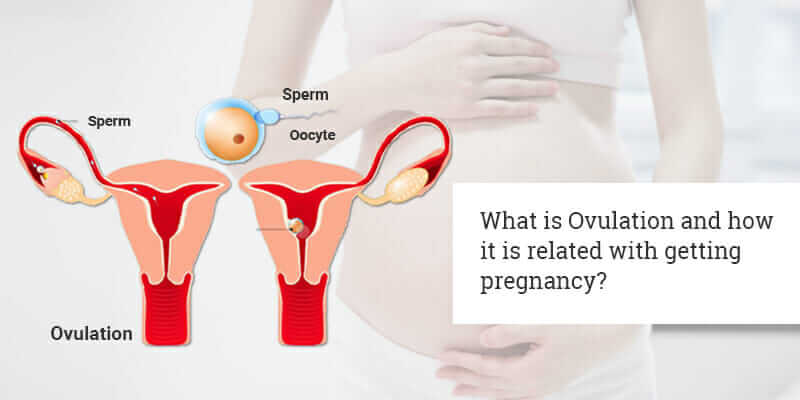
Ovulation is the release of a mature egg from one of the ovaries.
Each month, several follicles begin developing within the ovaries.
Usually, one follicle becomes dominant and produces a mature egg.
When ovulation occurs:
- The mature follicle ruptures
- The egg is released
- The egg enters the fallopian tube
- Fertilization becomes possible
If sperm meets the egg during this period, conception may occur.
If fertilization does not occur, the egg degenerates naturally.
How Ovulation Fits Into the Menstrual Cycle
The menstrual cycle is divided into several phases.
Follicular Phase
This phase begins on the first day of menstruation.
During this time:
- Follicles develop
- Estrogen levels rise
- The uterine lining begins rebuilding
Ovulation Phase
A surge in luteinizing hormone (LH) triggers release of the mature egg.
Luteal Phase
After ovulation:
- Progesterone levels increase
- The uterus prepares for implantation
- Pregnancy may occur if fertilization takes place
Menstruation
If pregnancy does not occur, hormone levels decline and menstruation begins.
Why Ovulation Is Essential for Pregnancy
Pregnancy requires three key events:
Egg Release
A healthy egg must be released.
Fertilization
A sperm must successfully fertilize the egg.
Implantation
The resulting embryo must implant within the uterus.
Ovulation represents the first and most essential step.
Without ovulation, natural pregnancy cannot occur.
What Happens During Ovulation?
The process is controlled by a complex hormonal system involving:
- FSH (Follicle Stimulating Hormone)
- LH (Luteinizing Hormone)
- Estrogen
- Progesterone
As the dominant follicle matures:
- Estrogen rises
- LH surges
- Ovulation occurs
- Progesterone production begins
This carefully coordinated sequence creates the ideal conditions for conception.
When Does Ovulation Occur?
Many women assume ovulation always occurs on Day 14.
This is a common misconception.
Ovulation timing varies significantly.
For example:
28-Day Cycle
Ovulation often occurs around Day 14.
30-Day Cycle
Ovulation may occur around Day 16.
35-Day Cycle
Ovulation may occur around Day 21.
Every woman is different.
This is why relying solely on calendar calculations can sometimes be misleading.
What Is the Fertile Window?
The fertile window refers to the days when pregnancy is most likely.
This includes:
- Approximately 5 days before ovulation
- Ovulation day itself
- Possibly the following day
Why?
Because:
- Sperm may survive several days inside the reproductive tract.
- The egg survives only about 12–24 hours after release.
Intercourse during the fertile window maximizes pregnancy chances.
Signs and Symptoms of Ovulation
Some women experience noticeable ovulation symptoms.
Others experience none.
Possible signs include:
Cervical Mucus Changes
Mucus may become:
- Clear
- Stretchy
- Egg-white in appearance
Mild Pelvic Pain
Some women experience temporary discomfort known as mittelschmerz.
Increased Libido
Hormonal changes may increase sexual desire.
Breast Tenderness
Hormonal fluctuations can influence breast sensitivity.
Basal Body Temperature Changes
Body temperature may rise slightly after ovulation.
How Ovulation Problems Affect Fertility
Ovulation disorders are among the leading causes of infertility.
If ovulation does not occur regularly, pregnancy becomes difficult or impossible.
Common ovulation disorders include:
PCOS
One of the most common causes of irregular ovulation.
Women with PCOS Treatment Options often experience irregular or absent ovulation.
Diminished Ovarian Reserve
Reduced ovarian reserve may affect ovulation quality and frequency.
Women can learn more about Low AMH and Ovarian Reserve.
Thyroid Disorders
Abnormal thyroid function may interfere with ovulation.
Hyperprolactinemia
Elevated prolactin levels may suppress ovulation.
Premature Ovarian Insufficiency
Early decline in ovarian function may result in ovulation failure.
How Is Ovulation Evaluated?
Fertility specialists use several methods to assess ovulation.
Menstrual History
Cycle regularity provides important clues.
Ovulation Tracking
Tracking helps identify fertile days.
Hormonal Testing
Blood tests may evaluate:
- FSH
- LH
- Progesterone
- AMH
- Thyroid hormones
Ultrasound Monitoring
Follicular tracking allows direct observation of follicle development and ovulation.
This is one of the most accurate methods available.
When Should You See a Fertility Specialist?
Women should consider evaluation if:
- Menstrual cycles are irregular.
- Ovulation appears absent.
- Pregnancy has not occurred despite regular attempts.
- PCOS is suspected.
- Age is over 35.
- Recurrent miscarriage has occurred.
Early assessment often improves treatment options and outcomes.
Patients seeking individualized fertility guidance can learn more about Dr. Pranay Shah and fertility services in Ahmedabad.
Treatment Options for Ovulation Problems
Treatment depends on the underlying cause.
Potential options include:
- Lifestyle modification
- Weight optimization
- Ovulation induction medications
- Thyroid treatment
- PCOS management
- Fertility treatment when required
For some patients, advanced fertility treatment such as IVF Treatment may eventually be recommended.
Natural Approaches to Support Healthy Ovulation
Many women can improve ovulatory function by addressing modifiable lifestyle factors.
Maintain a Healthy Body Weight
Both obesity and being significantly underweight can interfere with ovulation.
Achieving a healthy weight may help restore hormonal balance and improve menstrual regularity.
Follow a Fertility-Friendly Diet
A balanced diet rich in:
- Vegetables
- Fruits
- Lean protein
- Whole grains
- Healthy fats
supports overall reproductive health.
Women interested in fertility nutrition can also explore our Fertility Diet Guide [Internal Link: https://dev.wellspringivfsurrogacy.com/blog/fertility-diet-ivf-egg-quality/].
Exercise Regularly
Moderate exercise may help:
- Improve insulin sensitivity
- Support weight management
- Promote hormonal balance
Manage Stress
Chronic stress may influence reproductive hormone regulation.
Helpful strategies include:
- Yoga
- Meditation
- Walking
- Mindfulness practices
Prioritize Sleep
Adequate sleep supports normal hormonal function and reproductive health.
When IVF Is Needed
Many women with ovulation problems conceive successfully after appropriate treatment.
However, IVF may become necessary in certain situations.
Severe Ovulation Disorders
Some women fail to respond adequately to ovulation induction treatment.
Advanced Maternal Age
As age increases, fertility naturally declines and IVF may provide better success rates.
Low Ovarian Reserve
Women with Low AMH and Ovarian Reserve may require advanced fertility treatment.
Multiple Fertility Factors
Many couples have both male and female infertility factors.
Failed Previous Fertility Treatments
Patients who do not conceive despite ovulation induction or IUI may eventually benefit from IVF Treatment.
Clinical Insight From Dr. Pranay Shah
One of the most common assumptions patients make is that regular periods automatically mean normal fertility.
While regular cycles are reassuring, they do not always guarantee optimal ovulation.
Similarly, women with irregular cycles should not assume pregnancy is impossible.
In my clinical practice, many women with ovulation disorders successfully achieve pregnancy after proper diagnosis and individualized treatment.
The most important step is identifying the underlying cause of ovulatory dysfunction.
Whether the issue is PCOS, thyroid imbalance, diminished ovarian reserve, or another hormonal condition, treatment can often restore fertility potential.
Early evaluation is especially important because fertility declines with age, and timely intervention often provides the best outcomes.
Patients seeking personalized fertility care can learn more about Dr. Pranay Shah and fertility services in Ahmedabad.
Common Myths About Ovulation and Pregnancy
Myth 1: Ovulation Always Happens on Day 14
Reality:
Ovulation timing varies significantly between women and even between cycles.
Myth 2: Regular Periods Guarantee Fertility
Reality:
Regular periods do not always guarantee optimal ovulation or fertility.
Myth 3: You Can Get Pregnant Any Day of the Month
Reality:
Pregnancy is most likely during the fertile window surrounding ovulation.
Myth 4: Ovulation Symptoms Occur in Every Woman
Reality:
Many women ovulate normally without noticeable symptoms.
Myth 5: Irregular Cycles Mean Pregnancy Is Impossible
Reality:
Many women with irregular cycles achieve pregnancy with appropriate treatment.
Recent Research on Ovulation and Fertility
Recent fertility research has improved understanding of:
- Ovulation physiology
- Ovarian reserve
- Hormonal regulation
- Endometrial receptivity
- PCOS management
- Ovulation induction therapies
Modern fertility treatments continue to improve pregnancy outcomes for women experiencing ovulatory dysfunction.
Advances in ultrasound monitoring, hormonal testing, and individualized treatment protocols have significantly enhanced fertility care.
Frequently Asked Questions
What is ovulation?
Ovulation is the release of a mature egg from the ovary.
Why is ovulation important for pregnancy?
Without ovulation, there is no egg available for fertilization.
When does ovulation occur?
Ovulation typically occurs around the middle of the menstrual cycle but varies between women.
How long does the egg survive after ovulation?
The egg generally survives approximately 12–24 hours.
What is the fertile window?
The fertile window includes the days leading up to ovulation and the day of ovulation itself.
Can I ovulate without symptoms?
Yes. Many women ovulate normally without noticeable symptoms.
Does PCOS affect ovulation?
Yes. PCOS is one of the most common causes of ovulatory dysfunction.
Learn more about PCOS Treatment Options.
Can stress affect ovulation?
Chronic stress may influence hormonal regulation and reproductive health.
How is ovulation tested?
Evaluation may include blood tests, ultrasound monitoring, and menstrual history assessment.
What happens if I do not ovulate?
Natural pregnancy becomes difficult because no egg is available for fertilization.
Can ovulation problems be treated?
Many ovulation disorders respond well to medical treatment.
When should I see a fertility specialist?
If pregnancy has not occurred despite regular attempts or if cycles are irregular, fertility evaluation is recommended.
Key Takeaways
- Ovulation is the release of a mature egg from the ovary.
- Ovulation is essential for natural conception.
- Pregnancy requires ovulation, fertilization, and implantation.
- Ovulation timing varies between women.
- The fertile window is the best time to conceive.
- PCOS is a common cause of ovulation problems.
- Hormonal disorders may affect ovulation.
- Ovulation disorders are often treatable.
- Early fertility evaluation improves treatment opportunities.
- IVF may be beneficial when other treatments are unsuccessful.
Conclusion
Ovulation is one of the most important biological processes involved in achieving pregnancy. It represents the release of a mature egg and marks the period when fertilization becomes possible. Without ovulation, natural conception cannot occur.
Understanding ovulation helps couples identify fertile days, recognize potential fertility problems, and seek timely treatment when pregnancy is delayed. Fortunately, many ovulation disorders can be successfully diagnosed and treated through modern fertility medicine.
If you are experiencing irregular cycles, difficulty conceiving, or concerns about ovulation, early fertility evaluation can help identify the underlying cause and guide appropriate treatment.
For additional fertility education, visit our Female Infertility Hub, learn about IVF Treatment, browse our Fertility Videos, and explore our Blog Centre.
About Dr. Pranay Shah
Dr. Pranay Shah is the Director and Chief Fertility Consultant at Wellspring IVF & Women’s Hospital, Ahmedabad. With more than 15 years of experience and over 6000 IVF success stories, he specializes in reproductive endocrinology, IVF, PCOS management, low AMH, recurrent implantation failure, and complex infertility treatment.
Medical Disclaimer
This article is intended for educational and informational purposes only and should not be considered medical advice, diagnosis, or treatment. Fertility recommendations vary between individuals. Please consult a qualified fertility specialist for personalized evaluation and treatment guidance.