15+ Years Experience 6,000+ IVF Successes 70%+ Success Rate Book Free Consultation Today 15+ Years Experience 6,000+ IVF Successes 70%+ Success Rate Book Free Consultation Today
Advanced Male Fertility Treatment

Embryo Freezing & Cryopreservation in Ahmedabad

Vitrification | Flash Freezing Technology | ART Act 2021 Compliant Storage
When your IVF cycle produces more embryos than can be transferred in one attempt, those additional embryos carry real potential — potential that, with today's Vitrification technology, can be safely preserved for years without any meaningful loss in quality. At Wellspring IVF & Women's Hospital, Ahmedabad, we call this Stopping Time with 98% Precision.
✓ Medically reviewed by Dr. Pranay Shah, MS (ObGy)

Book an Appointment


    Your information is completely safe and confidential

    What Is Embryo Freezing? — The Science in Plain Language

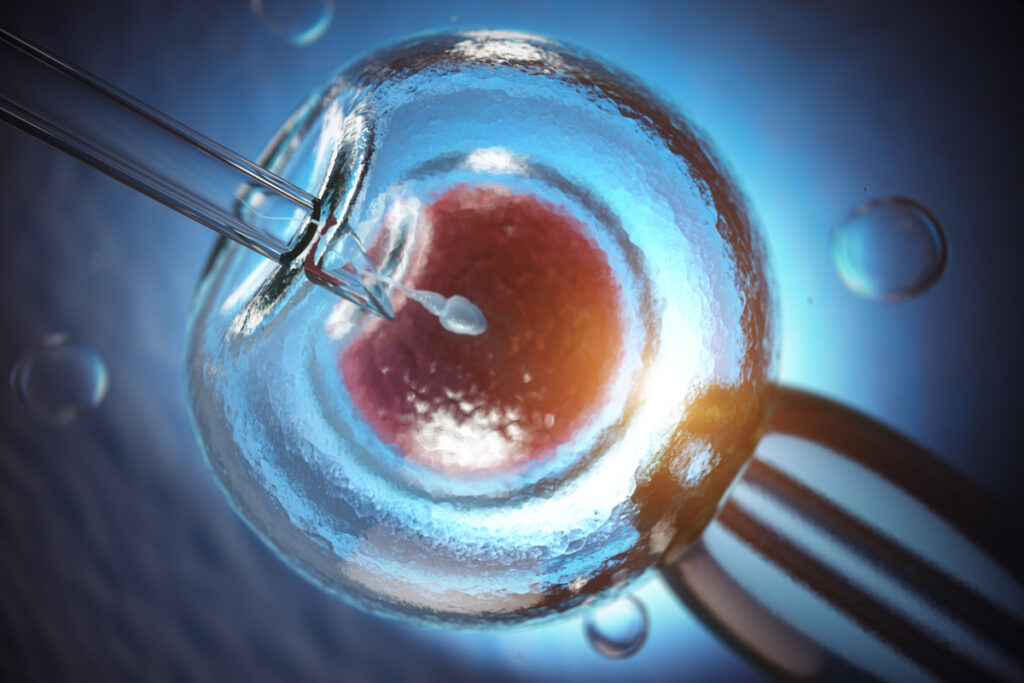
    During a standard IVF treatment cycle, the ovaries are stimulated to produce multiple eggs. After fertilisation using ICSI, multiple embryos typically develop in the laboratory. Most IVF protocols transfer one or two embryos into the uterus in a single cycle. The remaining healthy embryos — rather than being discarded — are cryopreserved (frozen) for future use.

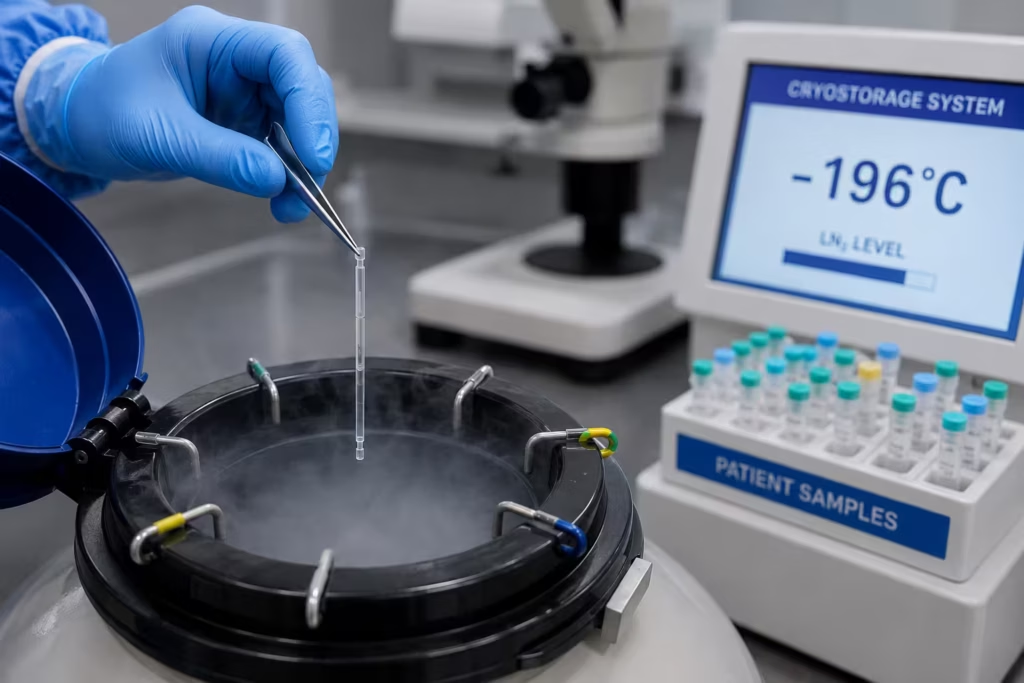
    Embryo freezing, also called embryo cryopreservation, is the process of reducing the embryo to an inert, glass-like state by removing its cellular water and replacing it with a cryoprotectant solution, then plunging it into liquid nitrogen at –196°C in under one second. In this state, all biological activity ceases. Time, for that embryo, effectively stops.
    Vitrification — Stopping Time with 98% Precision

    Not all embryo freezing is equal. The method of freezing determines how many embryos survive when thawed and whether their developmental potential is preserved. Wellspring IVF uses exclusively Vitrification — the gold standard technique endorsed by ESHRE (European Society of Human Reproduction and Embryology) and ASRM (American Society for Reproductive Medicine).

    How Vitrification Works — Step by Step

    1. Embryo Grading: Only morphologically viable embryos (Grades AA, AB, BA by Gardner scale) are selected for Vitrification. Poor-quality embryos are not frozen — this selection is intentional quality control.
    2. Dehydration & Cryoprotectant Loading: The embryo is transferred through a series of solutions that progressively replace intracellular water with a cryoprotectant (e.g. Ethylene Glycol + DMSO). This eliminates the water that would otherwise form ice crystals during freezing.
    3. Loading onto Vitrification Straw: The embryo is loaded onto a thin, open-pulled straw with minimal volume of solution. The smaller the volume, the faster the cooling rate — this is critical.
    4. Plunge into Liquid Nitrogen: The straw is plunged into liquid nitrogen at –196°C in under one second. At this cooling rate (>20,000°C/minute), the solution solidifies instantly into a glass-like amorphous state — no ice crystals form. This is the 'Vitri' in Vitrification — from the Latin for 'glass.'
    5. Sealed Storage: The straw is sealed, individually labelled with the patient's unique identifier, and stored in a monitored liquid nitrogen tank at a constant –196°C. Every tank at Wellspring is equipped with continuous temperature logging and alarm systems.
    The result: 98%+ embryo survival rate post-thaw. In comparison, the older slow-freeze technique produced 60–75% survival — meaning nearly 1 in 3 embryos was lost at thawing. Vitrification has made that loss statistically rare.

    Vitrification vs. Slow-Freeze — The Clinical Evidence

    Parameter Old Slow-Freeze Method Vitrification (Wellspring Standard)
    Cooling Rate 0.3–2°C per minute (gradual) >20,000°C per minute (ultra-rapid flash)
    Ice Crystal Formation Significant — primary cause of embryo damage Zero — glass-like amorphous state achieved
    Post-Thaw Embryo Survival 60–75% 95–99% (published clinical data)
    Developmental Potential After Thaw Reduced — ice damage to cell membranes Comparable to fresh embryos
    Blastocyst Freezing Suitability Poor — high attrition Excellent — Wellspring standard is Day-5 blastocyst freeze
    ESHRE/ASRM Recommendation No longer recommended Gold standard since 2012
    Available at Wellspring? No — fully phased out Yes — exclusive standard protocol

    Understanding IMSI Treatment

    Learn from our experts and get inspired by real patient journeys

    Fresh vs. Frozen Embryo Transfer: Which Has Higher Success?
    Fresh vs. Frozen Embryo Transfer: Which Has Higher Success?
    Fresh vs. Frozen Embryo Transfer: Which Has Higher Success?
    Fresh vs. Frozen Embryo Transfer: Which Has Higher Success?
    Browse All Videos

    Why Dr. Pranay Shah Recommends Embryo Freezing — 4 Clinical Strategies

    Embryo freezing at Wellspring is never a default afterthought. It is a deliberate part of the treatment strategy. Here are the four distinct clinical scenarios where Dr. Shah specifically plans for embryo cryopreservation:

    Strategy 1 | Surplus Embryo Preservation — Your Safety Net for IVF

    The most common reason for embryo freezing: you produced more high-quality embryos than were transferred in the fresh cycle. If your fresh embryo transfer results in a successful pregnancy, frozen embryos can be used for a second child years later — without any repeat stimulation, injections, or egg retrieval. If the fresh transfer does not succeed, frozen embryos give you additional attempts at a fraction of the full IVF cost.

    This is not ‘storing leftovers.’ It is building a biological insurance policy from the reproductive potential you already created.

    Strategy 2 | The Freeze-All Cycle — Preventing OHSS & Optimising Implantation

    In some IVF cycles, Dr. Shah makes the deliberate decision to freeze all embryos and transfer none in the fresh cycle. This is known as a Freeze-All strategy. It is not a complication — it is a planned medical decision made for one of these reasons:

    • OHSS Risk (Ovarian Hyperstimulation Syndrome): When ovarian response to stimulation is excessive, the body may not be in the ideal state for embryo implantation. Freezing all embryos allows the ovaries to fully recover (typically 4–6 weeks), then transfer is done in a calm, prepared uterus. This dramatically reduces the risk of severe OHSS.
    • Suboptimal Endometrium: If the uterine lining on retrieval day is not ideal (thin lining, progesterone rise, fluid), freezing embryos and scheduling a dedicated Frozen Embryo Transfer (FET) when the endometrium is optimally prepared improves implantation odds.
    • High Progesterone Rise: Late in stimulation, if blood progesterone rises prematurely, it can impair endometrial receptivity for a fresh transfer. A Freeze-All avoids transferring into a compromised window.

    Published evidence (NEJM, 2018) shows Freeze-All strategies result in equivalent or superior live birth rates compared to fresh transfers in high-responder patients. At Wellspring, this decision is made transparently with the patient before retrieval if risk factors are identified.

    Strategy 3 | Embryo Freezing for PGT-A / Genetic Testing

    Preimplantation Genetic Testing for Aneuploidies (PGT-A / PGS) requires a biopsy of the embryo (typically at blastocyst stage on Day 5), which is then sent to a specialist genetics laboratory. The results take 7–14 days. Since a fresh transfer cannot wait that long, all biopsied embryos must be vitrified immediately after the biopsy.

    After genetic results are received, only chromosomally normal (euploid) embryos are selected for transfer in a dedicated FET cycle. This combination — PGT-A + Vitrification + FET — is the highest-evidence protocol for reducing miscarriage rates in recurrent IVF failure and advanced maternal age patients.

    Read more about our PGS / PGD Genetic Testing service at Wellspring.

    Strategy 4 | Embryo Banking for a Future Second Child

    For couples who successfully achieve pregnancy on their first IVF attempt, frozen surplus embryos represent a unique opportunity: the chance to give that child a biological sibling years later, without enduring the physical and emotional cost of another complete IVF cycle. The embryos were created when you were younger — their biological age is permanently fixed at the moment of Vitrification.

    Many of our patients return 3–5 years after their first child’s birth for a Frozen Embryo Transfer using their stored embryos. The success rates are often comparable to their original fresh transfer success, because the embryo quality was set at the time of freezing.

    The Embryo Freezing Process at Wellspring IVF — What Happens in Our Lab

    Every embryo frozen at Wellspring follows a strictly controlled, documented protocol. Here is what happens from the moment of egg retrieval to the final secure storage of your frozen embryos:

    Stage What Happens Timing
    Egg Retrieval (OPU) Eggs collected under sedation. Transferred to embryology lab within minutes. Day 0 (Retrieval Day)
    Fertilisation via ICSI [object Object] — each mature egg individually injected with a single selected sperm. Day 0 (same day)
    Fertilisation Check 14–16 hours post-ICSI, embryologist confirms fertilisation (2PN stage). Failed fertilisation embryos excluded. Day 1
    Cleavage Stage Culture Embryos cultured in time-lapse incubators. Cell division monitored without disturbing the embryo. Days 2–3
    Blastocyst Development [object Object] — embryos grown to Day 5/6 blastocyst. Only fully expanded blastocysts are graded and selected for freezing. Days 5–6
    Embryo Grading & Selection Gardner grading system applied. Only Grade AA, AB, BA blastocysts are frozen. Poor quality embryos are not vitrified. Day 5–6
    PGT-A Biopsy (if planned) Trophectoderm cells biopsied from each blastocyst. Sample sent to genetics lab. Embryo immediately vitrified. Day 5–6 (if applicable)
    Vitrification Cryoprotectant loading, loading onto straw, plunge into liquid nitrogen at –196°C in <1 second. Day 5–6
    Cryo-Storage Sealed, labelled vitrification straws stored in dedicated liquid nitrogen tanks. Temperature logged continuously. Day 5–6 onwards

    Why Wellspring Freezes at Blastocyst Stage (Day 5) — Not Day 3

    Earlier IVF protocols routinely froze embryos at the 8-cell stage on Day 3. Wellspring’s current standard is to culture all embryos to the blastocyst stage (Day 5) before freezing — whenever the embryo develops that far. Here is why:

    • Natural Selection: Only 40–60% of Day-3 embryos reach blastocyst. This natural attrition means that embryos that do reach blastocyst have already proven their developmental competence in the lab.
    • Better Implantation Rates: Blastocyst transfers consistently show higher implantation rates than Day-3 cleavage stage transfers (published data: 40–50% vs 25–35%).
    • Fewer Transfers Needed: Selecting the strongest embryo at blastocyst reduces the number of transfer attempts needed to achieve pregnancy.

    Read our full page on Blastocyst Culture & Embryo Development for the complete clinical detail.

    Embryo Storage Rules in India — ART (Regulation) Act 2021

    India’s Assisted Reproductive Technology (Regulation) Act, 2021 establishes the legal framework for embryo storage, consent, and disposal at registered ART clinics. Wellspring IVF is a registered ART clinic operating in full compliance with this Act. Here is what every patient needs to know:

    Rule / Provision What It Means for You
    Maximum Storage Duration Embryos can be stored for up to 10 years from the date of cryopreservation. After 10 years, written consent must be renewed to continue storage beyond this period.
    Consent Requirement Both partners (in a couple) must provide written, informed consent before embryos are frozen, stored, or discarded. Consent forms are reviewed and signed before the IVF cycle begins.
    Annual Renewal Storage must be actively renewed on an annual basis. Wellspring contacts all couples with stored embryos for annual consent confirmation and storage fee payment.
    Embryo Ownership Embryos are the joint legal property of the couple who created them. In the event of separation, divorce, or death, legal provisions of the ART Act apply. Patients are advised to plan ahead in their consent documentation.
    Disposal / Discontinuation If a couple decides not to use or continue storing their embryos, they may consent to discontinuation of storage. Embryos are then disposed of according to the ART Act protocol. No embryos are discarded without explicit patient consent.
    ART Bank — Donation If patients wish to donate surplus embryos to another couple, this must be conducted through a registered ART Bank in compliance with voluntary donation rules under the ART Act. Wellspring does not operate this service directly; we refer to registered ART Banks as required.
    Clinic Registration Wellspring IVF & Women’s Hospital is a registered ART clinic under the National Registry of Banks and Clinics of India (NRBCI), as required by the ART Act 2021.

    A Note from Dr. Pranay Shah on Storage Consent:

    “We discuss embryo storage consent in detail before every IVF cycle — not after. Patients need to understand their options for surplus embryos before we begin, because the decisions made at that point affect what happens years down the line. There are no difficult decisions if you have already thought them through calmly, before the cycle begins.”

    ★★★★★ 4.9/5.0

    What Our Patients Say

    Real stories from real families who trusted us with their fertility journey
    500+ Google Reviews  •  Verified Patient Testimonials

    Join 500+ Satisfied Families

    Read all our verified Google reviews or share your own experience

    Embryo Survival Rates & FET Success — What the Evidence Shows

    The question patients ask most: ‘What are the chances that my frozen embryo will survive and result in a pregnancy?’ Here is an honest, evidence-based answer:

    Stage Rate (Vitrification) What This Means
    Post-Thaw Embryo Survival 95–99% Nearly every Vitrified embryo survives the thaw. Ice-crystal damage is eliminated by Vitrification.
    Post-Thaw Re-expansion (Blastocysts) 90–95% Blastocysts that survive the thaw typically re-expand within 1–2 hours, confirming viability for transfer.
    Implantation Rate per FET (all ages) 40–55% Each individual blastocyst transfer has approximately this chance of implanting in a prepared uterus.
    Clinical Pregnancy Rate per FET Cycle 50–60% A clinical pregnancy (heartbeat confirmed at 6–7 weeks) is achieved in this proportion of FET cycles.
    Live Birth Rate per FET (under 35) 45–55% The final outcome that matters — a baby born healthy. Age at time of freezing is the primary variable.
    Live Birth Rate per FET (35–40) 35–45% Success rates remain significant — and importantly, embryo biological age is fixed at the time of freezing.

    Why FET Success Rates Often Exceed Fresh Transfer Rates

    A counterintuitive but well-documented finding in IVF research: Frozen Embryo Transfers frequently achieve equal or higher success rates than fresh transfers in the same patients. The reason: in a fresh transfer, the uterus has been through a stimulation cycle. Elevated estrogen and progesterone levels during stimulation can create a sub-optimal implantation environment. A dedicated FET cycle allows the endometrium to be prepared separately, in its most receptive state, without the interference of stimulation medications.

    Read about our full Frozen Embryo Transfer (FET) treatment protocol at Wellspring.

    Embryo Freezing Cost in Ahmedabad — Transparent Pricing at Wellspring

    At Wellspring IVF, embryo freezing is not a separate ‘add-on surprise.’ In most IVF cycles where surplus embryos are available, the decision to freeze is made as part of the planned cycle. Here is a transparent breakdown of the costs involved:

    Component What It Covers Approximate Cost (INR)
    Embryo Vitrification (per embryo batch) Embryologist time, cryoprotectant preparation, loading onto straws, plunge into liquid nitrogen ₹15,000 – ₹25,000 (per freeze session)
    Blastocyst Culture (if not already in IVF package) Extended culture to Day 5/6 to reach blastocyst before freezing ₹10,000 – ₹20,000
    First Year Cryo-Storage Storage of frozen embryos in monitored liquid nitrogen tank — all labelled straws ₹10,000 – ₹15,000 per year
    Annual Storage (subsequent years) Maintenance, monitoring, consent renewal ₹8,000 – ₹12,000 per year
    Frozen Embryo Transfer (FET) Cycle Separate procedure — uterine preparation, embryo thaw, transfer, monitoring. Full detail on FET page. ₹30,000 – ₹60,000 (FET cycle only)
    PGT-A Biopsy + Genetic Testing (if applicable) Embryo biopsy, shipping to genetics lab, chromosomal analysis ₹40,000 – ₹80,000 additional

    The Real Cost Advantage of Frozen Embryo Transfers

    The most significant financial benefit of embryo freezing is what it avoids on a subsequent attempt. A complete fresh IVF cycle costs ₹1,00,000 – ₹2,50,000 including medications. A Frozen Embryo Transfer (FET) using already-frozen embryos costs approximately ₹30,000 – ₹60,000 — a fraction of the total — because the stimulation phase (and its associated medication costs) is entirely eliminated.

    For couples who require multiple IVF attempts, banking embryos from the first cycle is almost always the most cost-effective long-term strategy.

    Plan Your Parenthood with Embryo Freezing

    Preserve healthy embryos today for use at the right time in the future. Understand how cryopreservation helps improve flexibility in your IVF journey. Get expert evaluation to decide if embryo freezing suits your fertility goals. Consult Dr. Pranay Shah for personalized guidance and future planning.
    Why Wellspring

    Why Choose Wellspring IVF for Embryo Cryopreservation in Ahmedabad?

    The quality of embryo cryopreservation is determined almost entirely by the experience of the embryology team, the calibration of the equipment, and the rigor of the quality control protocols. Choosing the right lab is not a branding decision — it is a medical one.

    Dedicated Vitrification Lab

    Our embryology lab maintains ISO Class 5 air quality standards. Temperature, humidity, CO2, and O2 levels are continuously monitored. Every variable affecting embryo viability is controlled — not just approximately, but precisely.

    In-House Senior Embryologists

    Vitrification is performed by Wellspring’s resident senior embryologists — not junior staff, not outsourced technicians. The same hands that culture your embryos to blastocyst perform the Vitrification. Chain of custody is absolute.

    24/7 Monitored Cryo-Storage

    Our liquid nitrogen storage tanks are monitored 24 hours a day, 7 days a week with automated alarm systems. Temperature deviation triggers immediate staff alerts. Redundant backup systems ensure continuity of storage.

    ART Act 2021 Compliant

    Full compliance with India’s ART Regulation Act 2021. All consent forms, storage documentation, and annual renewal processes follow the mandated legal framework. No ambiguity.

    15+ Years of Clinical Judgment

    Dr. Pranay Shah’s 15+ years of reproductive medicine means Freeze-All, PGT-A, and surplus embryo decisions are made with clinical nuance — not according to a checklist. Every decision is personalised.

    750+ Verified 5-Star Reviews

    Wellspring’s Google rating reflects the patient experience across every stage of treatment — including the lab and embryology team quality. Read verified patient reviews before you decide.

    Frequently Asked Questions

    Common questions about vitrification, freeze-all cycles, embryo storage laws, survival after thaw, and future frozen embryo transfer planning.
    Ask a Question
    Complete Information Map

    Explore Related Treatments at Wellspring IVF

    Embryo freezing does not exist in isolation — it is part of a connected treatment journey. These pages are the most directly related:

    Related Insights & Articles

    Start Your Parenthood Journey Today

    Expert care, proven results, and compassionate support every step of the way
    Book Consultation
    Wellspring IVF & Women's Hospital
    Ahmedabad, Gujarat