Can You Get Pregnant With Endometriosis?
Direct Answer
Yes, many women with endometriosis can and do become pregnant naturally. However, endometriosis can reduce fertility by affecting egg quality, ovarian reserve, fallopian tube function, pelvic anatomy, fertilization, and embryo implantation. The impact varies significantly depending on the severity of the disease, the woman’s age, ovarian reserve, and the presence of other fertility factors. Fortunately, many women with endometriosis successfully achieve pregnancy naturally, through fertility treatments, or with IVF.
Key Facts Table
| Topic | Information |
|---|---|
| Condition | Endometriosis |
| Affects Fertility | Yes |
| Natural Pregnancy Possible | Yes |
| Common Fertility Issue | Delayed Conception |
| Severity Matters | Yes |
| Diagnosis | Ultrasound, Laparoscopy |
| IVF May Help | Yes |
| Pregnancy Guaranteed | No |
| Early Evaluation Recommended | Yes |
| Specialist Treatment Available | Yes |
Introduction
One of the most common concerns women have after being diagnosed with endometriosis is:
“Will I ever be able to get pregnant?”
This concern is completely understandable.
Endometriosis is one of the most common gynecological conditions affecting women of reproductive age and is frequently associated with fertility challenges. Many women first discover they have endometriosis during investigations for infertility.
However, an endometriosis diagnosis does not mean pregnancy is impossible.
In fact, many women with endometriosis successfully conceive naturally and deliver healthy babies. Others may require fertility treatment, while some benefit significantly from IVF.
The key is understanding how endometriosis affects fertility and determining the most appropriate treatment strategy based on individual circumstances.
At Wellspring IVF & Women’s Hospital, Ahmedabad, we routinely manage women with mild, moderate, and severe endometriosis and help them achieve successful pregnancies through individualized fertility care.
Women seeking additional fertility information can explore our Female Infertility Hub for comprehensive fertility resources.
What Is Endometriosis?
Endometriosis is a condition in which tissue similar to the lining of the uterus grows outside the uterus.
These growths may occur on:
- Ovaries
- Fallopian tubes
- Pelvic lining
- Uterus surface
- Bladder
- Bowel
- Other pelvic structures
Like the uterine lining, these tissues respond to hormonal changes during the menstrual cycle.
This can lead to:
- Inflammation
- Scar tissue formation
- Adhesions
- Pain
- Fertility problems
Endometriosis affects millions of women worldwide and is a significant cause of infertility.
For a detailed overview, see our guide on Endometriosis and Fertility.
How Common Is Infertility in Women With Endometriosis?
Not every woman with endometriosis experiences infertility.
However, fertility challenges are more common among women with the condition.
Research suggests:
- Many women with mild endometriosis conceive naturally.
- Moderate and severe disease may have a greater impact on fertility.
- Endometriosis is found in a significant proportion of women undergoing infertility evaluation.
Importantly, the severity of symptoms does not always predict the severity of fertility impairment.
Some women with severe pain conceive easily.
Others with minimal symptoms may struggle with infertility.
Why Does Endometriosis Affect Fertility?
Endometriosis may affect fertility through several mechanisms.
Distortion of Pelvic Anatomy
Scar tissue and adhesions may alter normal reproductive anatomy.
This can affect:
- Egg release
- Egg pickup by the fallopian tube
- Fertilization
Damage to the Ovaries
Endometriosis can form ovarian cysts known as endometriomas.
Large endometriomas may affect ovarian function and ovarian reserve.
Inflammation
Chronic pelvic inflammation may negatively affect:
- Eggs
- Sperm
- Fertilization
- Embryo development
Fallopian Tube Dysfunction
Adhesions may interfere with normal tubal function.
Implantation Challenges
Some studies suggest endometriosis may affect the uterine environment and embryo implantation.
Reduced Ovarian Reserve
In some women, ovarian reserve may decline more rapidly due to endometriosis or previous ovarian surgery.
Can You Still Get Pregnant Naturally With Endometriosis?
Yes.
Many women with endometriosis achieve natural pregnancy.
The likelihood depends on:
- Age
- Disease severity
- Ovarian reserve
- Tubal function
- Partner fertility factors
- Duration of infertility
Women with mild disease often conceive naturally.
However, if pregnancy does not occur within an appropriate timeframe, fertility evaluation should be considered.
Signs and Symptoms of Endometriosis
Symptoms vary widely.
Common symptoms include:
Painful Periods
Often more severe than typical menstrual discomfort.
Pelvic Pain
Pain may occur throughout the menstrual cycle.
Pain During Intercourse
Deep pelvic pain is common.
Pain During Bowel Movements
Particularly around menstruation.
Heavy Menstrual Bleeding
Some women experience heavier periods.
Difficulty Conceiving
Infertility may be the first sign of endometriosis.
Interestingly, some women have extensive endometriosis with minimal symptoms.
How Is Endometriosis Diagnosed?
Medical History
Symptoms often provide important clues.
Pelvic Examination
Physical examination may identify pelvic tenderness or abnormalities.
Ultrasound
Ultrasound may detect:
- Endometriomas
- Ovarian cysts
- Pelvic abnormalities
MRI
MRI may be useful in selected complex cases.
Laparoscopy
Laparoscopy remains the most definitive method for diagnosing endometriosis.
It allows direct visualization of endometriotic lesions and pelvic adhesions.
When Should You See a Fertility Specialist?
Women with endometriosis should consider fertility evaluation if:
- Pregnancy has not occurred after trying to conceive.
- They are over 35 years of age.
- They have severe endometriosis.
- They have ovarian endometriomas.
- They have undergone previous pelvic surgery.
- They have experienced failed fertility treatments.
Early fertility assessment often provides more reproductive options.
Women interested in individualized fertility guidance can learn more about Dr. Pranay Shah and our fertility services in Ahmedabad.
Treatment Options for Endometriosis-Related Infertility
Treatment depends on:
- Age
- Disease severity
- Ovarian reserve
- Fertility goals
- Previous treatments
Options may include:
- Expectant management
- Ovulation monitoring
- Fertility medications
- IUI
- IVF
- Surgical treatment in selected patients
Patients can learn more about available fertility options through our Fertility Treatment Hub.
Natural Approaches That May Support Fertility in Women With Endometriosis
Many women search for natural ways to improve fertility after receiving an endometriosis diagnosis.
While natural approaches cannot eliminate moderate or severe endometriosis, certain lifestyle measures may support overall reproductive health.
Maintain a Healthy Weight
Healthy body weight may help optimize:
- Hormonal balance
- Ovulation
- Metabolic health
- Fertility outcomes
Anti-Inflammatory Nutrition
Endometriosis is associated with chronic inflammation.
Many fertility specialists recommend a diet emphasizing:
- Fruits
- Vegetables
- Whole grains
- Omega-3 fatty acids
- Nuts and seeds
- Lean proteins
Limiting highly processed foods may also be beneficial.
Regular Physical Activity
Moderate exercise may:
- Improve circulation
- Support hormonal balance
- Reduce stress
- Improve overall wellbeing
Stress Management
Infertility and chronic pelvic pain can be emotionally challenging.
Helpful approaches may include:
- Yoga
- Meditation
- Counseling
- Mindfulness
- Support groups
Avoid Smoking
Smoking may negatively affect both fertility and reproductive health.
Women trying to conceive should avoid tobacco exposure whenever possible.
When Is IVF Needed for Endometriosis?
Many women with endometriosis conceive naturally.
However, IVF may be recommended in specific situations.
Severe Endometriosis
Advanced disease may significantly impair fertility.
Blocked Fallopian Tubes
Tubal damage caused by adhesions may prevent natural conception.
Reduced Ovarian Reserve
Some women experience diminished ovarian reserve due to endometriosis or previous ovarian surgery.
Failed IUI Cycles
When simpler fertility treatments have been unsuccessful.
Advanced Maternal Age
Time becomes increasingly important as age advances.
Male Factor Infertility
Combined fertility factors often favor IVF treatment.
Women considering treatment should learn more about IVF Treatment and how IVF can bypass several fertility barriers associated with endometriosis.
How IVF Helps Women With Endometriosis
IVF can overcome several fertility challenges associated with endometriosis.
Advantages include:
- Bypassing tubal dysfunction
- Improving fertilization opportunities
- Allowing embryo selection
- Reducing dependence on natural egg pickup by fallopian tubes
- Maximizing pregnancy chances in selected patients
For many women with moderate to severe endometriosis, IVF offers the highest probability of pregnancy.
Endometriosis and IVF Success Rates
Patients frequently ask:
“Can IVF work if I have endometriosis?”
The answer is yes.
Many women with endometriosis achieve successful pregnancies through IVF.
Success depends on:
- Age
- Ovarian reserve
- Severity of endometriosis
- Embryo quality
- Uterine health
- Sperm quality
- Previous fertility history
The most important message is that an endometriosis diagnosis does not automatically prevent successful IVF treatment.
Does Surgery Improve Fertility?
The role of surgery depends on individual circumstances.
Surgery may be considered when:
- Significant pain exists
- Large endometriomas are present
- Pelvic anatomy is severely distorted
- Diagnostic clarification is needed
However, surgery is not automatically beneficial for every woman seeking pregnancy.
Repeated ovarian surgery may sometimes reduce ovarian reserve.
Therefore, treatment decisions should always be individualized.
Clinical Insight From Dr. Pranay Shah
One of the most common misconceptions I encounter is that endometriosis automatically means infertility.
This is simply not true.
Over the years, I have treated many women with mild, moderate, and severe endometriosis who successfully became mothers.
Some conceived naturally.
Some required fertility medications.
Others achieved pregnancy through IVF.
The key is identifying how endometriosis is affecting fertility in a particular patient.
For some women, the primary issue may be ovarian reserve.
For others, it may be tubal damage, inflammation, or age-related fertility decline.
Rather than focusing solely on the diagnosis itself, I encourage patients to focus on developing a personalized fertility strategy based on their age, reproductive goals, ovarian reserve, and overall fertility profile.
Women seeking individualized fertility care can learn more about Dr. Pranay Shah and our fertility services in Ahmedabad.
Common Myths About Endometriosis and Pregnancy
Myth 1: Women With Endometriosis Cannot Get Pregnant
Reality:
Many women with endometriosis conceive naturally and deliver healthy babies.
Myth 2: Severe Pain Always Means Severe Infertility
Reality:
Pain severity does not always correlate with fertility impairment.
Myth 3: IVF Never Works for Endometriosis
Reality:
Many women with endometriosis achieve successful pregnancies through IVF.
Myth 4: Surgery Is Always Required
Reality:
Treatment should be individualized. Not every patient benefits from surgery.
Myth 5: Pregnancy Cures Endometriosis
Reality:
Pregnancy may temporarily improve symptoms but does not permanently cure the condition.
Recent Research on Endometriosis and Fertility
Recent fertility research has improved our understanding of endometriosis.
Key findings include:
- Endometriosis affects fertility through multiple mechanisms.
- Early fertility assessment improves treatment planning.
- IVF remains highly effective for many women with moderate to severe disease.
- Ovarian reserve assessment is important in treatment planning.
- Endometriosis may affect egg quality, embryo development, and implantation.
- Personalized fertility treatment improves outcomes.
Frequently Asked Questions
Can you get pregnant naturally with endometriosis?
Yes. Many women with endometriosis conceive naturally, especially when the disease is mild and ovarian reserve remains good.
Does endometriosis always cause infertility?
No. Many women with endometriosis never experience fertility problems.
What stage of endometriosis causes infertility?
Fertility challenges may occur at any stage, although moderate and severe disease often have a greater impact.
Can IVF help women with endometriosis?
Yes. IVF is one of the most effective fertility treatments for women with endometriosis-related infertility.
Can endometriosis affect egg quality?
Research suggests that endometriosis may affect egg quality in some women.
Should endometriosis be removed before IVF?
Not always. The decision depends on age, ovarian reserve, symptoms, and disease severity.
Can endometriomas reduce fertility?
Large ovarian endometriomas may affect ovarian reserve and fertility.
Is laparoscopy necessary for diagnosis?
Not always. Many cases can be suspected through symptoms and imaging, although laparoscopy remains the definitive diagnostic method.
Can pregnancy cure endometriosis?
No. Pregnancy may temporarily improve symptoms but does not eliminate the disease.
Does age matter if I have endometriosis?
Yes. Age remains one of the strongest predictors of fertility potential.
Can IUI work with endometriosis?
IUI may be appropriate in selected cases of mild disease.
Does endometriosis increase miscarriage risk?
Some studies suggest a modest increase in miscarriage risk.
How do I know if endometriosis is affecting my fertility?
A comprehensive fertility evaluation can help determine its impact.
When should I see a fertility specialist?
Women experiencing delayed conception or known endometriosis should seek early evaluation.
Where can I learn more about fertility treatment options?
Visit our Female Infertility Hub, explore IVF Treatment, browse our Fertility Videos, or read additional resources in our Blog Centre.
Key Takeaways
- Many women with endometriosis successfully become pregnant.
- Endometriosis may affect fertility through inflammation, adhesions, ovarian reserve reduction, and tubal dysfunction.
- Fertility impact varies significantly between individuals.
- Mild disease often allows natural conception.
- IVF remains highly effective for many women with endometriosis-related infertility.
- Early fertility assessment improves treatment planning.
- Treatment should always be individualized.
- Endometriosis does not automatically mean infertility.
Conclusion
A diagnosis of endometriosis can feel overwhelming, especially for women hoping to start or expand their family. However, it is important to remember that many women with endometriosis achieve successful pregnancies naturally or through fertility treatment.
The impact of endometriosis on fertility depends on multiple factors, including age, ovarian reserve, disease severity, tubal function, and overall reproductive health. Because every patient’s situation is unique, individualized fertility evaluation and treatment planning are essential.
Whether the most appropriate approach involves natural conception, fertility medications, IUI, IVF, or surgical management, early assessment often provides the greatest range of options and the best opportunity for success.
For additional fertility education, visit our Female Infertility Hub, browse our Fertility Videos, or explore our latest fertility resources in the Blog Centre.
About Dr. Pranay Shah
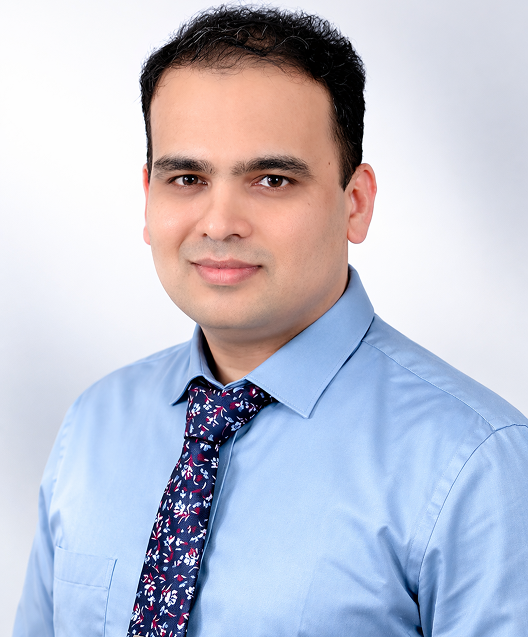
Dr. Pranay Shah is the Director and Chief Fertility Consultant at Wellspring IVF & Women’s Hospital, Ahmedabad. With more than 15 years of experience and over 6000 IVF success stories, he specializes in IVF, endometriosis, low AMH, recurrent IVF failure, fertility preservation, and complex infertility management.
Medical Disclaimer
This article is intended for educational and informational purposes only and should not be considered medical advice, diagnosis, or treatment. Fertility recommendations vary between individuals. Please consult a qualified fertility specialist for personalized evaluation and treatment guidance.