
How to Increase IVF Success Rates in Low AMH Patients
Direct Answer
Low AMH does not automatically mean IVF will fail. While women with low AMH often produce fewer eggs during IVF stimulation, many still achieve successful pregnancies. The most effective strategies for improving IVF success include individualized stimulation protocols, optimizing egg quality, careful embryo selection, blastocyst culture, addressing uterine factors, considering PGT-A in selected patients, and seeking treatment before ovarian reserve declines further. Age, embryo quality, and chromosomal health are often more important predictors of success than the AMH value alone.
Key Facts Table
| Topic | Information |
|---|---|
| Condition | Low AMH |
| Indicates | Reduced Ovarian Reserve |
| IVF Still Possible | Yes |
| Pregnancy Possible | Yes |
| Most Important Factor | Age + Egg Quality |
| Eggs Retrieved | Often Fewer |
| Embryo Quality Matters | Yes |
| Individualized IVF Needed | Yes |
| PGT-A May Help Some Patients | Yes |
| Early Treatment Recommended | Yes |
Introduction
Receiving a low AMH report can be one of the most stressful moments in a fertility journey.
Many women immediately assume:
- IVF will not work.
- Pregnancy is unlikely.
- Their chances are extremely poor.
- Donor eggs are the only option.
Fortunately, these assumptions are often incorrect.
Over the years, I have treated many women with low AMH who successfully became pregnant through IVF. Some had AMH values that would traditionally be considered very low, yet still achieved successful pregnancies.
The key is understanding what AMH actually measures and what it does not.
AMH helps estimate ovarian reserve.
It does not directly measure:
- Egg quality
- Implantation potential
- Embryo quality
- Pregnancy potential
This distinction is critical.
Many women with low AMH produce fewer eggs but still create healthy embryos capable of resulting in pregnancy.
Patients who would like a broader understanding of fertility treatment can review our comprehensive guide to IVF Treatment.
What Is Low AMH?
AMH (Anti-Müllerian Hormone) is produced by small follicles within the ovaries.
It provides information about ovarian reserve.
In simple terms:
AMH estimates how many eggs may remain in the ovaries.
Lower AMH levels generally indicate fewer remaining follicles.
However, AMH does not determine:
- Whether pregnancy is possible
- Whether IVF will succeed
- Whether eggs are healthy
Many women with low AMH continue to ovulate and achieve pregnancy.
Why Does Low AMH Affect IVF?
Low AMH primarily affects the number of eggs that may be obtained during stimulation.
Women with diminished ovarian reserve often:
- Produce fewer follicles
- Retrieve fewer eggs
- Create fewer embryos
This can reduce the number of opportunities available during treatment.
However, IVF success depends on more than quantity alone.
A smaller number of high-quality embryos may still result in successful pregnancy.
Does Low AMH Mean IVF Will Fail?
No.
This is one of the most important messages fertility patients should understand.
Low AMH does not automatically predict IVF failure.
Many successful IVF pregnancies occur in women with:
- AMH below 1.0 ng/mL
- AMH below 0.5 ng/mL
- Even very low ovarian reserve
The most important factors often include:
- Female age
- Egg quality
- Embryo quality
- Chromosomal health
- Uterine receptivity
Who Is This Article Most Relevant For?
This information is particularly useful for:
- Women with low AMH
- Women with diminished ovarian reserve
- Women over 35 years of age
- Women considering IVF
- Patients with previous IVF failure
- Women considering fertility preservation
Understanding the Difference Between Egg Quantity and Egg Quality
One of the most common misunderstandings in fertility medicine is assuming that ovarian reserve and egg quality are the same.
They are not.
Egg Quantity
AMH primarily reflects the number of eggs remaining.
Egg Quality
Egg quality is influenced largely by age and genetics.
For example:
A 30-year-old woman with low AMH may still have relatively good-quality eggs.
A 42-year-old woman with normal AMH may still have age-related egg quality decline.
This is why AMH alone should never be used to predict IVF success.
How IVF Success Is Measured in Low AMH Patients
Success may be evaluated at several stages:
Ovarian Response
How many follicles develop?
Eggs Retrieved
How many eggs are collected?
Fertilization Rate
How many eggs fertilize?
Blastocyst Development
How many embryos reach the blastocyst stage?
Learn more about Blastocyst Culture of Embryos and why blastocyst development is important in IVF.
Implantation
Does the embryo implant successfully?
Ongoing Pregnancy
Does the pregnancy continue normally?
Each stage contributes to overall success.
Step-by-Step Strategies to Improve IVF Success in Low AMH
Early Treatment Is Often Beneficial
One of the biggest mistakes many women make is waiting too long after discovering low AMH.
Because ovarian reserve typically declines over time, earlier intervention often provides more options.
Individualized IVF Protocols
There is no universal IVF protocol that works for every low AMH patient.
Treatment may be individualized based on:
- Age
- Ovarian reserve
- Previous response
- Hormonal profile
Optimize Ovarian Response
The goal is not necessarily retrieving the highest number of eggs.
The goal is obtaining the highest number of good-quality eggs possible.
Address Correctable Medical Factors
Conditions such as:
- Thyroid disorders
- Vitamin deficiencies
- Endometriosis
- Metabolic abnormalities
should be addressed before IVF.
Role of Fertility Supplements
Patients often ask whether supplements can improve IVF outcomes.
Commonly discussed supplements include:
- CoQ10
- Vitamin D
- DHEA (selected patients)
- Omega-3 fatty acids
- Antioxidants
Although supplements cannot reverse ovarian aging, selected patients may benefit from individualized supplementation plans under medical supervision.
Importance of Lifestyle Optimization
Lifestyle habits can influence reproductive health.
Helpful strategies include:
- Maintaining healthy body weight
- Regular exercise
- Smoking cessation
- Limiting alcohol
- Improving sleep quality
- Stress management
These measures support overall reproductive health and may contribute to better treatment outcomes.
Why Embryo Quality Matters More Than Egg Numbers
Patients often become discouraged when only a small number of eggs are retrieved.
However, embryo quality is usually more important than egg quantity.
A single healthy embryo can result in a successful pregnancy.
The goal is not maximizing egg numbers at all costs.
The goal is producing viable embryos capable of implantation.
Should Low AMH Patients Consider PGT-A?
One of the most common questions patients ask is whether PGT-A Testing can improve IVF outcomes when AMH is low.
The answer depends on individual circumstances.
PGT-A evaluates embryo chromosomes and may help identify embryos with normal chromosomal content.
Potential benefits in selected patients include:
- Better embryo selection
- Reduced transfer of chromosomally abnormal embryos
- Reduced miscarriage risk in selected cases
- More informed embryo transfer decisions
However, PGT-A is not appropriate for every low AMH patient because some women may produce only a limited number of embryos available for testing.
The decision should always be individualized.
Role of ICSI and IMSI in Low AMH Patients
When only a small number of eggs are available, maximizing fertilization becomes particularly important.
ICSI
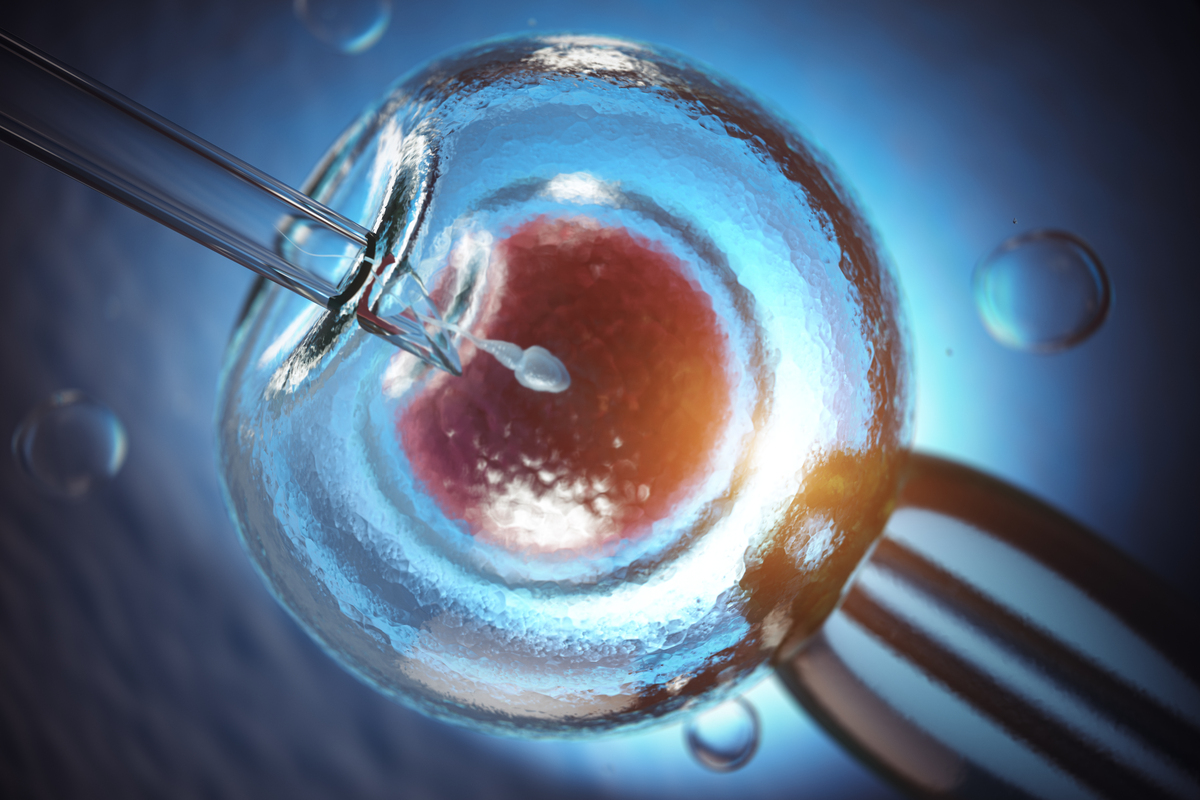
ICSI Treatment involves injecting a single sperm directly into the egg.
This technique is commonly used during IVF and may improve fertilization efficiency in selected situations.
IMSI
IMSI Treatment uses advanced sperm magnification to assist sperm selection.
It may be considered in selected couples with severe male-factor infertility or previous fertilization challenges.
Success Factors That Influence IVF Outcomes in Low AMH
Although AMH is important, several other factors significantly influence success.
Female Age
Age often has a greater impact than AMH alone.
Younger women with low AMH frequently achieve better outcomes than older women with similar AMH levels.
Embryo Quality
Embryo quality remains one of the strongest predictors of success.
Chromosomal Health
Chromosomal abnormalities increase with age and influence implantation potential.
Uterine Health
Successful implantation requires:
- Healthy endometrium
- Adequate blood supply
- Appropriate hormonal support
- Absence of significant uterine abnormalities
Laboratory Quality
Embryology expertise plays a major role in maximizing success.
Risks and Challenges Associated With Low AMH
Women with diminished ovarian reserve may face several challenges during IVF.
Fewer Eggs Retrieved
Lower ovarian reserve often results in fewer eggs available for fertilization.
Fewer Embryos Available
A smaller number of eggs may result in fewer embryos.
Possible Cycle Cancellation
In some cases, ovarian response may be inadequate.
Emotional Stress
Low AMH can create significant anxiety and uncertainty.
However, these challenges do not eliminate the possibility of pregnancy.
Limitations of IVF in Low AMH Patients
Patients should have realistic expectations.
IVF Cannot Create New Eggs
Treatment cannot increase the total ovarian reserve.
Response May Remain Limited
Even optimized stimulation protocols may yield fewer eggs.
Success Depends on Multiple Factors
AMH is only one part of the fertility picture.
Not Every Patient Will Respond the Same Way
Two women with identical AMH values may have very different outcomes.
IVF Success Rates in Low AMH Patients
One of the most frequently searched questions is:
“What is the IVF success rate with low AMH?”
The answer varies significantly.
Success depends on:
- Female age
- Ovarian reserve
- Embryo quality
- Fertility diagnosis
- Uterine health
- Male fertility factors
- Laboratory quality
Many women with low AMH achieve successful pregnancies.
The most important predictor is often the ability to obtain at least one healthy embryo suitable for transfer.
This is why individualized treatment planning is essential.
How to Further Improve IVF Success With Low AMH
Start Treatment Earlier Rather Than Later
Time is particularly important when ovarian reserve is declining.
Optimize General Health
Good overall health supports reproductive outcomes.
Follow Fertility Medications Carefully
Precise medication timing is essential.
Avoid Smoking
Smoking is associated with accelerated ovarian aging and reduced fertility.
Consider Embryo Freezing
Some women may benefit from embryo accumulation strategies in selected situations.
Seek Specialist Care
Patients can explore all available fertility options through our comprehensive Treatment Hub.
Clinical Insight From Dr. Pranay Shah
One of the biggest misconceptions I encounter is that low AMH means pregnancy is impossible.
This is simply not true.
Throughout my career, I have treated many women with low AMH who successfully conceived through IVF.
What matters most is not just the AMH number itself but the complete fertility picture.
When evaluating low AMH patients, I focus on:
- Age
- Antral follicle count
- Previous treatment response
- Ovarian reserve
- Embryo development
- Uterine health
Some women with very low AMH still produce high-quality embryos and achieve successful pregnancies.
Others may require more advanced treatment planning.
The key is individualized care rather than making decisions based solely on a laboratory value.
Patients seeking personalized fertility guidance can learn more about Dr. Pranay Shah and our fertility services in Ahmedabad.
Common Myths About Low AMH and IVF
Myth 1: Low AMH Means You Cannot Get Pregnant
Reality:
Many women with low AMH achieve pregnancy naturally or through IVF.
Myth 2: AMH Predicts Egg Quality
Reality:
AMH primarily reflects egg quantity rather than egg quality.
Myth 3: IVF Never Works With Low AMH
Reality:
Successful IVF pregnancies occur every day in women with diminished ovarian reserve.
Myth 4: Higher Egg Numbers Always Mean Better Outcomes
Reality:
Embryo quality is usually more important than egg quantity.
Myth 5: Low AMH Automatically Means Donor Eggs
Reality:
Many women with low AMH successfully conceive using their own eggs.
Recent Advances in Managing Low AMH
Recent developments in fertility medicine include:
- Personalized ovarian stimulation protocols
- Improved embryo culture systems
- Enhanced blastocyst selection
- Advanced vitrification techniques
- PGT-A testing
- Improved ovarian reserve assessment
- Fertility preservation strategies
These advances continue to improve treatment opportunities for women with diminished ovarian reserve.
Frequently Asked Questions
Can IVF work with very low AMH?
Yes. Many women with very low AMH have achieved successful pregnancies through IVF.
What AMH level is too low for IVF?
There is no single AMH value that automatically excludes IVF treatment.
Does low AMH mean poor egg quality?
Not necessarily. Egg quality is influenced more strongly by age.
Can I get pregnant naturally with low AMH?
Yes. Natural conception remains possible for many women.
How many eggs are needed for successful IVF?
Even one healthy embryo can result in pregnancy.
Does age matter more than AMH?
In many situations, age is a stronger predictor of success.
Should I consider PGT-A if I have low AMH?
Selected patients may benefit from PGT-A Testing.
Can supplements improve AMH?
Supplements may support reproductive health but cannot permanently reverse ovarian aging.
Is IVF the best treatment for low AMH?
The answer depends on age, fertility history, and reproductive goals.
Does low AMH cause miscarriage?
Low AMH itself does not directly cause miscarriage, although age-related factors may influence risk.
Can lifestyle changes improve IVF outcomes?
Healthy lifestyle habits may support reproductive health and treatment outcomes.
What is the role of blastocyst culture?
Learn more about Blastocyst Culture of Embryos and its role in embryo selection.
Should I freeze embryos if I have low AMH?
In selected situations, embryo freezing strategies may be beneficial.
Is donor egg IVF always necessary?
No. Many women with low AMH conceive using their own eggs.
Where can I learn more about fertility treatment options?
Explore IVF Treatment, our Fertility Videos, and our Blog Centre for additional information.
Key Takeaways
- Low AMH does not automatically mean IVF failure.
- AMH primarily reflects ovarian reserve rather than egg quality.
- Age remains one of the strongest predictors of success.
- Embryo quality is often more important than egg quantity.
- Individualized IVF protocols are essential.
- Early treatment may improve available options.
- PGT-A may be helpful in selected patients.
- Many women with low AMH achieve successful pregnancies through IVF.
Conclusion
A low AMH diagnosis can be frightening, but it should never be viewed as the final word on fertility potential. While diminished ovarian reserve often means fewer eggs are available during treatment, many women with low AMH continue to produce healthy embryos capable of resulting in successful pregnancies.
The most important factors influencing IVF outcomes include age, embryo quality, chromosomal health, uterine receptivity, and individualized treatment planning. Rather than focusing solely on an AMH number, patients should undergo comprehensive fertility evaluation and develop a personalized strategy based on their unique reproductive profile.
With modern fertility treatments, advanced embryology techniques, and individualized care, many women with low AMH successfully achieve their dream of parenthood.
For additional fertility education, explore our Treatment Hub, browse our Fertility Videos, or visit our Blog Centre.
About Dr. Pranay Shah
Dr. Pranay Shah is the Director and Chief Fertility Consultant at Wellspring IVF & Women’s Hospital, Ahmedabad. With more than 15 years of experience and over 6000 IVF success stories, he specializes in low AMH management, IVF, fertility preservation, recurrent IVF failure, ovarian reserve assessment, and complex infertility treatment.
Medical Disclaimer
This article is intended for educational and informational purposes only and should not be considered medical advice, diagnosis, or treatment. Fertility recommendations vary between individuals. Please consult a qualified fertility specialist for personalized evaluation and treatment guidance.