
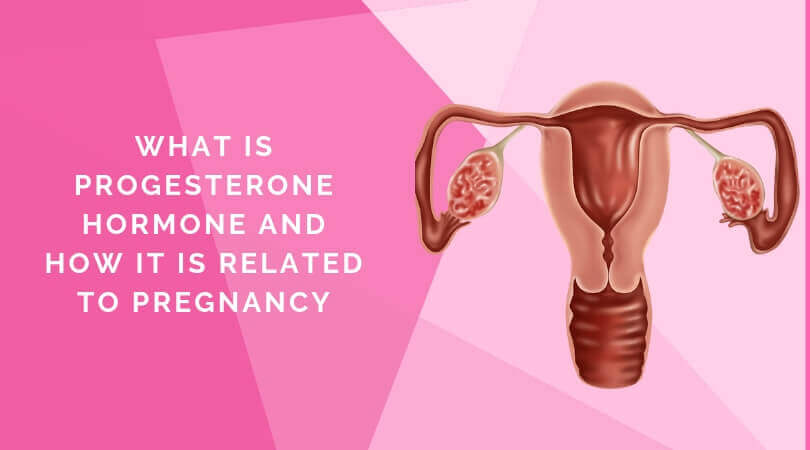
What Is Progesterone Hormone and How Is It Related to Pregnancy?
Direct Answer
Progesterone is one of the most important reproductive hormones in women. It prepares the uterine lining for implantation, supports embryo development, maintains early pregnancy, and helps create the ideal environment for conception. Low progesterone levels may contribute to difficulty conceiving, implantation problems, irregular menstrual cycles, and early pregnancy loss in some women.
Key Facts Table
| Topic | Information |
|---|---|
| Hormone | Progesterone |
| Produced By | Corpus Luteum & Placenta |
| Main Function | Supports Implantation & Pregnancy |
| Important For Fertility | Yes |
| Important For Pregnancy | Yes |
| Supports Ovulation Cycle | Yes |
| Supports Endometrial Growth | Yes |
| Deficiency May Affect Fertility | Yes |
| Can Be Treated | Yes |
| Essential Reproductive Hormone | Yes |
Introduction
Most women have heard of hormones such as estrogen, AMH, FSH, and LH while trying to conceive.
However, one hormone plays a particularly critical role in both fertility and pregnancy:
Progesterone.
Without adequate progesterone, successful implantation and maintenance of pregnancy become difficult.
This hormone helps transform the uterine lining into a nurturing environment where an embryo can implant and grow.
In clinical practice, progesterone is one of the most frequently evaluated hormones in women experiencing:
- Delayed conception
- Recurrent miscarriage
- Irregular menstrual cycles
- Implantation failure
- Infertility
At Wellspring IVF & Women’s Hospital, Ahmedabad, progesterone assessment forms an important part of fertility evaluation because this hormone influences every stage from ovulation to pregnancy maintenance.
Women interested in broader fertility evaluation can also explore our Female Infertility Hub.
What Is Progesterone?
Progesterone is a natural reproductive hormone produced primarily by:
- The corpus luteum after ovulation
- The placenta during pregnancy
Its primary role is preparing and maintaining the uterine lining for implantation and pregnancy.
Progesterone works closely with estrogen throughout the menstrual cycle.
Together, these hormones regulate:
- Ovulation
- Menstrual cycles
- Implantation
- Early pregnancy
The name progesterone literally means:
“Promoting gestation.”
This accurately reflects its central role in supporting pregnancy.
How Is Progesterone Produced?
Before Ovulation
During the first half of the menstrual cycle:
- Estrogen levels rise
- Follicles develop
- Progesterone remains relatively low
After Ovulation
Following ovulation:
- The follicle becomes the corpus luteum
- Progesterone production increases rapidly
- The uterine lining becomes receptive
During Pregnancy
If implantation occurs:
- Progesterone continues to rise
- The placenta gradually assumes hormone production
- Pregnancy maintenance becomes possible
If pregnancy does not occur:
- Progesterone levels decline
- Menstruation begins
Why Progesterone Is Important for Fertility
Progesterone affects fertility in several important ways.
Supports Endometrial Development
The endometrium must become thick and receptive for implantation.
Progesterone converts the uterine lining into an environment capable of supporting embryo implantation.
Facilitates Implantation
Successful implantation requires precise hormonal coordination.
Progesterone helps synchronize embryo development with uterine receptivity.
Supports Early Embryo Development
The earliest stages of pregnancy depend heavily on adequate progesterone support.
Helps Maintain Pregnancy
Progesterone prevents premature shedding of the uterine lining and supports continued embryo development.
Why Progesterone Is Essential for Pregnancy
Many women are surprised to learn that pregnancy cannot continue without sufficient progesterone.
Key pregnancy functions include:
Maintaining the Uterine Lining
Progesterone helps preserve the endometrium after implantation.
Supporting Placental Development
Healthy placental formation depends on hormonal support.
Reducing Uterine Contractility
Progesterone helps create a stable environment for fetal development.
Supporting Fetal Growth
The hormone contributes to a healthy pregnancy environment throughout gestation.
How Low Progesterone May Affect Fertility
When progesterone production is inadequate, fertility may be affected.
Potential consequences include:
- Difficulty conceiving
- Implantation problems
- Irregular cycles
- Luteal phase defects
- Early pregnancy loss
Not every woman with low progesterone experiences infertility, but evaluation may be appropriate when fertility challenges occur.
Signs and Symptoms of Low Progesterone
Symptoms vary between individuals.
Common symptoms may include:
Irregular Menstrual Cycles
Cycles may become unpredictable.
Short Menstrual Cycles
Some women experience shortened luteal phases.
Spotting Before Periods
Premenstrual spotting may occasionally indicate inadequate progesterone support.
Difficulty Conceiving
Implantation may become more difficult.
Recurrent Early Miscarriage
In selected cases, progesterone deficiency may contribute to pregnancy loss.
Mood Changes
Hormonal fluctuations can influence mood and emotional wellbeing.
Breast Tenderness
Hormonal imbalance may affect breast tissue.
Importantly, some women have low progesterone without obvious symptoms.
Conditions Associated With Low Progesterone
Several fertility-related conditions may influence progesterone production.
Ovulation Disorders
Women who do not ovulate regularly often produce inadequate progesterone.
PCOS
Women with PCOS may experience irregular ovulation and altered progesterone production.
Learn more about PCOS and Female Infertility.
Diminished Ovarian Reserve
Reduced ovarian reserve may influence hormonal function.
Advanced Maternal Age
Hormonal changes become more common with age.
Thyroid Disorders
Thyroid abnormalities may affect reproductive hormone balance.
How Is Low Progesterone Diagnosed?
Diagnosis requires a combination of:
Medical History
Symptoms and reproductive history provide important clues.
Menstrual Cycle Evaluation
Cycle patterns may suggest ovulatory dysfunction.
Blood Tests
Progesterone levels are commonly measured during the luteal phase.
Ovulation Assessment
Determining whether ovulation occurs regularly is essential.
Ultrasound Monitoring
Follicular development and ovulation can be evaluated through ultrasound.
When Should You See a Fertility Specialist?
Women should consider fertility evaluation if they experience:
- Difficulty conceiving
- Recurrent miscarriage
- Irregular menstrual cycles
- Suspected ovulation problems
- Failed fertility treatments
- Known hormonal disorders
Early evaluation often improves treatment options and outcomes.
Women seeking personalized fertility guidance can learn more about Dr. Pranay Shah and our fertility services in Ahmedabad.
Treatment Options for Low Progesterone
Treatment depends on the underlying cause.
Potential approaches include:
- Ovulation induction
- Hormonal support
- Lifestyle optimization
- Management of thyroid disorders
- Fertility treatment when needed
- Progesterone supplementation
The most appropriate treatment depends on the patient’s fertility goals and overall reproductive health.
Natural Approaches That May Support Healthy Progesterone Levels
Natural approaches cannot replace medical treatment when significant hormonal problems exist, but they may support overall reproductive health.
Maintain a Healthy Weight
Being significantly underweight or overweight may disrupt ovulation and hormone production.
Achieving a healthy BMI may support:
- Ovulation
- Hormonal balance
- Fertility outcomes
Improve Sleep Quality
Poor sleep may affect hormonal regulation.
Aim for:
- 7–8 hours of sleep
- Consistent sleep schedules
- Good sleep hygiene
Manage Stress
Chronic stress may influence reproductive hormone signaling.
Helpful approaches include:
- Yoga
- Meditation
- Walking
- Counseling
- Mindfulness practices
Follow a Balanced Diet
A fertility-friendly diet emphasizing:
- Fruits
- Vegetables
- Whole grains
- Lean proteins
- Healthy fats
may support reproductive health.
Regular Exercise
Moderate exercise supports:
- Metabolic health
- Hormonal regulation
- Fertility wellness
When IVF Is Needed
Not every woman with low progesterone requires IVF.
However, IVF may become appropriate when:
Multiple Fertility Factors Exist
Examples include:
- Low progesterone
- Low AMH
- Endometriosis
- Male infertility
- Advanced maternal age
Repeated Fertility Treatment Failure
Women who do not conceive despite ovulation induction or other fertility treatments may eventually require IVF.
Tubal Factors
Blocked fallopian tubes often necessitate IVF.
Severe Endometriosis
Advanced endometriosis may significantly impair fertility.
Long-Standing Infertility
The longer infertility persists, the more important comprehensive fertility treatment becomes.
Patients can learn more about IVF Treatment and how IVF helps overcome multiple fertility barriers.
Progesterone Support During IVF
One of the most important uses of progesterone is during IVF treatment.
After egg retrieval, many patients receive progesterone supplementation because natural hormone production may be altered.
Progesterone support helps:
- Prepare the endometrium
- Support implantation
- Maintain early pregnancy
- Improve synchronization between embryo and uterus
This is particularly important during:
- Fresh embryo transfers
- Frozen embryo transfers
- Donor egg cycles
Clinical Insight From Dr. Pranay Shah
One of the biggest misconceptions I encounter is that progesterone is only important after pregnancy occurs.
In reality, progesterone becomes critically important before pregnancy begins.
Successful conception requires three major events:
- Ovulation
- Implantation
- Pregnancy maintenance
Progesterone influences all three.
In my clinical practice, I frequently evaluate progesterone levels in women experiencing recurrent implantation failure, recurrent miscarriage, irregular cycles, and unexplained infertility.
However, it is equally important not to assume that every fertility problem is caused by progesterone deficiency.
A comprehensive fertility evaluation is essential because fertility outcomes depend on:
- Egg quality
- Ovulation
- Sperm quality
- Tubal function
- Uterine health
- Hormonal balance
The most successful treatment plans address the complete fertility picture rather than focusing on a single hormone.
Patients seeking individualized fertility care can learn more about Dr. Pranay Shah and our fertility services in Ahmedabad.
Common Myths About Progesterone and Pregnancy
Myth 1: Progesterone Is Only Important After Pregnancy
Reality:
Progesterone is essential before implantation occurs.
Myth 2: Every Woman With Low Progesterone Is Infertile
Reality:
Many women with mild progesterone abnormalities still conceive naturally.
Myth 3: Taking Progesterone Guarantees Pregnancy
Reality:
Progesterone supports implantation but cannot guarantee conception.
Myth 4: Progesterone Is Only Needed During IVF
Reality:
Progesterone is important in both natural and assisted conception.
Myth 5: Normal Periods Always Mean Normal Progesterone
Reality:
Some women with progesterone abnormalities still have relatively regular cycles.
Recent Research on Progesterone and Fertility
Recent reproductive medicine research has improved understanding of:
- Endometrial receptivity
- Implantation biology
- Luteal phase support
- IVF outcomes
- Frozen embryo transfer protocols
- Personalized progesterone supplementation
Research continues to demonstrate the importance of progesterone in successful embryo implantation and early pregnancy maintenance.
Frequently Asked Questions
What is progesterone?
Progesterone is a reproductive hormone that prepares the uterus for pregnancy and supports implantation.
Why is progesterone important for pregnancy?
It helps maintain the uterine lining and supports early embryo development.
Can low progesterone cause infertility?
In some women, inadequate progesterone may contribute to fertility difficulties.
Can low progesterone cause miscarriage?
Progesterone deficiency may contribute to pregnancy loss in selected situations.
What are symptoms of low progesterone?
Possible symptoms include irregular cycles, spotting before periods, infertility, and recurrent pregnancy loss.
How is progesterone tested?
Progesterone is typically measured through blood testing during the luteal phase.
Can progesterone levels be treated?
Yes. Treatment options depend on the underlying cause.
Is progesterone used during IVF?
Yes. Progesterone support is routinely used in most IVF cycles.
Can progesterone improve implantation?
Adequate progesterone is essential for implantation.
Does progesterone increase fertility?
Progesterone supports reproductive function but is only one component of fertility.
Can lifestyle changes improve progesterone levels?
Healthy lifestyle habits may support hormonal balance and ovulation.
Does PCOS affect progesterone?
Yes. Irregular ovulation associated with PCOS may affect progesterone production.
Is progesterone important in frozen embryo transfer cycles?
Yes. Progesterone support is critical in most frozen embryo transfer protocols.
When should I see a fertility specialist?
Women experiencing infertility, recurrent miscarriage, or ovulation problems should seek evaluation.
Where can I learn more about fertility conditions?
Visit our Female Infertility Hub, explore our Fertility Videos, or browse our Blog Centre.
Key Takeaways
- Progesterone is one of the most important hormones for fertility and pregnancy.
- It prepares the uterine lining for implantation.
- It supports embryo development and early pregnancy.
- Low progesterone may contribute to infertility and pregnancy loss in some women.
- Symptoms may include irregular cycles, spotting, and difficulty conceiving.
- Diagnosis typically involves hormonal testing and fertility evaluation.
- Treatment depends on the underlying cause.
- Progesterone supplementation is commonly used during IVF.
- Comprehensive fertility evaluation remains essential.
Conclusion
Progesterone plays a central role in every stage of reproduction, from preparing the uterus for implantation to maintaining a healthy pregnancy. While low progesterone may contribute to fertility challenges in some women, it is only one part of a much larger reproductive picture.
Successful fertility care requires understanding how progesterone interacts with ovulation, egg quality, sperm quality, uterine health, and overall reproductive function. With proper evaluation and individualized treatment, many women experiencing progesterone-related fertility concerns successfully achieve pregnancy.
For additional fertility education, visit our Female Infertility Hub, explore IVF Treatment, browse our Fertility Videos, or read more resources in our Blog Centre.
About Dr. Pranay Shah
Dr. Pranay Shah is the Director and Chief Fertility Consultant at Wellspring IVF & Women’s Hospital, Ahmedabad. With more than 15 years of experience and over 6000 IVF success stories, he specializes in reproductive endocrinology, IVF, recurrent miscarriage, recurrent implantation failure, low AMH, PCOS, and complex infertility management.
Medical Disclaimer
This article is intended for educational and informational purposes only and should not be considered medical advice, diagnosis, or treatment. Fertility recommendations vary between individuals. Please consult a qualified fertility specialist for personalized evaluation and treatment guidance.