

Does Fertility Get Affected by Changing Lifestyle?
Direct Answer
Yes. Lifestyle changes can significantly affect both male and female fertility. Factors such as diet, body weight, sleep quality, stress levels, smoking, alcohol consumption, physical activity, and environmental exposures can influence hormone production, ovulation, sperm quality, egg quality, implantation, and pregnancy outcomes. While lifestyle optimization cannot solve every fertility problem, it remains one of the most important and evidence-based ways to support reproductive health and improve fertility treatment outcomes.
Key Facts Table
| Lifestyle Factor | Effect on Fertility |
|---|---|
| Smoking | Negative |
| Obesity | Negative |
| Poor Sleep | Negative |
| Excessive Alcohol | Negative |
| Chronic Stress | Potentially Negative |
| Healthy Diet | Positive |
| Regular Exercise | Positive |
| Healthy Weight | Positive |
| Good Metabolic Health | Positive |
| Fertility Treatment Outcomes | Can Improve |
Introduction
Many couples struggling to conceive ask an important question:
“Can lifestyle really affect fertility?”
The answer is yes.
Modern reproductive medicine has demonstrated that fertility is influenced not only by medical conditions but also by everyday habits.
Many lifestyle factors can affect:
- Egg quality
- Sperm quality
- Ovulation
- Hormonal balance
- Implantation
- Pregnancy outcomes
While lifestyle changes cannot completely reverse severe infertility conditions, they often improve reproductive health and may increase the chances of natural conception or successful fertility treatment.
At Wellspring IVF & Women’s Hospital, Ahmedabad, fertility optimization is an important part of both natural conception planning and advanced fertility treatments.
Why This Matters for Fertility
Reproduction is a biologically demanding process.
The body requires:
- Hormonal balance
- Healthy egg production
- Healthy sperm production
- Adequate nutrition
- Good metabolic health
Lifestyle habits influence all of these systems.
Even when advanced fertility treatments such as IVF Treatment.
Scientific Evidence Linking Lifestyle and Fertility
Over the last two decades, fertility research has consistently shown associations between lifestyle factors and reproductive health.
Studies have linked:
- Smoking with reduced fertility
- Obesity with ovulatory dysfunction
- Sleep disruption with hormonal imbalance
- Poor diet with lower reproductive potential
- Excess alcohol with fertility impairment
- Sedentary lifestyle with metabolic dysfunction
Researchers now recognize fertility as closely connected to overall health.
How Lifestyle Affects Female Fertility
Hormonal Balance
Lifestyle factors can influence:
- Estrogen production
- Progesterone production
- Insulin sensitivity
- Ovulation regulation
Hormonal disruption may contribute to infertility.
Ovulation
Healthy ovulation is essential for natural conception.
Weight gain, stress, and metabolic dysfunction can interfere with ovulation.
Women with PCOS Treatment Options often experience ovulatory disturbances linked to metabolic health.
Egg Quality
Egg quality is influenced by:
- Age
- Oxidative stress
- Nutrition
- Environmental exposures
Although age remains the dominant factor, lifestyle may influence overall reproductive health.
Implantation
The uterine environment must support embryo implantation.
Inflammation and metabolic dysfunction may negatively affect implantation potential.
How Lifestyle Affects Male Fertility
Male fertility is highly sensitive to lifestyle factors.
Sperm Count
Smoking, obesity, and certain environmental exposures may reduce sperm production.
Sperm Motility
Healthy lifestyle habits support sperm movement and function.
Sperm Morphology
Overall health may influence sperm structure.
DNA Integrity
Oxidative stress may increase sperm DNA damage.
This is particularly relevant for men with fertility concerns and recurrent IVF failure.
Nutrition Mechanisms and Fertility
Nutrition affects fertility through multiple biological pathways.
Hormonal Regulation
Nutrients influence reproductive hormone production.
Insulin Sensitivity
Insulin resistance may disrupt ovulation.
Inflammation
Chronic inflammation may impair reproductive function.
Oxidative Stress
Antioxidant-rich diets may support reproductive health.
For more information, see our Fertility Diet for IVF and Egg Quality.
Lifestyle Factors That Can Negatively Affect Fertility
Smoking
Smoking affects:
- Egg quality
- Sperm quality
- Implantation
- Pregnancy outcomes
Excessive Alcohol
Heavy alcohol intake may impair reproductive health.
Obesity
Obesity is associated with:
- Ovulation problems
- Reduced fertility
- Pregnancy complications
Poor Sleep
Sleep disruption can affect:
- Hormones
- Metabolism
- Stress regulation
Sedentary Lifestyle
Lack of physical activity may contribute to metabolic dysfunction.
Chronic Stress
Stress alone rarely causes infertility, but chronic stress can influence reproductive well-being.
Lifestyle Factors That May Improve Fertility
Healthy Weight
Weight optimization supports:
- Hormonal balance
- Ovulation
- Fertility treatment outcomes
Regular Exercise
Moderate exercise improves:
- Metabolic health
- Insulin sensitivity
- Cardiovascular health
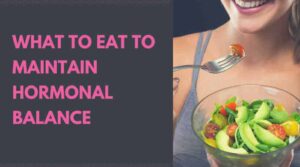
Balanced Nutrition
A nutrient-rich diet supports reproductive function.
Adequate Sleep
Quality sleep contributes to hormonal regulation.
Smoking Cessation
One of the most beneficial fertility interventions available.
Who Benefits Most From Lifestyle Optimization?
Couples Trying to Conceive Naturally
Lifestyle improvements may support natural fertility.
Women With PCOS
Women with PCOS often benefit significantly from lifestyle modification.
Women With Low Ovarian Reserve
Patients with Low AMH and Ovarian Reserve may benefit from overall fertility optimization.
Men With Reduced Sperm Parameters
Lifestyle improvements may positively affect sperm health.
Couples Preparing for IVF
Healthy habits may help optimize fertility treatment outcomes.
Who Should Avoid Extreme Lifestyle Changes?
Evidence-based lifestyle improvements are beneficial.
However, patients should avoid:
Extreme Diets
Severe calorie restriction may negatively affect fertility.
Excessive Exercise
Overtraining may disrupt reproductive hormones.
Unproven Fertility Supplements
Many products lack scientific evidence.
Online Miracle Treatments
Be cautious of unsupported fertility claims.
Practical Recommendations
Focus on Healthy Weight
Aim for sustainable weight management.
Eat a Balanced Diet
Prioritize:
- Vegetables
- Fruits
- Lean proteins
- Whole grains
- Healthy fats
Exercise Regularly
Moderate exercise is usually sufficient.
Sleep 7–9 Hours
Good sleep supports hormonal health.
Stop Smoking
Smoking cessation should be prioritized.
Limit Alcohol
Moderation is important when planning pregnancy.
Common Mistakes That Can Harm Fertility
One of the biggest mistakes couples make is focusing only on fertility treatments while ignoring overall health.
Waiting Too Long to Seek Help
Many couples delay evaluation despite:
- Irregular cycles
- PCOS
- Low sperm count
- Advanced maternal age
Early assessment often improves outcomes.
Following Unverified Internet Advice
Social media frequently promotes:
- Miracle fertility foods
- Detox programs
- Expensive supplements
- Unproven therapies
Most lack scientific support.
Ignoring Male Fertility
Nearly half of infertility cases involve a male factor.
Both partners should undergo evaluation.
Excessive Supplement Use
More supplements do not automatically improve fertility.
Some may even be harmful if taken inappropriately.
Extreme Weight Loss Programs
Crash diets may disrupt:
- Ovulation
- Hormonal balance
- Reproductive function
Overtraining
Very intense exercise can negatively affect fertility in some women and men.
Research Summary
Current reproductive research consistently demonstrates that lifestyle factors influence fertility.
Major findings include:
Healthy Weight Improves Reproductive Function
Weight optimization improves:
- Ovulation
- Insulin sensitivity
- Hormonal balance
Smoking Reduces Fertility
Smoking is associated with:
- Lower natural conception rates
- Reduced IVF success
- Earlier ovarian aging
Nutrition Matters
Balanced dietary patterns are associated with improved reproductive health.
Physical Activity Supports Fertility
Moderate exercise improves:
- Metabolic health
- Cardiovascular health
- Hormonal regulation
Sleep Influences Hormones
Poor sleep has been associated with hormonal disturbances that may affect fertility.
Lifestyle Improves IVF Outcomes
Healthy habits may contribute to better outcomes during:
IVF Treatment although lifestyle alone cannot overcome every fertility diagnosis.
Clinical Insight From Dr. Pranay Shah
Many couples believe fertility is determined solely by age or medical diagnosis.
In reality, reproductive health reflects overall health.
While lifestyle changes cannot completely reverse conditions such as severe endometriosis, advanced ovarian aging, or blocked fallopian tubes, they often improve the body’s ability to respond to treatment.
I frequently see patients who focus exclusively on medications while overlooking sleep, nutrition, exercise, smoking cessation, and weight management.
The best fertility outcomes usually occur when evidence-based medical treatment is combined with healthy lifestyle habits.
Lifestyle optimization should never replace fertility treatment when treatment is necessary, but it should always accompany it.
Patients seeking individualized fertility guidance can learn more about Dr. Pranay Shah and fertility services in Ahmedabad.
Frequently Asked Questions
Can lifestyle changes improve fertility?
Yes. Lifestyle optimization can positively influence reproductive health and fertility outcomes.
Does weight affect fertility?
Yes. Both obesity and being significantly underweight may affect fertility.
Can smoking cause infertility?
Smoking is strongly associated with reduced fertility in both men and women.
Does alcohol affect fertility?
Heavy alcohol consumption may negatively affect reproductive health.
Can stress cause infertility?
Stress alone rarely causes infertility but may influence overall reproductive well-being.
Does sleep affect fertility?
Good sleep supports hormonal regulation and reproductive health.
Can exercise improve fertility?
Moderate exercise is generally beneficial.
Can poor diet affect fertility?
Yes. Nutrition influences metabolism, hormones, and reproductive function.
Can lifestyle changes improve IVF success?
Healthy habits may help optimize treatment outcomes alongside medical care.
Is fertility affected by age more than lifestyle?
Age remains the strongest determinant of female fertility, but lifestyle also plays an important role.
Are fertility supplements always necessary?
No. Supplements should be individualized and evidence-based.
Where can I learn more about fertility wellness?
Visit our Fertility Diet for IVF and Egg Quality, explore our Fertility Videos, and browse our Blog Centre.
Key Takeaways
- Lifestyle significantly influences fertility in both men and women.
- Healthy weight supports reproductive function.
- Smoking negatively affects fertility and pregnancy outcomes.
- Balanced nutrition contributes to hormonal and metabolic health.
- Moderate exercise supports fertility.
- Adequate sleep helps regulate reproductive hormones.
- Stress management may improve overall well-being during fertility treatment.
- Lifestyle optimization can complement but not replace medical fertility treatment.
- Evidence-based approaches are more effective than online fertility myths.
- Early fertility evaluation remains important when conception is delayed.
Conclusion
Fertility is influenced by a combination of biological, medical, genetic, and lifestyle factors. While age and underlying reproductive conditions remain important determinants of fertility, everyday habits such as nutrition, physical activity, sleep, weight management, smoking, and alcohol consumption can significantly affect reproductive health.
The encouraging news is that many lifestyle factors are modifiable. Evidence-based lifestyle improvements may support natural conception, enhance overall reproductive health, and help optimize fertility treatment outcomes. Couples planning pregnancy should focus on sustainable healthy habits rather than extreme diets, unproven supplements, or miracle fertility claims.
For additional fertility education, visit our Female Infertility Hub, learn more about IVF Treatment, review our Fertility Diet for IVF and Egg Quality, explore our Fertility Videos, and browse our Blog Centre.
About Dr. Pranay Shah
Dr. Pranay Shah is the Director and Chief Fertility Consultant at Wellspring IVF & Women’s Hospital, Ahmedabad. With more than 15 years of experience and over 6000 IVF success stories, he specializes in reproductive endocrinology, IVF, PCOS management, low AMH treatment, recurrent fertility failure, fertility preservation, and advanced infertility care.
Medical Disclaimer
This article is intended for educational and informational purposes only and should not be considered medical advice, diagnosis, or treatment. Fertility outcomes vary between individuals. Please consult a qualified fertility specialist for personalized evaluation, diagnosis, and treatment recommendations.