
Are IVF Babies Normal Compared to Naturally Conceived Babies?
Direct Answer
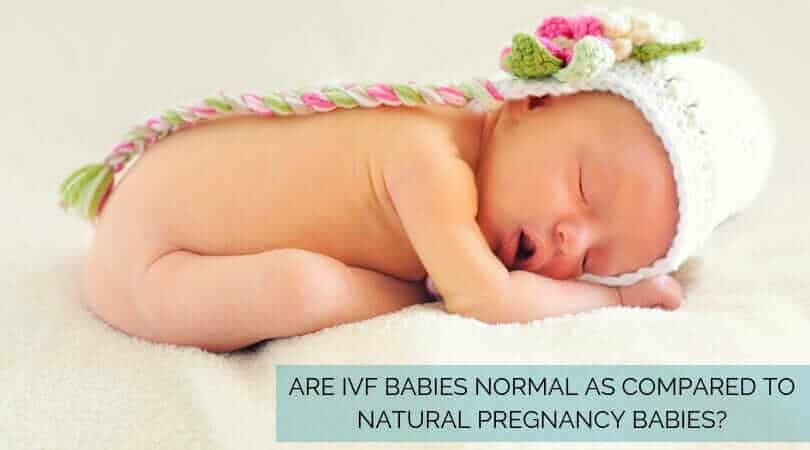
Yes. IVF babies are generally as healthy, normal, intelligent, and capable as naturally conceived babies. Decades of scientific research involving millions of children worldwide have shown that most IVF-conceived children grow, develop, learn, and live lives similar to children conceived naturally. While certain pregnancy risks may be slightly higher in some fertility patients due to underlying infertility factors, IVF itself does not prevent children from being healthy, normal individuals.
Key Facts Table
| Topic | Information |
|---|---|
| IVF Babies Normal? | Yes |
| Physical Development | Comparable |
| Intelligence | Comparable |
| School Performance | Comparable |
| Long-Term Health | Generally Comparable |
| Fertility in Adulthood | Usually Normal |
| Athletic Ability | Normal |
| Life Expectancy | Expected Normal |
| Scientific Evidence | Strong |
| Millions Born Through IVF | Yes |
Introduction
One of the most common concerns fertility patients express before starting IVF is:
“Will my baby be normal?”
Many couples worry about:
- Birth defects
- Intelligence
- Physical development
- Future fertility
- Growth milestones
- Overall health
These concerns are understandable.
IVF is often unfamiliar to patients, and myths surrounding fertility treatment continue to circulate on social media, internet forums, and family discussions.
The reassuring reality is that IVF has now been performed successfully for more than four decades.
Millions of healthy babies have been born worldwide through IVF.
The first IVF baby, Louise Brown, was born in 1978 and has lived a healthy life, providing reassurance regarding the long-term safety of assisted reproductive technologies.
At Wellspring IVF & Women’s Hospital, Ahmedabad, this remains one of the most frequently asked questions by patients considering fertility treatment.
What Is IVF?
IVF Treatment (In Vitro Fertilization) is a fertility treatment in which:
- Eggs are collected from the ovaries
- Sperm are collected
- Fertilization occurs in a laboratory
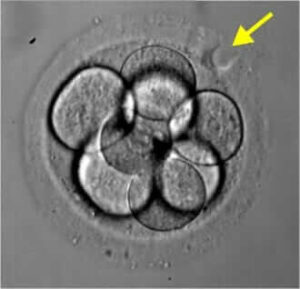
- Embryos develop under controlled conditions
- An embryo is transferred into the uterus
Once implantation occurs, pregnancy develops naturally inside the uterus just as it would after natural conception.
From that point onward, fetal development follows the same biological processes.
Why Do People Worry About IVF Babies?
Several misconceptions contribute to concern.
Common fears include:
- IVF babies may not be healthy
- IVF babies may have developmental problems
- IVF babies may be physically weak
- IVF babies may have lower intelligence
- IVF babies may be infertile themselves
Fortunately, decades of research have largely disproven these myths.
How IVF Babies Are Conceived
The key difference between IVF and natural conception is where fertilization occurs.
Natural Conception
Fertilization occurs inside the fallopian tube.
IVF Conception
Fertilization occurs inside a specialized embryology laboratory.
After fertilization, embryo development proceeds naturally.
Once transferred into the uterus, the embryo implants and develops similarly to naturally conceived pregnancies.
Are IVF Babies Physically Normal?
Yes.
Research consistently shows that IVF-conceived children generally achieve normal:
- Growth milestones
- Physical development
- Height
- Weight
- Puberty
Most IVF children develop similarly to naturally conceived children.
The overwhelming majority live completely normal lives.
Are IVF Babies Intelligent?
This is another common concern.
Scientific studies have demonstrated that IVF children typically show:
- Normal intelligence
- Normal cognitive development
- Normal language development
- Normal educational performance
Many IVF children perform equally well academically compared to naturally conceived peers.
Intelligence is influenced far more by:
- Genetics
- Family environment
- Education
- Nutrition
- Social development
than by the method of conception.
Are IVF Babies Healthy?
The answer is generally yes.
Most IVF babies:
- Have normal childhood development
- Participate in sports
- Attend school normally
- Develop social skills normally
- Lead healthy lives
It is important to distinguish risks related to infertility itself from risks related to IVF procedures.
Many fertility patients are older or have underlying medical conditions, which may independently influence pregnancy outcomes.
Are Birth Defects More Common in IVF Babies?
This topic is often misunderstood.
The absolute risk of major birth defects remains low in both natural and IVF pregnancies.
Research suggests that small differences observed in some studies may often be related to:
- Parental age
- Underlying infertility
- Genetic factors
- Medical conditions
rather than IVF itself.
Most IVF pregnancies result in healthy babies.
Does ICSI Affect Baby Health?
Some IVF cycles involve ICSI Treatment.
ICSI is commonly used for male infertility.
Extensive research has shown that most children conceived through ICSI develop normally.
This technique has been used worldwide for decades.
Do Blastocyst Embryos Produce Healthy Babies?
Modern IVF frequently uses Blastocyst Culture of Embryos.
Blastocyst culture allows embryologists to identify embryos with strong developmental potential.
Research supports the safety of blastocyst transfer, and millions of healthy children have been born following blastocyst-stage embryo transfer.
Can IVF Babies Have Children in the Future?
Yes.
Most IVF-conceived adults are expected to have normal fertility.
Many IVF-conceived individuals have already become parents themselves.
Current evidence is reassuring regarding reproductive health in adulthood.
Are IVF Babies Different From Natural Babies After Birth?
After birth, doctors generally cannot distinguish between:
- IVF babies
- Naturally conceived babies
based on appearance, development, intelligence, or daily functioning.
The method of conception does not define the child.
The overwhelming majority of IVF-conceived children grow up indistinguishable from their peers.
What About Long-Term Health?
Researchers continue to monitor long-term outcomes.
Available evidence suggests that most IVF-conceived individuals:
- Reach normal developmental milestones
- Attend school normally
- Build careers
- Have families
- Live healthy lives
Long-term follow-up studies continue to provide reassuring data.
Success Factors That Influence Healthy IVF Outcomes
Several factors influence pregnancy outcomes more than IVF itself.
These include:
- Maternal age
- Paternal age
- Embryo quality
- Uterine health
- Lifestyle factors
- Pregnancy care
The goal of modern fertility treatment is selecting the healthiest possible embryo for transfer.
Selected patients may benefit from PGT-A Testing to improve embryo selection.
Advantages of IVF
IVF has helped millions of couples achieve parenthood.
Benefits include:
- Treatment of blocked tubes
- Male infertility management
- Fertility preservation
- Genetic testing options
- Advanced embryo selection
- Opportunity for pregnancy despite significant infertility challenges
Patients can explore all fertility options through our Treatment Hub.
Risks and Limitations of IVF
While IVF is considered a safe and effective fertility treatment, patients should understand its limitations.
IVF Cannot Guarantee Pregnancy
One of the most important realities is that IVF improves the chance of pregnancy but cannot guarantee success.
Pregnancy outcomes depend on:
- Female age
- Egg quality
- Sperm quality
- Embryo quality
- Uterine receptivity
- Overall reproductive health
Underlying Infertility Factors Still Matter
Some pregnancy risks may be associated with the original infertility diagnosis rather than IVF itself.
For example:
- Advanced maternal age
- Endometriosis
- Severe male infertility
- Recurrent miscarriage
may influence pregnancy outcomes regardless of how conception occurs.
Multiple Pregnancy Risk
If multiple embryos are transferred, the risk of twins or higher-order pregnancies increases.
Modern IVF increasingly favors single embryo transfer whenever appropriate.
IVF Success Rates and Healthy Baby Outcomes
Patients often ask:
“If IVF works, will my baby be healthy?”
The overwhelming answer is yes.
The vast majority of successful IVF pregnancies result in healthy babies.
Modern fertility treatment focuses on:
- High-quality embryology
- Careful embryo selection
- Individualized treatment planning
- Improved laboratory conditions
These advances continue to improve both pregnancy rates and healthy live birth rates.
How to Improve the Chances of Having a Healthy IVF Baby
Optimize Maternal Health Before Treatment
Healthy pregnancy outcomes begin before conception.
Important factors include:
- Weight optimization
- Thyroid management
- Diabetes control
- Nutritional optimization
- Smoking cessation
Focus on Embryo Quality
Embryo quality remains one of the strongest predictors of success.
Modern techniques such as Blastocyst Culture of Embryos help identify embryos with strong developmental potential.
Consider Genetic Screening When Appropriate
Selected couples may benefit from PGT-A Testing to help identify chromosomally normal embryos.
Follow Pregnancy Care Recommendations
Routine prenatal care remains important for both IVF and naturally conceived pregnancies.
Clinical Insight From Dr. Pranay Shah
One of the most emotional questions I hear from patients is:
“Doctor, will my IVF baby be normal?”
My answer is almost always reassuring.
Over the last several decades, fertility medicine has produced millions of healthy children worldwide.
In my own clinical experience, IVF children grow, learn, play, attend school, and achieve milestones just like naturally conceived children.
The biggest misconception is believing that IVF changes the child.
It does not.
IVF simply helps fertilization occur when natural conception has become difficult.
Once implantation occurs, the baby develops naturally inside the uterus.
Parents often return years later with photographs of healthy children who are thriving academically, socially, and physically.
The focus should not be on whether a child was conceived through IVF.
The focus should be on achieving a healthy pregnancy and healthy baby.
Patients seeking individualized fertility guidance can learn more about Dr. Pranay Shah and fertility care in Ahmedabad.
Common Myths About IVF Babies
Myth 1: IVF Babies Are Not Normal
Reality:
Scientific evidence overwhelmingly shows that IVF babies are generally as healthy and normal as naturally conceived children.
Myth 2: IVF Babies Have Lower Intelligence
Reality:
Research demonstrates normal cognitive and educational development.
Myth 3: IVF Babies Are Physically Weak
Reality:
Most IVF children participate normally in sports, school activities, and everyday life.
Myth 4: IVF Babies Cannot Have Children
Reality:
Most IVF-conceived adults are expected to have normal fertility.
Myth 5: Doctors Can Easily Identify IVF Babies
Reality:
In everyday life, IVF-conceived children are indistinguishable from naturally conceived children.
Myth 6: IVF Causes Birth Defects
Reality:
The absolute risk remains low, and many observed differences are often linked to parental factors rather than IVF itself.
Recent Advances Improving IVF Safety
Modern IVF is very different from IVF performed decades ago.
Important advances include:
- Advanced embryo culture systems
- Blastocyst culture
- Vitrification technology
- Single embryo transfer strategies
- Improved laboratory quality control
- Genetic testing options
- Advanced sperm selection
Selected patients may benefit from IMSI Treatment and other advanced reproductive technologies.
These innovations continue to improve both pregnancy outcomes and long-term child health.
Frequently Asked Questions
Are IVF babies normal?
Yes. Most IVF babies are healthy and develop normally.
Are IVF babies as intelligent as naturally conceived babies?
Yes. Research shows comparable cognitive development and educational outcomes.
Can IVF babies go to normal schools?
Absolutely. IVF children attend regular schools and participate in normal activities.
Are IVF babies physically healthy?
Most IVF-conceived children are physically healthy and achieve normal developmental milestones.
Do IVF babies have more birth defects?
The overall risk remains low, and most IVF pregnancies result in healthy babies.
Can IVF babies play sports?
Yes. IVF children participate in sports and physical activities just like other children.
Does ICSI affect baby development?
Research shows that most children conceived through ICSI Treatment develop normally.
Are blastocyst babies healthy?
Yes. Millions of healthy children have been born after Blastocyst Culture of Embryos.
Can IVF babies have children of their own?
Current evidence suggests that most IVF-conceived adults have normal reproductive potential.
Does IVF change the baby’s DNA?
No. IVF does not alter the child’s DNA.
Are IVF babies smaller than normal babies?
Most IVF children achieve normal growth and development.
Is IVF safe?
IVF is considered a safe and well-established fertility treatment.
How many healthy IVF babies have been born worldwide?
Millions of healthy babies have been born through IVF globally.
Can IVF babies live normal lives?
Yes. They typically live normal, healthy lives.
Where can I learn more about IVF?
Visit our IVF Treatment Page, browse our Fertility Videos, or explore our Blog Centre.
Key Takeaways
- IVF babies are generally as healthy and normal as naturally conceived babies.
- Physical growth and developmental milestones are typically comparable.
- Intelligence and educational outcomes are generally similar.
- Most IVF children live healthy, active lives.
- Long-term research continues to support IVF safety.
- Modern IVF techniques have improved significantly over time.
- IVF does not change the child’s identity, personality, or potential.
- The vast majority of IVF pregnancies result in healthy children.
Conclusion
The question “Are IVF babies normal?” is one of the most important concerns for couples considering fertility treatment. Fortunately, decades of scientific research and the experience of millions of families worldwide provide reassuring answers.
IVF-conceived children generally grow, learn, develop, and thrive just like children conceived naturally. While fertility treatment helps overcome reproductive challenges, once pregnancy is established, fetal development follows the same biological processes that occur in natural conception.
Modern IVF has helped millions of couples achieve their dream of parenthood while maintaining an excellent safety profile. For most families, the most important outcome is not how conception occurred but the arrival of a healthy child.
For additional fertility education, explore our Treatment Hub, visit our Fertility Videos, or browse our Blog Centre.
About Dr. Pranay Shah
Dr. Pranay Shah is the Director and Chief Fertility Consultant at Wellspring IVF & Women’s Hospital, Ahmedabad. With more than 15 years of experience and over 6000 IVF success stories, he specializes in IVF, ICSI, IMSI, fertility preservation, recurrent IVF failure, embryo selection, and complex infertility management.
Medical Disclaimer
This article is intended for educational and informational purposes only and should not be considered medical advice, diagnosis, or treatment. Fertility recommendations vary between individuals. Please consult a qualified fertility specialist for personalized evaluation and treatment guidance.