
6 Important Steps of a Single IVF Cycle: Complete IVF Process Explained
Direct Answer
A typical IVF cycle consists of six major steps: ovarian stimulation, follicular monitoring, egg retrieval, fertilization, embryo culture, and embryo transfer. Each stage plays an important role in helping couples achieve pregnancy. Modern IVF may also include advanced procedures such as ICSI, IMSI, blastocyst culture, embryo freezing, and PGT-A testing depending on the patient’s fertility condition.
Key Facts Table
| Topic | Information |
|---|---|
| Treatment | IVF |
| Full Form | In Vitro Fertilization |
| Typical Cycle Length | 4–6 Weeks |
| Main Steps | 6 |
| Requires Egg Retrieval | Yes |
| Embryo Transfer Included | Yes |
| Advanced Techniques Available | Yes |
| Pregnancy Guaranteed | No |
| Individualized Protocols | Yes |
| Specialist Monitoring Required | Yes |
Introduction
For many couples struggling with infertility, IVF represents one of the most effective fertility treatments available today.
However, many patients begin treatment without fully understanding what actually happens during an IVF cycle.
Questions commonly include:
- How does IVF work?
- How many steps are involved?
- Is IVF painful?
- How long does an IVF cycle take?
- What happens after egg retrieval?
- When is embryo transfer performed?
Understanding the IVF process can reduce anxiety and help couples feel more confident throughout treatment.
At Wellspring IVF & Women’s Hospital, Ahmedabad, we believe informed patients are better prepared for their fertility journey. This guide explains the six major stages of a typical IVF cycle and highlights important factors that influence success.
If you are new to fertility treatment, you may first want to review our comprehensive guide to IVF Treatment.
What Is IVF?
IVF (In Vitro Fertilization) is an advanced fertility treatment in which eggs and sperm are combined in a specialized laboratory to create embryos.
The resulting embryo is then transferred into the uterus with the goal of achieving pregnancy.
IVF may be recommended for:
- Blocked fallopian tubes
- Male infertility
- Low AMH
- Endometriosis
- Unexplained infertility
- Recurrent IVF failure
- Advanced maternal age
- Fertility preservation
Today, IVF frequently incorporates advanced technologies that further improve treatment outcomes.
Who May Need IVF?
IVF may be considered for couples experiencing:
Female Fertility Factors
- Blocked tubes
- Endometriosis
- Low ovarian reserve
- Ovulation disorders
- Advanced maternal age
Male Fertility Factors
- Low sperm count
- Poor motility
- Severe morphology issues
- Sperm DNA fragmentation
- Azoospermia
Combined Fertility Factors
Many couples have both male and female infertility factors.
Failed Simpler Treatments
Patients who do not achieve pregnancy with IUI Treatment may eventually require IVF.
Step 1: Ovarian Stimulation
The first stage of IVF involves stimulating the ovaries to produce multiple eggs.
In a natural menstrual cycle, only one egg typically matures.
During IVF, fertility medications encourage the development of multiple follicles.
The goals are:
- Retrieve multiple eggs
- Increase embryo numbers
- Improve chances of successful embryo selection
Treatment usually involves daily hormone injections for approximately 8–12 days.
Monitoring During Stimulation
Patients undergo regular:
- Ultrasound scans
- Hormone blood tests
Monitoring helps determine how the ovaries are responding and when eggs are ready for retrieval.
Why Ovarian Stimulation Is Important
The number of eggs retrieved influences:
- Fertilization opportunities
- Embryo availability
- Blastocyst development
- Embryo selection
However, quality remains more important than quantity.
A smaller number of high-quality eggs may be preferable to a larger number of poor-quality eggs.
Step 2: Follicular Monitoring and Trigger Injection
As follicles grow, fertility specialists closely monitor development.
When follicles reach appropriate size, a trigger injection is administered.
The trigger shot:
- Completes egg maturation
- Prepares eggs for retrieval
- Determines retrieval timing
Egg retrieval is usually scheduled approximately 34–36 hours after the trigger injection.
This timing is critical.
Step 3: Egg Retrieval (Ovum Pick-Up)
Egg retrieval is one of the most important steps of IVF.
The procedure is typically performed under:
- Sedation
- Short anesthesia
Using ultrasound guidance, a thin needle is passed through the vaginal wall into the ovaries.
Follicular fluid containing eggs is collected.
How Long Does Egg Retrieval Take?
Most procedures take:
15–30 minutes
Is Egg Retrieval Painful?
Most patients experience minimal discomfort because sedation is used.
Mild cramping afterward is common.
Recovery After Retrieval
Most women return home within a few hours.
Normal activities usually resume within 1–2 days.
Step 4: Fertilization in the IVF Laboratory
After egg retrieval, embryologists evaluate the eggs.
The eggs are then fertilized using sperm.
Conventional IVF
Eggs and sperm are placed together in laboratory culture media.
ICSI
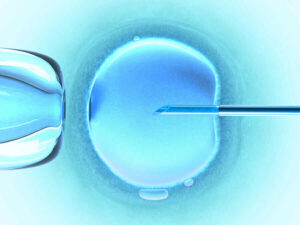
In many modern IVF cycles, ICSI Treatment.
ICSI involves injecting a single sperm directly into the egg.
This technique is especially useful in:
- Male infertility
- Previous fertilization failure
- Low sperm count
- Poor motility
IMSI
Selected patients may benefit from IMSI Treatment, which uses advanced sperm magnification for sperm selection.
Step 5: Embryo Culture and Development
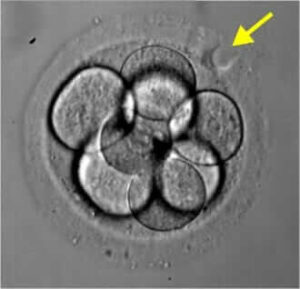
Following fertilization, embryos are monitored in the IVF laboratory.
Embryologists evaluate:
- Cell division
- Growth patterns
- Morphology
- Developmental progression
Modern IVF programs often culture embryos to the blastocyst stage.
Patients can learn more through our guide on Blastocyst Culture of Embryos.
Why Blastocyst Culture Is Important
Blastocyst development allows:
- Better embryo selection
- Improved implantation potential assessment
- Higher confidence during embryo transfer planning
Additional Procedures During Embryo Culture
Selected patients may undergo:
- PGT-A
- Embryo freezing
- Assisted hatching
- Advanced embryo assessment
Step 6: Embryo Transfer
The final major step of a single IVF cycle is embryo transfer.
This procedure involves placing the selected embryo into the uterus using a thin transfer catheter under ultrasound guidance.
Unlike egg retrieval, embryo transfer generally:
- Does not require anesthesia
- Is relatively painless
- Takes only a few minutes
- Allows patients to return home shortly afterward
The objective is simple:
Place the embryo in the optimal location within the uterus to maximize implantation potential.
Fresh vs Frozen Embryo Transfer
Embryo transfer may occur in two ways:
Fresh Embryo Transfer
The embryo is transferred during the same IVF cycle.
Frozen Embryo Transfer (FET)
The embryo is frozen and transferred during a later cycle.
The decision depends on:
- Hormonal levels
- Uterine readiness
- Risk of OHSS
- PGT-A plans
- Individual fertility factors
What Happens After Embryo Transfer?
The period following embryo transfer is often called the “two-week wait.”
During this phase:
- Progesterone support continues
- Implantation may occur
- Pregnancy testing is delayed until the appropriate time
Most patients undergo a blood pregnancy test approximately 10–14 days after transfer.
Success Factors During a Single IVF Cycle
Many patients assume success depends only on embryo transfer.
In reality, every stage of the IVF process contributes to the final outcome.
Female Age
Age remains one of the strongest predictors of IVF success.
Ovarian Reserve
The number of available eggs influences treatment opportunities.
Egg Quality
Healthy eggs contribute to healthy embryo development.
Sperm Quality
Male fertility remains equally important.
Embryo Quality
The quality of embryo development significantly affects implantation potential.
Chromosomal Health
Many failed implantations result from chromosomal abnormalities.
Selected patients may benefit from PGT-A Testing.
Uterine Receptivity
The uterine lining must be prepared appropriately for implantation.
Laboratory Quality
Embryology expertise is one of the most important components of successful IVF treatment.
Risks Associated With an IVF Cycle
IVF is generally considered safe, but patients should understand potential risks.
Ovarian Hyperstimulation Syndrome (OHSS)
A rare complication caused by excessive ovarian response.
Medication Side Effects
Possible symptoms include:
- Bloating
- Headache
- Mood changes
- Abdominal discomfort
Procedure-Related Risks
Egg retrieval carries small risks of:
- Bleeding
- Infection
- Injury to surrounding structures
Multiple Pregnancy
The risk depends on the number of embryos transferred.
Modern fertility care increasingly emphasizes single embryo transfer when appropriate.
Advantages of IVF
Highest Success Rates Among Fertility Treatments
IVF offers some of the highest pregnancy rates among available fertility treatments.
Bypasses Multiple Fertility Barriers
IVF can overcome:
- Blocked tubes
- Severe male infertility
- Endometriosis-related infertility
- Unexplained infertility
Allows Advanced Testing
IVF enables:
- PGT-A
- Embryo freezing
- Fertility preservation
- Advanced embryo selection
Personalized Treatment
Modern IVF protocols are highly individualized.
Limitations of IVF
Patients should maintain realistic expectations.
Pregnancy Is Not Guaranteed
No fertility treatment offers a 100% success rate.
Emotional Demands
The IVF journey can be emotionally challenging.
Financial Considerations
Treatment requires financial planning.
Biological Factors Remain Important
Even advanced technology cannot completely overcome age-related reproductive decline.
IVF Success Rates
One of the most frequently asked questions is:
“What is the success rate of a single IVF cycle?”
The answer depends on multiple variables.
Success rates are influenced by:
- Female age
- Ovarian reserve
- Embryo quality
- Sperm quality
- Uterine health
- Fertility diagnosis
- Laboratory quality
Generally, younger women tend to have higher success rates because chromosomal abnormalities occur less frequently.
The most important point is that IVF success is individualized rather than universal.
How to Improve IVF Outcomes
Seek Treatment Early
Early fertility evaluation often provides more options.
Follow Medication Instructions Carefully
Timing is critical throughout IVF treatment.
Optimize Lifestyle Factors
Healthy habits support reproductive health.
Manage Weight Appropriately
Weight optimization may improve outcomes.
Address Underlying Medical Conditions
Conditions such as:
- Thyroid disorders
- Endometriosis
- Diabetes
- Vitamin deficiencies
should be appropriately managed.
Choose an Experienced Fertility Centre
Embryology expertise and individualized treatment planning matter significantly.
Patients can explore available fertility services through our comprehensive Treatment Hub.
Clinical Insight From Dr. Pranay Shah
One of the most common concerns I hear from patients is that IVF seems complicated and intimidating.
In reality, IVF is simply a series of carefully coordinated steps designed to maximize the chances of achieving pregnancy.
What I emphasize to patients is that every stage of the cycle provides valuable information.
The number of follicles, eggs retrieved, fertilization rates, embryo development patterns, and implantation outcomes all help us understand the patient’s fertility profile and guide future treatment decisions.
Many successful IVF pregnancies occur because treatment is individualized rather than standardized.
No two fertility journeys are exactly alike.
Patients seeking personalized fertility guidance can learn more about Dr. Pranay Shah and our fertility services in Ahmedabad.
Common Myths About IVF
Myth 1: IVF Always Results in Pregnancy
Reality:
No fertility treatment can guarantee pregnancy.
Myth 2: IVF Is Only for Women
Reality:
Male fertility factors contribute significantly to IVF treatment decisions.
Myth 3: IVF Always Produces Twins
Reality:
Single embryo transfer is increasingly common.
Myth 4: IVF Is Extremely Painful
Reality:
Most patients tolerate IVF treatment very well.
Myth 5: Embryo Transfer Guarantees Implantation
Reality:
Successful implantation depends on multiple biological factors.
Recent Advances in IVF
Modern IVF continues to evolve rapidly.
Important developments include:
- Blastocyst culture
- Vitrification technology
- PGT-A testing
- Advanced sperm selection
- IMSI
- Time-lapse embryo monitoring
- Personalized embryo transfer protocols
- Fertility preservation programs
These advances continue to improve reproductive outcomes worldwide.
Frequently Asked Questions
What are the six major steps of IVF?
The six major steps are ovarian stimulation, follicular monitoring, egg retrieval, fertilization, embryo culture, and embryo transfer.
How long does an IVF cycle take?
A typical IVF cycle generally takes about 4–6 weeks.
Is IVF painful?
Most patients tolerate IVF treatment well. Egg retrieval is usually performed under sedation.
How many injections are needed during IVF?
The number varies depending on the treatment protocol.
What happens after egg retrieval?
The eggs are fertilized and monitored during embryo development.
Why is ICSI used in IVF?
ICSI Treatment may improve fertilization in selected cases of male infertility.
What is blastocyst culture?
Learn more about Blastocyst Culture of Embryos and its role in embryo selection.
Can embryos be frozen?
Yes. Modern vitrification allows highly effective embryo freezing.
What is PGT-A?
PGT-A Testing evaluates embryos for chromosomal abnormalities.
How many embryos are transferred?
The number depends on age, embryo quality, and clinical circumstances.
Is embryo transfer painful?
Most patients experience minimal discomfort.
What is the two-week wait?
The period between embryo transfer and pregnancy testing.
Can IVF work after failed IUI?
Yes. Many couples proceed to IVF after unsuccessful IUI Treatment.
How can I improve IVF success?
Individualized treatment, healthy lifestyle habits, and appropriate fertility care may improve outcomes.
Where can I learn more about IVF?
Visit our IVF Treatment Page, browse our Fertility Videos, or explore our Blog Centre.
Key Takeaways
- A typical IVF cycle consists of six major stages.
- Ovarian stimulation is the first step.
- Egg retrieval is performed after follicular maturation.
- Fertilization occurs in a specialized laboratory.
- Embryos are cultured before transfer.
- Blastocyst development helps embryo selection.
- Embryo transfer is the final stage of the IVF cycle.
- Success depends on age, embryo quality, uterine health, and laboratory expertise.
- IVF remains one of the most effective fertility treatments available.
Conclusion
Understanding the six important steps of a single IVF cycle helps patients approach fertility treatment with greater confidence and clarity. From ovarian stimulation and egg retrieval to embryo culture and transfer, each stage plays a critical role in maximizing the chances of pregnancy.
Modern IVF has evolved significantly through advances such as ICSI, IMSI, blastocyst culture, embryo freezing, and genetic testing. These technologies allow fertility specialists to personalize treatment and optimize outcomes for each patient.
While IVF success can never be guaranteed, understanding the process empowers patients to make informed decisions and actively participate in their fertility journey.
For additional fertility education, explore our Treatment Hub, browse our Fertility Videos, or visit our Blog Centre.
About Dr. Pranay Shah
Dr. Pranay Shah is the Director and Chief Fertility Consultant at Wellspring IVF & Women’s Hospital, Ahmedabad. With more than 15 years of experience and over 6000 IVF success stories, he specializes in IVF, ICSI, IMSI, recurrent IVF failure, fertility preservation, embryo selection, and complex infertility management.
Medical Disclaimer
This article is intended for educational and informational purposes only and should not be considered medical advice, diagnosis, or treatment. Fertility recommendations vary between individuals. Please consult a qualified fertility specialist for personalized evaluation and treatment guidance.