Understanding IMSI Treatment
Learn from our experts and get inspired by real patient journeys
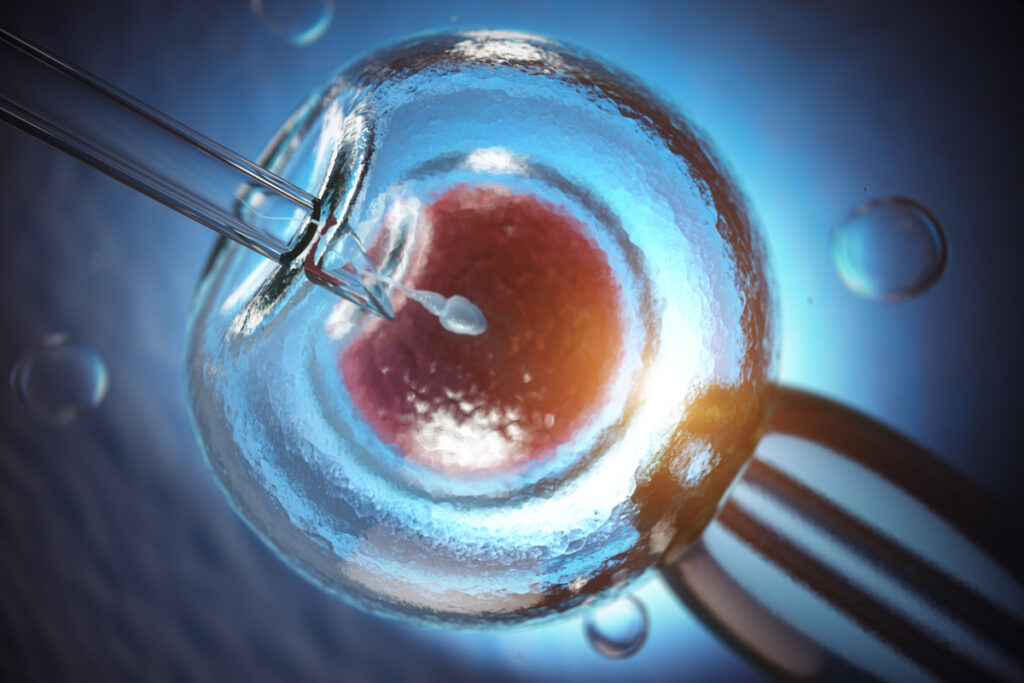
During a standard IVF treatment cycle, the ovaries are stimulated to produce multiple eggs. After fertilisation using ICSI, multiple embryos typically develop in the laboratory. Most IVF protocols transfer one or two embryos into the uterus in a single cycle. The remaining healthy embryos — rather than being discarded — are cryopreserved (frozen) for future use.
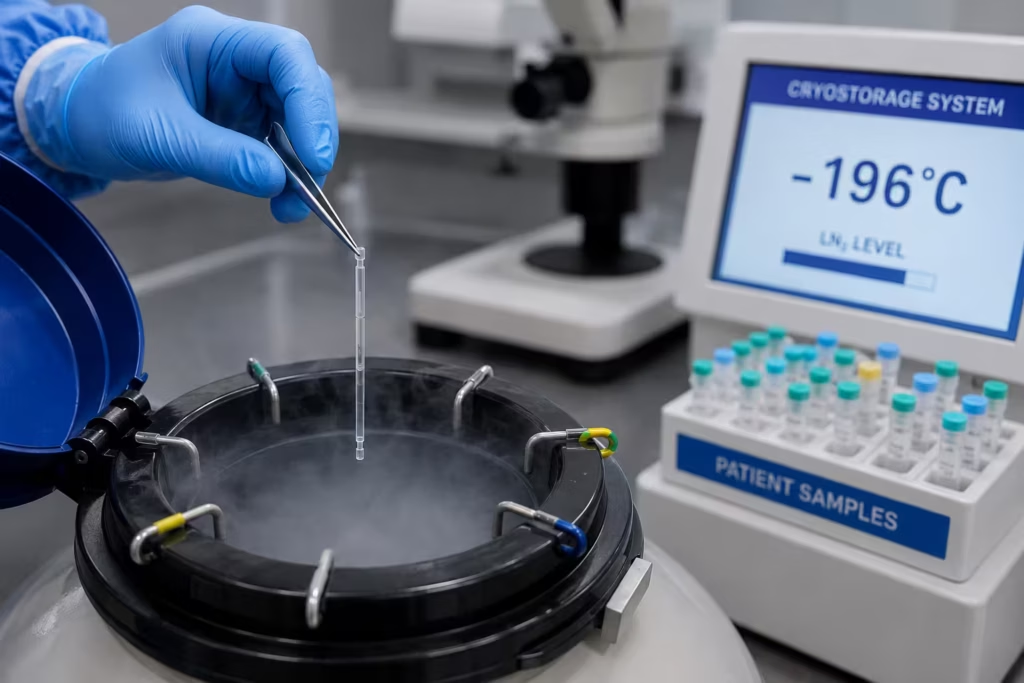
Embryo freezing, also called embryo cryopreservation, is the process of reducing the embryo to an inert, glass-like state by removing its cellular water and replacing it with a cryoprotectant solution, then plunging it into liquid nitrogen at –196°C in under one second. In this state, all biological activity ceases. Time, for that embryo, effectively stops.
Not all embryo freezing is equal. The method of freezing determines how many embryos survive when thawed and whether their developmental potential is preserved. Wellspring IVF uses exclusively Vitrification — the gold standard technique endorsed by ESHRE (European Society of Human Reproduction and Embryology) and ASRM (American Society for Reproductive Medicine).
| Parameter | Old Slow-Freeze Method | Vitrification (Wellspring Standard) |
|---|---|---|
| Cooling Rate | 0.3–2°C per minute (gradual) | >20,000°C per minute (ultra-rapid flash) |
| Ice Crystal Formation | Significant — primary cause of embryo damage | Zero — glass-like amorphous state achieved |
| Post-Thaw Embryo Survival | 60–75% | 95–99% (published clinical data) |
| Developmental Potential After Thaw | Reduced — ice damage to cell membranes | Comparable to fresh embryos |
| Blastocyst Freezing Suitability | Poor — high attrition | Excellent — Wellspring standard is Day-5 blastocyst freeze |
| ESHRE/ASRM Recommendation | No longer recommended | Gold standard since 2012 |
| Available at Wellspring? | No — fully phased out | Yes — exclusive standard protocol |


The most common reason for embryo freezing: you produced more high-quality embryos than were transferred in the fresh cycle. If your fresh embryo transfer results in a successful pregnancy, frozen embryos can be used for a second child years later — without any repeat stimulation, injections, or egg retrieval. If the fresh transfer does not succeed, frozen embryos give you additional attempts at a fraction of the full IVF cost.
This is not ‘storing leftovers.’ It is building a biological insurance policy from the reproductive potential you already created.
In some IVF cycles, Dr. Shah makes the deliberate decision to freeze all embryos and transfer none in the fresh cycle. This is known as a Freeze-All strategy. It is not a complication — it is a planned medical decision made for one of these reasons:
Published evidence (NEJM, 2018) shows Freeze-All strategies result in equivalent or superior live birth rates compared to fresh transfers in high-responder patients. At Wellspring, this decision is made transparently with the patient before retrieval if risk factors are identified.
Preimplantation Genetic Testing for Aneuploidies (PGT-A / PGS) requires a biopsy of the embryo (typically at blastocyst stage on Day 5), which is then sent to a specialist genetics laboratory. The results take 7–14 days. Since a fresh transfer cannot wait that long, all biopsied embryos must be vitrified immediately after the biopsy.
After genetic results are received, only chromosomally normal (euploid) embryos are selected for transfer in a dedicated FET cycle. This combination — PGT-A + Vitrification + FET — is the highest-evidence protocol for reducing miscarriage rates in recurrent IVF failure and advanced maternal age patients.
Read more about our PGS / PGD Genetic Testing service at Wellspring.
For couples who successfully achieve pregnancy on their first IVF attempt, frozen surplus embryos represent a unique opportunity: the chance to give that child a biological sibling years later, without enduring the physical and emotional cost of another complete IVF cycle. The embryos were created when you were younger — their biological age is permanently fixed at the moment of Vitrification.
Many of our patients return 3–5 years after their first child’s birth for a Frozen Embryo Transfer using their stored embryos. The success rates are often comparable to their original fresh transfer success, because the embryo quality was set at the time of freezing.
Every embryo frozen at Wellspring follows a strictly controlled, documented protocol. Here is what happens from the moment of egg retrieval to the final secure storage of your frozen embryos:
| Stage | What Happens | Timing |
|---|---|---|
| Egg Retrieval (OPU) | Eggs collected under sedation. Transferred to embryology lab within minutes. | Day 0 (Retrieval Day) |
| Fertilisation via ICSI | [object Object] — each mature egg individually injected with a single selected sperm. | Day 0 (same day) |
| Fertilisation Check | 14–16 hours post-ICSI, embryologist confirms fertilisation (2PN stage). Failed fertilisation embryos excluded. | Day 1 |
| Cleavage Stage Culture | Embryos cultured in time-lapse incubators. Cell division monitored without disturbing the embryo. | Days 2–3 |
| Blastocyst Development | [object Object] — embryos grown to Day 5/6 blastocyst. Only fully expanded blastocysts are graded and selected for freezing. | Days 5–6 |
| Embryo Grading & Selection | Gardner grading system applied. Only Grade AA, AB, BA blastocysts are frozen. Poor quality embryos are not vitrified. | Day 5–6 |
| PGT-A Biopsy (if planned) | Trophectoderm cells biopsied from each blastocyst. Sample sent to genetics lab. Embryo immediately vitrified. | Day 5–6 (if applicable) |
| Vitrification | Cryoprotectant loading, loading onto straw, plunge into liquid nitrogen at –196°C in <1 second. | Day 5–6 |
| Cryo-Storage | Sealed, labelled vitrification straws stored in dedicated liquid nitrogen tanks. Temperature logged continuously. | Day 5–6 onwards |
Earlier IVF protocols routinely froze embryos at the 8-cell stage on Day 3. Wellspring’s current standard is to culture all embryos to the blastocyst stage (Day 5) before freezing — whenever the embryo develops that far. Here is why:
Read our full page on Blastocyst Culture & Embryo Development for the complete clinical detail.
India’s Assisted Reproductive Technology (Regulation) Act, 2021 establishes the legal framework for embryo storage, consent, and disposal at registered ART clinics. Wellspring IVF is a registered ART clinic operating in full compliance with this Act. Here is what every patient needs to know:
| Rule / Provision | What It Means for You |
|---|---|
| Maximum Storage Duration | Embryos can be stored for up to 10 years from the date of cryopreservation. After 10 years, written consent must be renewed to continue storage beyond this period. |
| Consent Requirement | Both partners (in a couple) must provide written, informed consent before embryos are frozen, stored, or discarded. Consent forms are reviewed and signed before the IVF cycle begins. |
| Annual Renewal | Storage must be actively renewed on an annual basis. Wellspring contacts all couples with stored embryos for annual consent confirmation and storage fee payment. |
| Embryo Ownership | Embryos are the joint legal property of the couple who created them. In the event of separation, divorce, or death, legal provisions of the ART Act apply. Patients are advised to plan ahead in their consent documentation. |
| Disposal / Discontinuation | If a couple decides not to use or continue storing their embryos, they may consent to discontinuation of storage. Embryos are then disposed of according to the ART Act protocol. No embryos are discarded without explicit patient consent. |
| ART Bank — Donation | If patients wish to donate surplus embryos to another couple, this must be conducted through a registered ART Bank in compliance with voluntary donation rules under the ART Act. Wellspring does not operate this service directly; we refer to registered ART Banks as required. |
| Clinic Registration | Wellspring IVF & Women’s Hospital is a registered ART clinic under the National Registry of Banks and Clinics of India (NRBCI), as required by the ART Act 2021. |
“We discuss embryo storage consent in detail before every IVF cycle — not after. Patients need to understand their options for surplus embryos before we begin, because the decisions made at that point affect what happens years down the line. There are no difficult decisions if you have already thought them through calmly, before the cycle begins.”
After 5 years of marriage and visiting many places, when we came here, we decided on the right guidance here that we will get the ivf procedure done from here, today we have 10 days of treatment. Due to the convenience, arrangement and facility o...
My experience with wellspring hospital is very good .their staff is very supportive. Dr. Pranay is very good and professional.100% transparency at every stage. No last minute surprises.Once again thank you so much to the all team. Highlly recomme...
Wellspring IVF & women hospital is one of the best IVF center in India where me like other infertile Indian and foreigner couples fulfill their dreams of having a healthy baby.Dr Pranay Shah has deep knowledge and skill in his work with positive ...
Such a nice experience at well spring. And we get A childhope from this well spring hospital. Thanks a lot all members of hospital and specially to Dr. Pranay Shah sir
This is one of the best ivf clinic in Ahemdabad, Dr.Pranay shah and his team are highly professional and knowledgeable, and his staff members are too good and supportive. Dr. Pranay shah is result oriented and confident, and gives right instructi...
We were facing some difficulties related pregnancy and we got reference of Wellspring Hospital. We thank God that we found such a talented and knowledgeable Dr. Pranay Sir. The most thing we like about him is the way of treatment he follows. I str...
I've been blessed with two daughters by the treatment given by Dr. Pranay Shah the services given to me were comforting and caring.
This is one of the best hospital in ivf treatment with highest possibility of success, best supportive doctor and staff, thanks and recommended all to visit once
No words are enough to express my gratitude . Thank you for making our dream comes true. You are extraordinary doctor as well as extraordinary human being also.Again thank you so much Dr.Pranay Shah and your team. Best ever doctor I have meet in ...
Great experience with great doctor and very supportive after care facilities. Dr. Shah was not only helpful with numerous questions that we asked for around 6 months before we started the treatment but is also helping us now. He has been very help...
We were looking for a good fertility center we came across some good reviews of Wellspring Spring Ivf Hospital. We decided and visited the hospital and with in no time the process was completed and in first attempt only the result was positive?. ...
It has been one of the best choices that I could have made. Since researching Wellspring on Google till now the end of complete IVF cycle it has been a wonderful experience. I could have gone to biggies referential IVF Centres but I am sure experi...
We had been very desperate to have a child. Visited many IVF centers in India for treatment. But did not get any positive result. Visited the Best IVF Center in Ahmedabad Wellspring IVF and Women's hospital after seeing good reviews. Happy to sa...
Wellspring IVF & Women's Hospital is best IVF Center in Ahmedabad. Best thing, we got positive result in Fist IVF Cycle. Second best thing, Doctor has told us exact amount of Cost of each IVF Cycle before start of treatment so there would be no en...
Me and my husband are very glad we chose to come here for treatment. I would highly recommend Dr. Shah and his team at the Wellspring IVF and Women's hospital to anyone wanting to reach their dream of becoming parents. His medical knowledge and p...
No words are enough to express my gratitude . Thank you for making our dream comes true. You are extraordinary doctor as well as extraordinary human being also.Again thank you so much Dr.Pranay Shah and your team.
Excellent IVF Center. Friendly nature all staff & Doctor. Excellent Treatment for the Doctor. Thanks Wellspring IVF Fullfil our Dreams.
What to say about dr pranay sir Very good human being along with very good doctor Always showers positivity on us Solves every small small queries with open heart and big smile Approachable 24*7 I will suggest everyone to consult at least once if ...
The question patients ask most: ‘What are the chances that my frozen embryo will survive and result in a pregnancy?’ Here is an honest, evidence-based answer:
| Stage | Rate (Vitrification) | What This Means |
|---|---|---|
| Post-Thaw Embryo Survival | 95–99% | Nearly every Vitrified embryo survives the thaw. Ice-crystal damage is eliminated by Vitrification. |
| Post-Thaw Re-expansion (Blastocysts) | 90–95% | Blastocysts that survive the thaw typically re-expand within 1–2 hours, confirming viability for transfer. |
| Implantation Rate per FET (all ages) | 40–55% | Each individual blastocyst transfer has approximately this chance of implanting in a prepared uterus. |
| Clinical Pregnancy Rate per FET Cycle | 50–60% | A clinical pregnancy (heartbeat confirmed at 6–7 weeks) is achieved in this proportion of FET cycles. |
| Live Birth Rate per FET (under 35) | 45–55% | The final outcome that matters — a baby born healthy. Age at time of freezing is the primary variable. |
| Live Birth Rate per FET (35–40) | 35–45% | Success rates remain significant — and importantly, embryo biological age is fixed at the time of freezing. |
A counterintuitive but well-documented finding in IVF research: Frozen Embryo Transfers frequently achieve equal or higher success rates than fresh transfers in the same patients. The reason: in a fresh transfer, the uterus has been through a stimulation cycle. Elevated estrogen and progesterone levels during stimulation can create a sub-optimal implantation environment. A dedicated FET cycle allows the endometrium to be prepared separately, in its most receptive state, without the interference of stimulation medications.
Read about our full Frozen Embryo Transfer (FET) treatment protocol at Wellspring.
At Wellspring IVF, embryo freezing is not a separate ‘add-on surprise.’ In most IVF cycles where surplus embryos are available, the decision to freeze is made as part of the planned cycle. Here is a transparent breakdown of the costs involved:
| Component | What It Covers | Approximate Cost (INR) |
|---|---|---|
| Embryo Vitrification (per embryo batch) | Embryologist time, cryoprotectant preparation, loading onto straws, plunge into liquid nitrogen | ₹15,000 – ₹25,000 (per freeze session) |
| Blastocyst Culture (if not already in IVF package) | Extended culture to Day 5/6 to reach blastocyst before freezing | ₹10,000 – ₹20,000 |
| First Year Cryo-Storage | Storage of frozen embryos in monitored liquid nitrogen tank — all labelled straws | ₹10,000 – ₹15,000 per year |
| Annual Storage (subsequent years) | Maintenance, monitoring, consent renewal | ₹8,000 – ₹12,000 per year |
| Frozen Embryo Transfer (FET) Cycle | Separate procedure — uterine preparation, embryo thaw, transfer, monitoring. Full detail on FET page. | ₹30,000 – ₹60,000 (FET cycle only) |
| PGT-A Biopsy + Genetic Testing (if applicable) | Embryo biopsy, shipping to genetics lab, chromosomal analysis | ₹40,000 – ₹80,000 additional |
The most significant financial benefit of embryo freezing is what it avoids on a subsequent attempt. A complete fresh IVF cycle costs ₹1,00,000 – ₹2,50,000 including medications. A Frozen Embryo Transfer (FET) using already-frozen embryos costs approximately ₹30,000 – ₹60,000 — a fraction of the total — because the stimulation phase (and its associated medication costs) is entirely eliminated.
For couples who require multiple IVF attempts, banking embryos from the first cycle is almost always the most cost-effective long-term strategy.
Published data shows embryos can be stored indefinitely at –196°C without meaningful quality degradation. Successful pregnancies from embryos stored for 20+ years have been documented in international literature. India’s ART Act 2021 sets a maximum of 10 years per consent period, with written renewal required to continue beyond that. The biological age of the embryo is permanently fixed at the moment of Vitrification — time in storage does not age them further.
You have complete control over your stored embryos. Options under the ART Act 2021 include: continued storage for a future second child, discontinuation of storage (with formal written consent for disposal), or discussion with the clinic about donation through a registered ART Bank — which must be voluntary under the Act. No embryos are used, discarded, or donated without your explicit written consent.
Yes — and in many clinical situations, FET outcomes are equal to or better than fresh transfers. The reason is endometrial receptivity: a dedicated FET cycle allows the uterus to be prepared without the hormonal interference of stimulation medications. Multiple large RCTs, including a landmark 2018 New England Journal of Medicine study, have confirmed this. Dr. Shah will advise whether a fresh or frozen transfer is appropriate for your specific clinical situation.
With Vitrification, the post-thaw survival rate is 95–99% for blastocyst-stage embryos. This means that in the vast majority of cases, every frozen embryo survives the thaw intact. The rare exceptions are embryos that had underlying quality issues not detectable by morphological grading at the time of freezing. This is precisely why Wellspring only freezes Grade AA, AB, or BA blastocysts — quality selection before freezing maximises survival after thawing.
Yes. Each frozen embryo represents an independent transfer opportunity. If a FET attempt with one embryo does not result in a clinical pregnancy, the next frozen embryo can be used in the following FET cycle (typically the next menstrual cycle). This is one of the most significant advantages of successful embryo banking — multiple attempts at a fraction of the cost of a new full IVF cycle.
Wellspring follows a strict double-witness protocol for every embryology procedure — including Vitrification. Each embryo’s identity is confirmed by two embryologists at every step: labelling, loading, sealing, and storage. Each vitrification straw carries a unique patient identifier. The chain of custody is documented and verified at every transition point. Embryo mix-ups at accredited, quality-controlled IVF labs are extremely rare and our double-witness protocol is specifically designed to prevent this.
A dedicated FET cycle at Wellspring costs approximately ₹30,000 – ₹60,000 — covering endometrial preparation medications, monitoring scans, embryo thaw, and the transfer procedure. This is significantly less than a complete fresh IVF cycle (₹1,00,000 – ₹2,50,000) because the ovarian stimulation phase is entirely eliminated. A full cost breakdown is provided at your FET consultation. For more detail on the FET procedure itself, visit our dedicated Frozen Embryo Transfer page.