Social Freezing
Career, education, the right relationship — life has not aligned with motherhood yet. You are healthy. You simply want time. The ideal age window is 28–35.
There are three broad groups of women who benefit most from egg freezing — and each has a different urgency and clinical approach.
The single most important variable in egg freezing success is not the technology — it is your age at the time of freezing. Eggs frozen at 30 are biologically younger than eggs frozen at 38, and that biological age is permanently preserved the moment vitrification occurs.
| Age at Freezing | Egg Quality | Expected Eggs Retrieved | Recommended? | Dr. Shah’s Note |
|---|---|---|---|---|
| Under 30 | Excellent | 12–20+ per cycle | Ideal — long runway ahead | Best outcomes. Consider if you have any concerns about timeline. |
| 30–34 | Very Good | 10–15 per cycle | Optimal window | The clinical sweet spot. High quality eggs, good numbers. Act now. |
| 35–37 | Good to Moderate | 8–12 per cycle | Still very effective | May need 1–2 cycles to reach target egg count. Don’t delay further. |
| 38–40 | Declining | 5–10 per cycle | Possible, lower efficiency | Multiple cycles likely needed. Discuss realistic expectations with Dr. Shah. |
| Over 40 | Significantly Reduced | 3–7 per cycle | Case by case basis | Success rates drop sharply. Donor eggs via ART Bank may be a parallel discussion. |
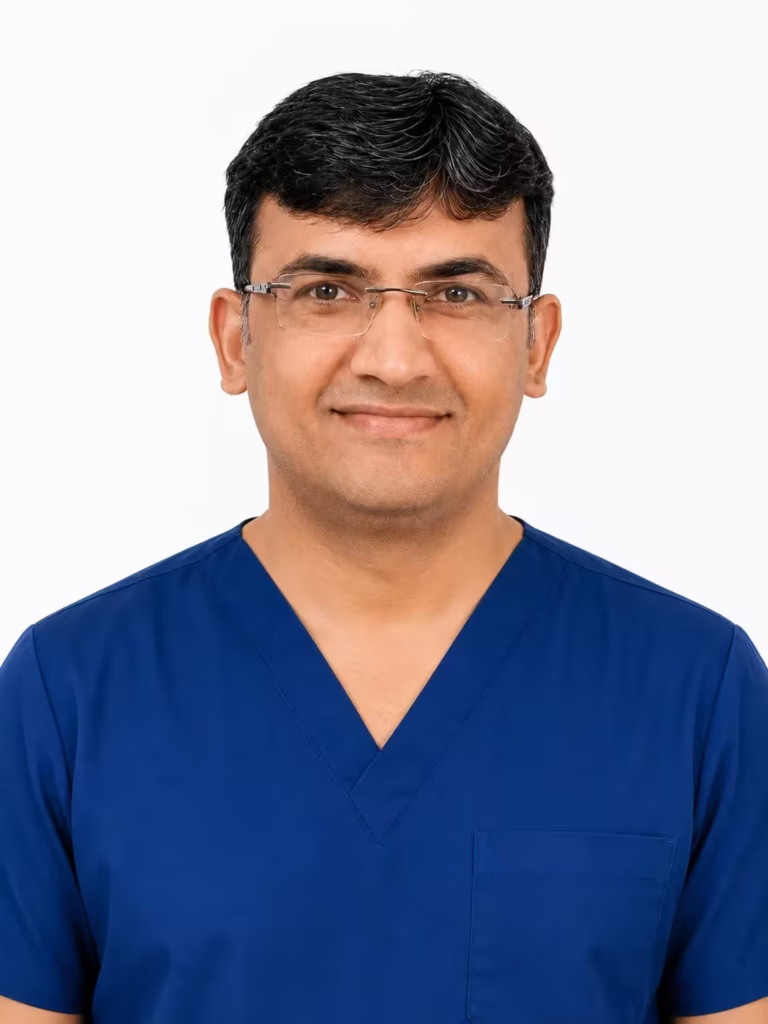
Dr. Pranay Shah on Age & Egg Freezing: “The women who benefit most from egg freezing are those who act before they feel the urgency. By the time most women feel the biological clock, the optimal window has already partially closed. The right time to freeze eggs is usually two to three years before you think you need to.”
The egg freezing process mirrors the first half of an IVF treatment cycle. The key difference: instead of fertilising the retrieved eggs immediately, we preserve them in their unfertilised state using Vitrification. Here is exactly what to expect from Day 1 to egg storage.
Dr. Pranay Shah will review your complete hormonal profile before recommending any stimulation protocol. Key tests include:
These results define your stimulation protocol — the type, dose, and duration of injections. No two protocols are identical. Wellspring does not use a one-size-fits-all approach.
Injections (FSH / LH analogues) are self-administered daily at home — typically for 10–12 days. These gently stimulate multiple follicles to grow simultaneously, where normally only one follicle matures per month. Monitoring during this phase includes:
Our embryologists coordinate directly with our pharmacy for all injection supplies. Detailed instruction is provided — most women manage the injections confidently by Day 3.
When follicles reach 18–20mm in size — indicating mature eggs — a single ‘trigger’ injection (hCG or GnRH agonist) is administered. Egg retrieval occurs exactly 35–36 hours later.
The retrieval procedure itself (Ovum Pick-Up / OPU) takes 20–30 minutes under light intravenous sedation. A fine needle guided by ultrasound retrieves eggs directly from each follicle through the vaginal wall. There are no incisions. You rest for 2–4 hours and are discharged the same day.
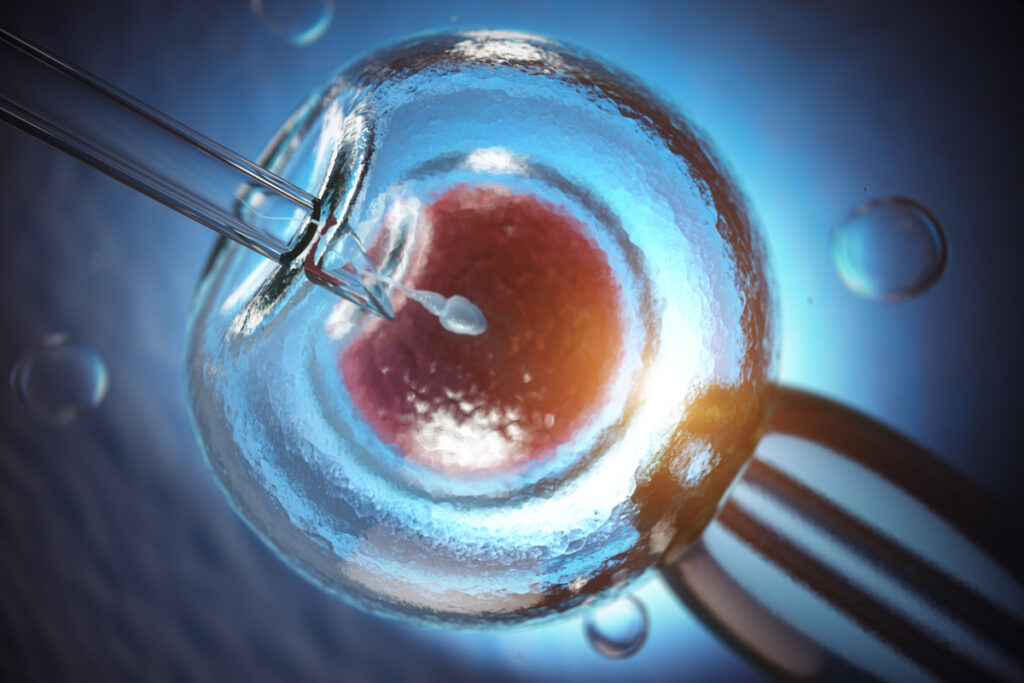
This is where Wellspring’s advanced embryology team and technology makes the critical difference. Within minutes of retrieval, mature (MII) eggs are dehydrated and loaded with cryoprotectant, then plunged into liquid nitrogen at –196°C in under one second.
This is Vitrification — ‘glass-freezing’. Unlike older slow-freeze methods, Vitrification eliminates ice crystal formation. Ice crystals were the historic cause of egg damage during freezing. With Vitrification, published studies show 80–90% egg survival rates post-thaw — a dramatic improvement over slow-freeze, which produced survival rates of 50–60%.
Your eggs are stored in individually labelled vitrification straws within our dedicated cryo-storage tanks, maintained at a constant –196°C.
Your frozen eggs can be stored safely for many years. When you decide you are ready to use them, the process involves thawing the eggs, fertilising them using ICSI (Intracytoplasmic Sperm Injection), allowing the resulting embryos to develop to blastocyst stage, and then performing a Frozen Embryo Transfer (FET). At that point, your complete IVF treatment cycle begins.
Learn how Egg Freezing works, when it may be recommended, and what couples can expect during the process.
Learn how egg freezing helps preserve fertility and when it may be recommended for future pregnancy planning.
| Parameter | Old Slow-Freeze Method | Vitrification (Wellspring Standard) |
|---|---|---|
| Freezing Speed | Hours (gradual) | < 1 second (ultra-rapid) |
| Ice Crystal Formation | Yes — major cause of egg damage | None — complete elimination of crystals |
| Post-Thaw Egg Survival | 50–60% | 80–90% (published clinical data) |
| Fertilisation Rate of Thawed Eggs | Lower | Comparable to fresh eggs |
| Is It Available at Wellspring? | No — fully phased out | Yes — standard protocol |
| ESHRE / ASRM Status | No longer recommended | Gold standard recommendation |







| Age at Freezing | Eggs Needed Per Baby (Target) | Why This Number? |
|---|---|---|
| Under 34 | 10–15 mature eggs | Higher quality means lower attrition at thaw, fertilisation, and blastocyst formation. |
| 34–37 | 15–20 mature eggs | Moderate quality decline means extra eggs create a practical safety buffer. |
| 38–40 | 20–25 mature eggs | Significant quality decline means higher attrition. Multiple cycles may be needed. |
Not every frozen egg becomes a baby. Each step of the future process involves some natural attrition:
Example: A 33-year-old who freezes 12 eggs statistically has 9–10 surviving post-thaw, 7–8 fertilising, 3–5 blastocysts, giving 2–3 embryo transfers. This is why Dr. Shah recommends a target, not a minimum.
| Component | What It Includes | Approximate Cost (INR) |
|---|---|---|
| Stimulation Medications (Injections) | FSH, LH analogues, trigger injection — depends on protocol and required dose | ₹40,000 – ₹70,000 |
| Monitoring (Ultrasounds + Bloodwork) | All scans and hormone tests during stimulation | ₹8,000 – ₹15,000 |
| Egg Retrieval (OPU Procedure) | OT time, anaesthesiologist, nursing, equipment | ₹30,000 – ₹45,000 |
| Embryology — Vitrification & Preparation | Embryologist fee, lab consumables, cryoprotectant preparation | ₹20,000 – ₹30,000 |
| First Year Cryo-Storage Fee | Storage of eggs in liquid nitrogen tank | ₹10,000 – ₹15,000 / year |
| Annual Storage (subsequent years) | Maintenance of stored eggs | ₹8,000 – ₹12,000 / year |
| Total (First Cycle, All-In Estimate) | Complete one-cycle cost including medication | ₹1,08,000 – ₹1,75,000 |
At Wellspring, we never quote a final cost before seeing your full hormonal baseline. A consultation is the first step — call 9099946050 to schedule.
Time is the critical factor. Oncofertility cycles can be initiated within 2 weeks of diagnosis in most cases, even mid-cycle. Dr. Pranay Shah coordinates directly with oncologists.
We have helped cancer survivors return for their frozen eggs years later and achieve pregnancy. This is why this service matters.
Our fertility specialists are committed to providing personalized, compassionate care with
the latest reproductive medicine techniques.


| Age at Egg Freezing | Post-Thaw Survival Rate | Fertilisation Rate | Live Birth Rate Per Transfer (Estimated) |
|---|---|---|---|
| Under 35 | 85–92% | 75–85% | 40–55% per transfer |
| 35–37 | 80–88% | 70–80% | 30–45% per transfer |
| 38–40 | 75–85% | 65–75% | 20–35% per transfer |
| Over 40 | 70–80% | 60–70% | 15–25% per transfer |
Egg freezing is not a procedure that should be chosen on price alone. The quality of the embryology lab, the consistency of the cryo-storage system, and the experience of the team managing your retrieval directly determine how many of your eggs survive when you are ready to use them.
| Factor | Egg Freezing (Oocyte) | Embryo Freezing |
|---|---|---|
| Who It’s For | Single women; women without a committed partner | Couples undergoing IVF together |
| Sperm Required at Time of Freezing? | No | Yes — fertilisation happens before freezing |
| Flexibility | Maximum — partner can be anyone in the future | Limited — embryo is legally joint property |
| Legal Status in India (ART Act 2021) | Permitted for single women | Requires couple consent; legal implications in separation |
| Success Rates | Slightly lower per egg due to thaw + fertilisation attrition | Higher per frozen embryo because fertilisation has already occurred |
| Dr. Shah’s Recommendation | For single women — usually egg freezing | For couples in IVF — embryo freezing post-retrieval |
If you are in a committed relationship and undergoing fertility treatment together, read more about our dedicated Embryo Freezing service and the complete IVF treatment process at Wellspring.
The daily stimulation injections cause minimal discomfort — most patients compare them to a small pinch. The egg retrieval itself is done under IV sedation, so you will not feel the procedure. Mild bloating and pelvic heaviness for 2–3 days post-retrieval is common and expected as the ovaries return to normal size.
From your first consultation to egg retrieval, the process takes approximately 3–4 weeks — one full menstrual cycle. Stimulation injections are given over 10–12 days within that window. After retrieval, Vitrification happens the same day. You are done within the month.
Yes — and for women over 35 or with a lower ovarian reserve, Dr. Shah often recommends banking eggs from 2–3 cycles before considering the target count reached. Each cycle is independent and can be done in consecutive months. Cumulative banking is a valid and commonly used strategy.
Published data shows eggs can remain viable in cryostorage for many years without significant quality degradation. Women have achieved successful pregnancies from eggs stored for 10+ years. The biological age of the egg is permanently fixed at the moment of Vitrification — time in storage does not age them further.
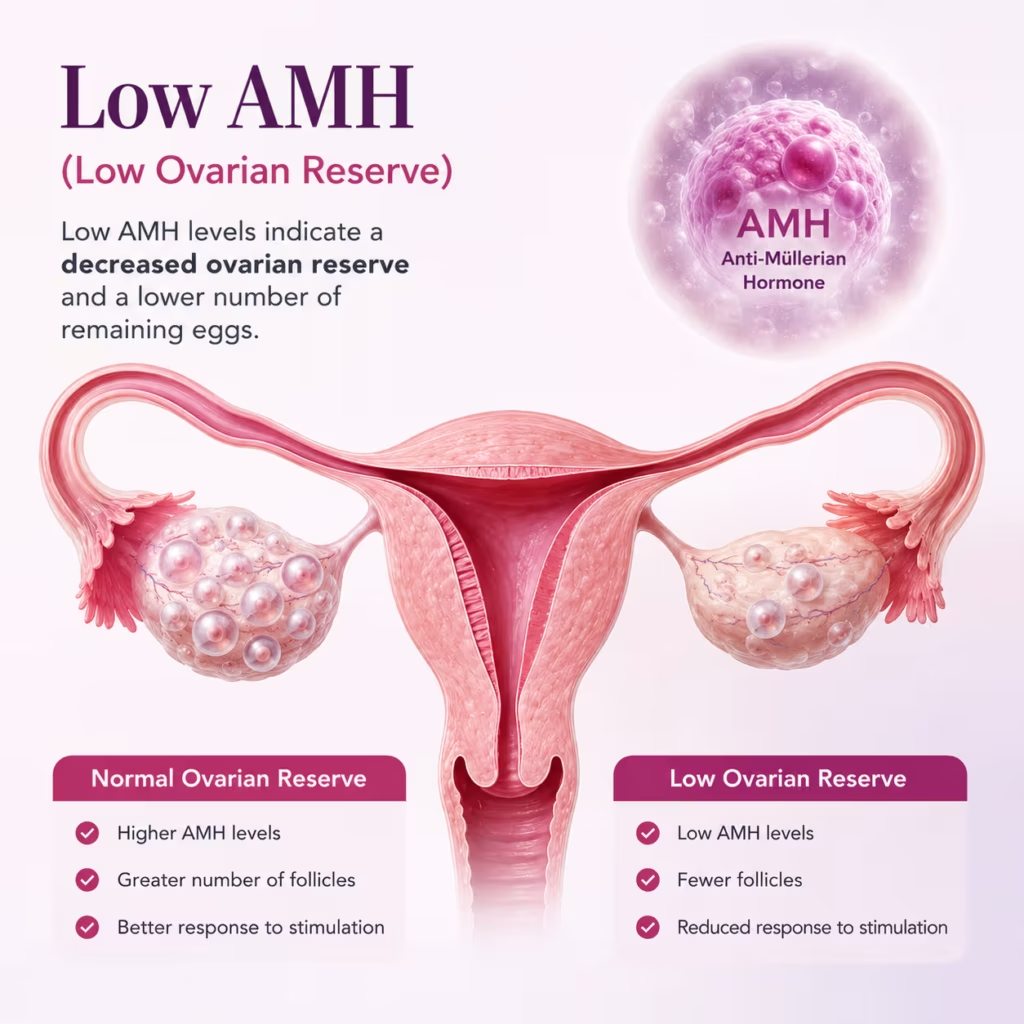
No. The eggs retrieved during a freezing cycle are those that would have been naturally reabsorbed in that month’s cycle anyway. Stimulation medications recruit multiple follicles from the monthly cohort — they do not draw from your future reserve. Your baseline AMH and remaining follicle count are unaffected by the procedure.
Medical egg freezing for oncofertility (cancer-related) is increasingly recognised by some insurers — check your specific policy. Social egg freezing is currently not covered by insurance in India. At Wellspring, we offer transparent pricing and can discuss phased payment approaches during your consultation.
There is no absolute cut-off, but clinical outcomes decline significantly after 40. Egg quality and quantity both reduce with age — this is biology, not opinion. If you are in your mid-to-late 30s and considering egg freezing, the most important step you can take is a consultation this week, not next year. The earlier you have baseline data, the better-informed your decision will be.