15+ Years Experience 6,000+ IVF Successes 70%+ Success Rate Book Your Consultation Today 15+ Years Experience 6,000+ IVF Successes 70%+ Success Rate Book Your Consultation Today
9099946050Book Consultation

TESE & PESA in Ahmedabad

Surgical Sperm Retrieval for Azoospermia, Bypassing the Blockage. Finding the Source.
The day a man receives the words 'no sperm found in the ejaculate' is one of the most devastating moments in a couple's fertility journey. Azoospermia — the complete absence of sperm in the semen — affects approximately 1% of all men and represents the most severe form of male factor infertility. Until relatively recently, it was considered an absolute barrier to biological fatherhood, but advanced procedures like TESE & PESA in Ahmedabad have now made it possible for couples to conceive their own biological child.

Request a Free Callback

Your information is completely safe and confidential. By submitting, you agree to be contacted about your enquiry.
Treatment Overview

Azoospermia — When No Sperm Is Found in the Ejaculate

That is no longer true. TESE (Testicular Sperm Extraction) and PESA (Percutaneous Epididymal Sperm Aspiration) are surgical sperm retrieval techniques that bypass the ejaculate entirely — going directly to the source of sperm production in the testicles or epididymis. For men with obstructive azoospermia, sperm is retrieved in over 90% of cases. For many men with non-obstructive azoospermia, where the testes produce sperm in very small numbers, micro-TESE finds viable sperm in 40–60% of cases.

At Wellspring IVF & Women’s Hospital, Ahmedabad, surgical sperm retrieval is coordinated as a combined protocol with ICSI (Intracytoplasmic Sperm Injection) — the only fertilisation technique that can use the tiny quantities of surgically retrieved sperm. Under the direction of Dr. Pranay Shah, our team coordinates the complete male-surgical and IVF-laboratory pipeline — from sperm retrieval to embryo transfer — ensuring no step is lost.

If you or your partner has been told there is no sperm — this page is written for you. The diagnosis is not the end. In many cases, it is the beginning of a very specific treatment journey that ends with biological parenthood.

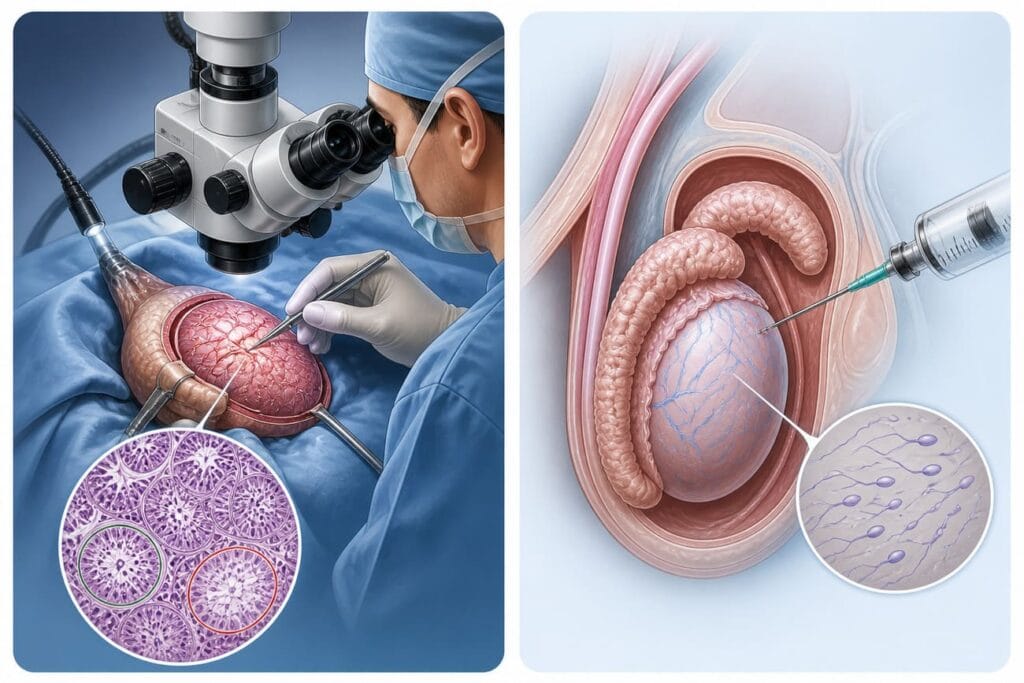
Illustration of Micro-TESE procedure showing microsurgical sperm retrieval from testicular tissue for male infertility treatment
Medical illustration of the Micro-TESE procedure used to retrieve sperm directly from the testicles in men with severe male infertility or azoospermia.

The Two Types of Azoospermia — The Distinction That Changes Everything

The treatment pathway, prognosis, and surgical technique for azoospermia are entirely determined by one fundamental question: is the azoospermia caused by a blockage, or by a failure of sperm production? Understanding this difference is the first and most important step in your evaluation.

Obstructive Azoospermia (OA)

The testes are producing sperm normally. The sperm simply cannot reach the ejaculate because of a physical blockage somewhere in the reproductive tract — in the vas deferens, epididymis, or ejaculatory ducts.
  • Prior vasectomy
  • Congenital Bilateral Absence of the Vas Deferens (CBAVD — associated with CFTR mutations in cystic fibrosis carriers)
  • Post-infection epididymal scarring (chlamydia, gonorrhoea, TB)
  • Surgical injury to the vas during hernia repair or orchidopexy

Non-Obstructive Azoospermia (NOA)

The reproductive tract is open, but the testes are not producing sperm in adequate numbers — or not producing it at all in the ejaculate. In some cases, tiny foci of active sperm production exist within the testis, but the quantities are so low that no sperm reaches the ejaculate.
  • Klinefelter syndrome (47,XXY)
  • Y-chromosome microdeletions (AZFa, AZFb, AZFc regions)
  • Cryptorchidism (undescended testes)
  • Prior chemotherapy or radiation
  • Hormonal disorders (elevated FSH)
  • Idiopathic (no identifiable cause)

The Diagnostic Steps to Classify Azoospermia

Before planning any surgical sperm retrieval procedure, a structured clinical evaluation is essential. This diagnostic roadmap allows us to confirm the diagnosis definitively and accurately classify the type of azoospermia, ensuring you receive the most targeted treatment approach.

1. Definitive Confirmation of Azoospermia

  • The Protocol: Two separate semen analyses, each including a meticulous examination of a centrifuged pellet.

  • Why It Matters: This step is mandatory to rule out severe oligospermia (an extremely low sperm count). Without high-speed centrifugation, rare sperm cells can easily be missed, leading to a misdiagnosis of complete azoospermia.

2. Comprehensive Hormonal Profile

  • The Protocol: Blood tests to evaluate key reproductive hormones, including FSH (Follicle-Stimulating Hormone), LH (Luteinizing Hormone), Testosterone, and Prolactin.

  • Why It Matters: Hormonal balance acts as a window into testicular function. For instance, significantly elevated FSH levels strongly point toward testicular production failure (Non-Obstructive Azoospermia or NOA). Conversely, normal FSH levels coupled with low semen volume frequently suggest a physical blockage, such as an ejaculatory duct obstruction.

3. Advanced Genetic Testing

  • The Protocol: Peripheral blood analysis for Karyotyping (chromosome analysis) and Y-chromosome microdeletion screening.

  • Why It Matters: Identifying the underlying genetic blueprint is crucial before selecting a surgical path. Specifically, microdeletions in the AZFa or AZFb regions carry a near-zero prognosis for successful sperm recovery. Knowing this information beforehand protects couples from undergoing unnecessary, invasive surgeries like micro-TESE when the biological probability is absent.

4. Testicular Volume Assessment

  • The Protocol: A detailed transscrotal ultrasound evaluation.

  • Why It Matters: Physical dimensions correlate directly with production capacity. A small testicular volume (typically <12 mL) heavily suggests reduced baseline production (NOA). On the other hand, normal testicular volume paired with normal FSH levels strongly favors an obstructive framework (Obstructive Azoospermia or OA).

5. CBAVD and Cystic Fibrosis Screening

  • The Protocol: Clinical examination of the scrotum, followed by CFTR gene mutation testing if the vas deferens cannot be palpated on both sides.

  • Why It Matters: Congenital Bilateral Absence of the Vas Deferens (CBAVD) is a known variant  (forme fruste) of Cystic Fibrosis. If CBAVD is identified, screening both partners for CFTR mutations is absolutely vital to understand and manage any genetic transmission risks before proceeding with assisted reproduction.

PESA vs TESE - Understanding Each Technique

The choice between PESA and TESE depends on your diagnosis, the likely location of sperm, and the surgical findings. Both techniques are performed under anaesthesia as day-care procedures — no overnight stay is required. Here is a clear explanation of each.

PESA - Percutaneous Epididymal Sperm Aspiration

PESA is the simplest form of surgical sperm retrieval and is the first-line technique for men with Obstructive Azoospermia — particularly those who have had a vasectomy or have epididymal blockage.

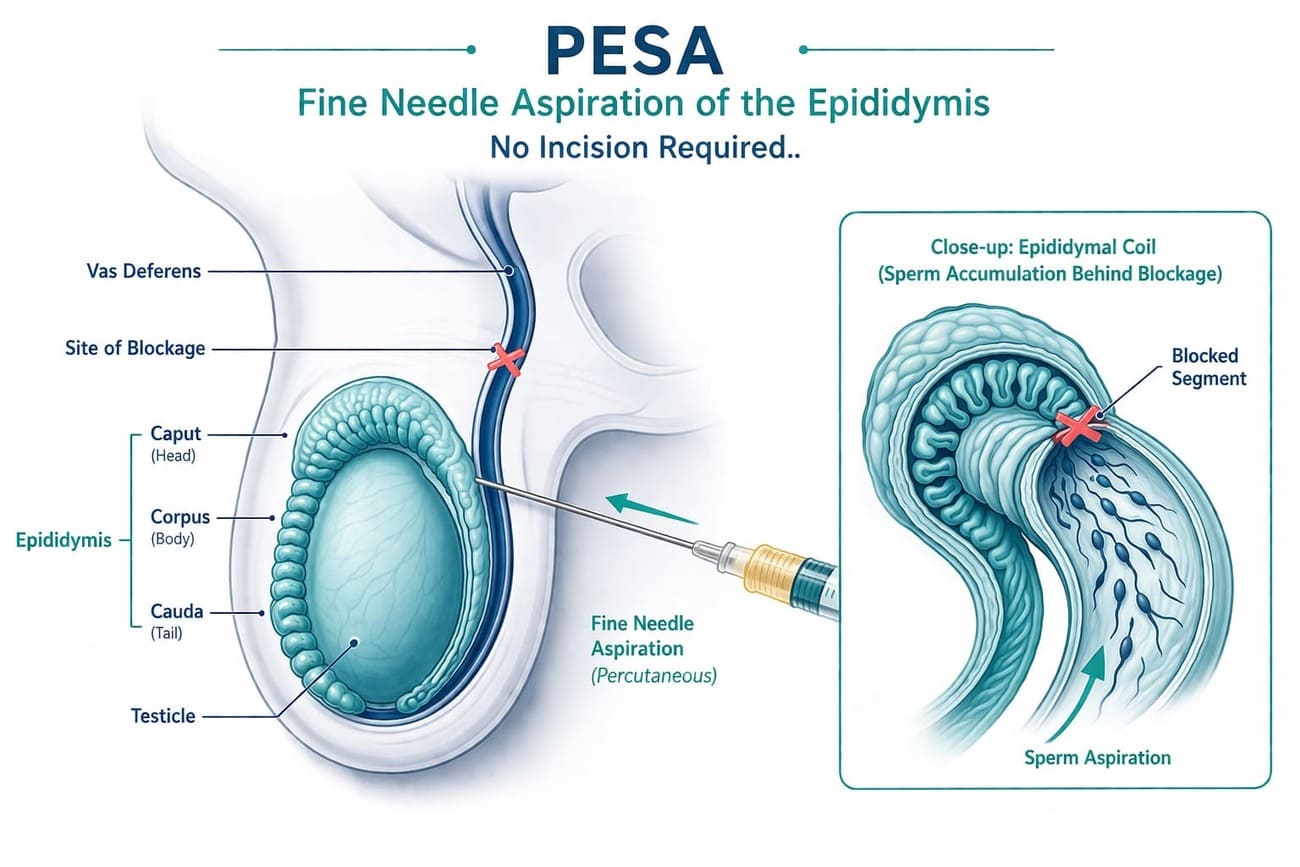
The epididymis — the coiled tube that sits on top of the testicle — is where sperm mature after being produced in the testes. In obstructive azoospermia, sperm builds up behind the blockage and accumulates in the epididymis in large numbers. PESA accesses this reservoir directly.

Medical illustration of PESA procedure showing fine needle sperm aspiration from the epididymis for male infertility treatment
Anatomical illustration of the PESA procedure demonstrating percutaneous epididymal sperm aspiration used in male infertility and azoospermia treatment.

PESA Procedure — Step by Step

  • Step 1: Local anaesthesia is administered to the scrotum — numbing the area thoroughly. A short-acting sedative may also be given for patient comfort. General anaesthesia is not required.
  • Step 2: A fine butterfly needle (23–25 gauge) is inserted percutaneously (through the skin, without an incision) directly into the epididymis. The term ‘percutaneous’ is important — there is no surgical cut.
  • Step 3: Gentle aspiration with a syringe draws epididymal fluid containing sperm into the needle. Multiple aspirations from different epididymal locations (caput, corpus, cauda) may be performed to maximise yield.
  • Step 4: The aspirated fluid is immediately handed to our embryology team in the adjacent IVF laboratory. An embryologist examines the sample under the microscope within minutes to confirm sperm presence, count, and viability.
  • Step 5: Once confirmed, the sperm is processed and used for ICSI on the partner’s retrieved eggs. Any excess viable sperm is cryopreserved (vitrified) for potential future cycles.
  • Step 6: The procedure is complete. No sutures are required. A small dressing is applied. The patient rests for 1–2 hours and can typically return home the same day.

Watch Our TESE/TESA/PESA Treatment Video

Learn how TESE/TESA/PESA treatment works, when it may be recommended, and what couples can expect during the process.

What You Will Learn

Learn how TESE, TESA, and PESA help retrieve sperm in certain male infertility and azoospermia cases.

  • Sperm retrieval treatment basics
  • TESE, TESA, and PESA differences
  • Treatment for azoospermia cases
  • Male infertility and IVF support

TESE — Testicular Sperm Extraction

TESE is performed when PESA is insufficient — or when the azoospermia is non-obstructive and sperm must be sought directly within the testicular tissue itself, where very small foci of spermatogenesis may be occurring.

There are two forms of TESE at Wellspring IVF: Conventional TESE and Micro-TESE — the most advanced surgical approach for Non-Obstructive Azoospermia. The choice between them is made by Dr. Pranay Shah based on your hormonal profile, testicular volume, and genetic findings.

Conventional TESE – Testicular Biopsy

Step 1: Spinal or short general anaesthesia is administered. The patient is positioned comfortably on the procedure table.

Step 2: A small incision (approximately 1–2 cm) is made in the scrotal skin and the testicular covering (tunica albuginea). No major structures are cut.

Step 3: A small biopsy of testicular tissue (typically 2–3 mm) is excised from one or more areas of the testis. The tissue sample is immediately handed to our embryologist for processing.

Step 4: The embryologist minces the testicular tissue and examines it under high magnification to identify any sperm cells. In OA cases, sperm is found reliably. In NOA cases, the yield from conventional TESE is less predictable.

Step 5: The testicular incision is closed with absorbable sutures. Scrotal skin is closed with 1–2 absorbable sutures. A scrotal support is applied.

Micro-TESE — Microsurgical Retrieval for NOA

Micro-TESE is the gold-standard technique for Non-Obstructive Azoospermia. It uses an operating microscope at 16–25× magnification to visually identify the rare seminiferous tubules that contain active spermatogenesis within an otherwise non-producing testis.

In NOA, sperm production is not always absent — it may be severely reduced and geographically isolated to a few small foci. Conventional TESE takes random biopsies and hopes to hit a productive area. Micro-TESE instead targets the most promising tubules while preserving more tissue and blood supply.

Step 1: General or spinal anaesthesia. A larger testicular incision (approximately 3–4 cm) allows direct visualisation of the tubules.<

Step 2: Under 16–25× magnification, the surgeon systematically examines the tubules across both poles of the testis.

Step 3: Larger, opaque tubules indicating active spermatogenesis are selectively excised and processed in real time.

Step 4: The surgeon may excise additional tissue based on the embryologist’s feedback, then reconstructs and closes the testis carefully.

Step 5: Recovery is typically 3–5 days, with swelling and mild discomfort expected. Most men return to light work within a week.

★★★★★ 5.0/5.0

What Our Patients Say

Real stories from real families who trusted us with their fertility journey
750+ Google Reviews  •  Verified Patient Testimonials
Ketan B. profile picture
Ketan B.
2 months ago
I visited many doctors before, but this doctor was the one who correctly identified my issue and provided the right treatment. I finally started seeing real results after consulting them. Very knowledgeable, attentive, and professional. Highly recommended.
vibha R. profile picture
vibha R.
2 months ago
Heartfelt thanks to the entire team of Wellspring Hospital. After feeling disappointed and losing hope at many places, coming here was the best decision.
A special thank you to Dr. Pranay Shah for his confidence, guidance, and the way he explained everything so patiently. His positive approach gave me so much strength, and today I am blessed with my baby.
Thank you to each and every member of the hospital for taking such great care of me and supporting me throughout this journey. Forever grateful. 💕
Kanal G. profile picture
Kanal G.
4 months ago
Some doctors treat symptoms. Rare ones treat the human being sitting in front of them.

He is, without a doubt, the most patient doctor I have ever met. Of course, treatment can be done by many. What truly sets him apart is his maturity, the way he pauses, explains, comforts, and most importantly, seeks your permission before moving forward. You never feel rushed. You never feel unheard. You feel respected.

And the staff deserves equal appreciation. They handle even the most anxious and impatient moments with such calm grace and dignity that you slowly find your own heartbeat settling down. It feels less like a clinic and more like a safe space.

I wholeheartedly recommend him to anyone who overthinks, seeks reassurance, or simply needs a doctor who believes comfort is the first step of healing. With him, care begins long before the treatment does.
Kul C. profile picture
Kul C.
6 months ago
Dr Shah is highly knowledgeable, through and dedicated. He explained every step of the process in simple terms, ensuring we were informed and comfortable. The entire team and staff are very kind and caring.
Highly recommend for their expertise, kindness and dedication. "Turned out dream into reality"
chandresh T. profile picture
chandresh T.
6 months ago
We had a great experience with Wellspring. Dr Pranay Shah is a very good person and possess the good knowledge. His guidance and treatment helped us fulfill our wishes. The hospital staff is also very kind and supportive. I strongly recommend Wellspring.
Ruchita S. profile picture
Ruchita S.
8 months ago
I want to express my heartfelt gratitude to Dr. Pranay Shah and the team at Wellspring IVF & Women’s Hospital. This journey is never easy, but Dr. Shah made me feel comfortable, cared for, and fully supported throughout the IVF process. Thank you
Mohamed I. profile picture
Mohamed I.
8 months ago
Our hearts are overflowing with gratitude and joy as we reflect on our incredible journey to parenthood, made possible by the extraordinary care and expertise of your team. The IVF process was, at times, daunting and exhausting, but your unwavering support, compassion, and professionalism helped us remain hopeful through every step. From the very first consultation to the celebratory moment when we learned our treatment was successful, we felt respected, understood, and truly cared for.Thank you for believing in us, never giving up, and guiding us through every challenge with warmth, patience, and encouragement. Your personalized guidance, gentle approach, and positive outlook gave us strength, and your medical skill brought our dream to life. We are forever grateful for your remarkable ability to merge empathy and science, giving hope to couples like us.
Our gratitude also extends to everyone in your clinic who offered a smile, reassurance, technical support, or a listening ear along the way. We feel incredibly blessed to have chosen your practice for our journey, and we will always cherish the precious gift you helped us receive.
Thank you, from the bottom of our hearts, for making our dream a reality.

Join 750+ Satisfied Families

Read all our verified Google reviews or share your own experience

PESA vs TESE vs Micro-TESE — Complete Clinical Comparison

Use this table to understand which technique is most appropriate for your diagnosis. The final decision is always Dr. Shah's, based on your complete clinical and hormonal profile.
FeaturePESAConventional TESEMicro-TESE
Full NamePercutaneous Epididymal Sperm AspirationTesticular Sperm Extraction (Biopsy)Microsurgical Testicular Sperm Extraction
Incision RequiredNo — needle only, percutaneousSmall scrotal incision (1–2 cm)Larger incision (3–4 cm) with full testis exposure
Microscope UsedNo — palpation-guidedNo — random biopsyYes — operating microscope at 16–25×
TargetEpididymis — where stored sperm accumulatesTesticular tissue — random biopsy sitesSpecific tubules showing active spermatogenesis
AnaesthesiaLocal ± sedationSpinal or short generalGeneral or spinal — longer procedure
Procedure Duration20–30 minutes30–45 minutes1.5–3 hours
Recovery1–2 days2–4 days4–7 days
Best ForObstructive Azoospermia (OA) — vasectomy, CBAVD, epididymal blockageOA when PESA fails; selected NOA casesNon-Obstructive Azoospermia (NOA) — testicular failure, Klinefelter, idiopathic
Sperm Retrieval Rate90–95% in OA60–80% in OA; lower in NOA40–60% in NOA; 90%+ in OA when performed
Sperm QuantityUsually abundant — thousands of spermModerate — hundreds to thousandsOften very low — few viable sperm, but sufficient for ICSI
Excess Sperm StorageCryopreservation of surplus always attemptedCryopreservation if quantity allowsEvery viable sperm cryopreserved — crucial
Used WithICSI — alwaysICSI — alwaysICSI — always

Important:

Surgically retrieved sperm — whether from PESA or TESE — cannot be used for standard IVF insemination, IUI, or any other fertilisation method. This is because:

▸  Quantity: Retrieved sperm numbers are always very low — often just enough for the available eggs. Standard IVF requires thousands of sperm per egg.

▸  Motility: Testicular sperm (particularly from NOA) are often immotile or minimally motile. ICSI injects a single sperm directly into the egg — motility is not required.

▸  Maturity: Testicular sperm have not undergone the full maturation process that occurs in the epididymis. ICSI bypasses the natural penetration requirement entirely.

TESE + ICSI is the only protocol. Read the complete ICSI Treatment Guide to understand how your retrieved sperm becomes a fertilised embryo.

Talk to Dr. Shah About TESE & PESA in Ahmedabad

A structured workup is the first step. Dr. Pranay Shah will diagnose your azoospermia type, determine the best TESE or PESA approach, and coordinate ICSI if sperm retrieval is recommended.
Complete Cycle Guide

The Combined TESE + ICSI Protocol — How the Pipeline Works at Wellspring

The success of surgical sperm retrieval is not just about finding sperm — it is about what happens to that sperm in the 24 hours after retrieval. At Wellspring IVF, the TESE/PESA and IVF laboratory pipelines are designed to run simultaneously, in a single coordinated sequence. Here is exactly how the combined protocol works:

Week 1–2 Before OPU

Coordination & Preparation

Both partners’ treatment cycles are synchronised by Dr. Shah. The female partner completes controlled ovarian stimulation, and sperm retrieval day is scheduled to coincide exactly with egg retrieval (OPU). If cryopreserved sperm from another centre is available, its quality is assessed before planning a repeat retrieval.

Day 0 Morning

Morning — Surgical Sperm Retrieval (PESA or TESE)

PESA or TESE is performed on the male partner on the morning of the female partner’s egg retrieval. The urologist or surgeon performs the retrieval procedure while the female partner is simultaneously undergoing OPU under sedation in the adjacent procedure room. The retrieved specimen is immediately passed to the embryology lab.

Day 0 Lab

Embryology Lab: Sperm Processing

Our embryologist processes the retrieved tissue or fluid immediately — mincing testicular tissue, centrifuging epididymal fluid, and scanning under high magnification. Any viable sperm found is identified, graded, and prepared for ICSI. If the number is very low, every viable sperm is individually identified and stored carefully.

Day 0 ICSI

ICSI Fertilisation

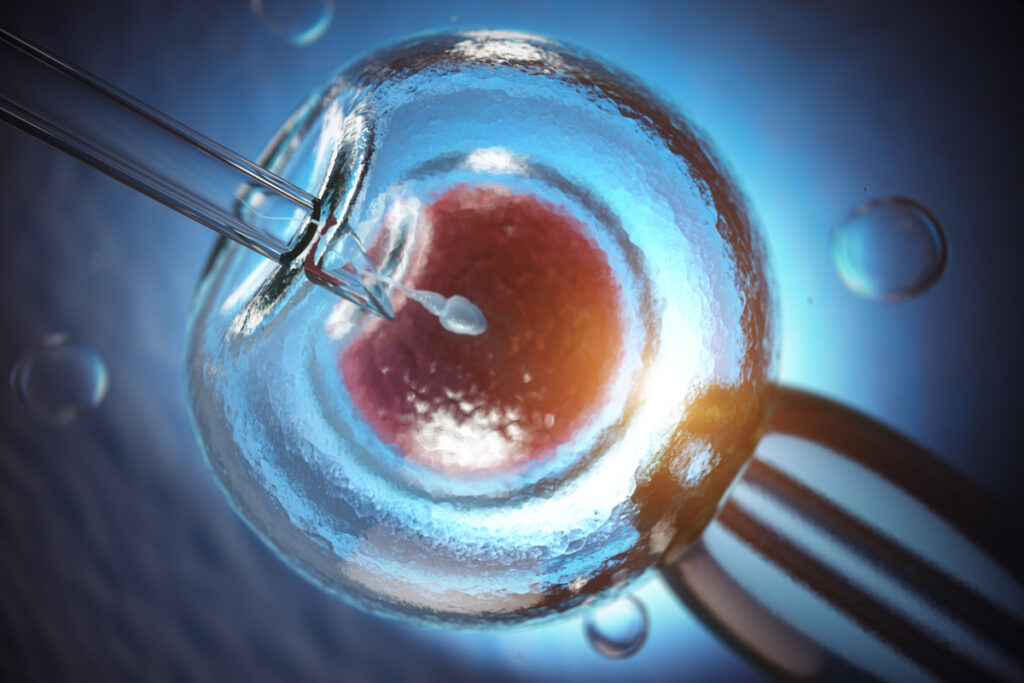
ICSI is performed on all mature (MII) eggs retrieved from the female partner using the processed surgical sperm. A single, viable sperm — even an immotile testicular sperm — is injected directly into each egg using the ultra-fine micropipette. Read the full explanation of how ICSI works: ICSI Treatment Guide.

Day 1

Fertilisation Confirmation

16–18 hours after ICSI, fertilisation is confirmed by the appearance of two pronuclei (2PN) in the injected eggs. The fertilisation rate with surgical sperm in OA cases typically runs at 65–75% — comparable to ejaculated sperm. In NOA cases, the rate may be slightly lower depending on sperm quality.

Days 1–5

Blastocyst Culture

Fertilised embryos are cultured to blastocyst stage (Day 5–6) in our advanced incubators. Read more about Blastocyst Culture and why Day-5 transfer significantly improves implantation rates. In cycles with multiple high-quality blastocysts, PGT-A (Preimplantation Genetic Testing) may be recommended to identify chromosomally normal embryos for transfer.

Day 5 / 6

Embryo Transfer or Freeze-All

The best quality blastocyst is transferred into the female partner’s uterus in a fresh cycle — or all embryos are vitrified for a Frozen Embryo Transfer (FET) cycle if a freeze-all strategy is clinically indicated. Any surplus surgical sperm cryopreserved from the PESA/TESE is also stored for potential future cycles.

Cryopreservation of Surplus Surgical Sperm

This step is critically important for couples who may need future cycles. Any viable sperm retrieved in excess of what is used for the current ICSI cycle is immediately cryopreserved using the vitrification technique. This eliminates the need for a repeat PESA/TESE procedure for future IVF cycles — avoiding unnecessary surgical procedures and ensuring a reserve is always available.

TESE & PESA Success Rates — Honest, Evidence-Based Expectations

Success rates for surgical sperm retrieval must be reported in two layers: sperm retrieval success (finding viable sperm) and pregnancy success (live birth from ICSI with retrieved sperm). Both layers matter, and both depend critically on the type of azoospermia and individual clinical factors.
Patient ProfileSperm Retrieval RateICSI Fertilisation RateLive Birth Rate (per transfer)Key Factor
Obstructive Azoospermia (OA) — Post-vasectomy PESA90–95%65–75% of eggs fertilised45–65% (female age < 35)Duration since vasectomy matters — longer interval may reduce epididymal sperm quality
OA — CBAVD (Congenital Vas Deferens Absence)90–95%65–75%45–65% (female age < 35)Female partner’s CFTR carrier status must be checked before proceeding
OA — Post-infection Epididymal Blockage85–95%60–75%40–60% (female age dependent)Degree of epididymal damage affects sperm quality
NOA — Micro-TESE, AZFc deletion40–60%50–65% (if sperm found)30–50% (female age dependent)AZFc deletions may still allow retrieval; AZFa / AZFb deletions have near-zero retrieval prognosis
NOA — Klinefelter Syndrome (47,XXY) — Micro-TESE40–55%50–65% (if sperm found)30–45% per transferPGT-A strongly recommended because embryo aneuploidy risk is higher
NOA — Idiopathic, Cryptorchidism — Micro-TESE35–55%50–65% (if sperm found)30–50% per transferTesticular volume and FSH level are major prognostic indicators
NOA — Previous Chemotherapy / Radiation20–45%50–65% (if sperm found)VariableRecovery of spermatogenesis is time-dependent; evaluation is often delayed 18–24 months after treatment

What Happens If No Sperm Is Found (TESE Negative)?

In approximately 40–60% of non-obstructive azoospermia cases, even micro-TESE does not retrieve viable sperm. This is one of the most difficult outcomes in fertility medicine — and at Wellspring, Dr. Pranay Shah discusses this possibility honestly before any procedure is performed.

If a micro-TESE is unsuccessful, the options discussed at follow-up consultation include:

  • Repeat micro-TESE: In selected cases, a second attempt 12–18 months later finds sperm in 10–20% of initially unsuccessful cases.
  • Hormonal stimulation pre-TESE: FSH/hCG stimulation for 3–6 months before a repeat micro-TESE may improve spermatogenesis in some NOA patients.
  • Donor sperm IVF: If further retrieval attempts are not desired or are unsuccessful, donor sperm IUI or IVF through a registered ART Bank is a legally compliant pathway to parenthood.
  • Adoption: A pathway Dr. Shah discusses with compassion and without judgment.

Genetic Counselling: For all NOA patients — particularly those with Klinefelter syndrome or Y-chromosome microdeletions — genetic counselling is coordinated to discuss implications for male offspring.

Your Fertility Consultant

Our fertility specialists are committed to providing personalized, compassionate care with
the latest reproductive medicine techniques.

Dr. Pranay Shah fertility specialist and Best IVF doctor in Ahmedabad at Wellspring IVF & Women’s Hospital in professional formal portrait

Dr. Pranay Shah

Director & Chief Fertility Consultant
Divyesh Bhalodia Senior Embryologist at Wellspring IVF & Women’s Hospital Ahmedabad with more than 15 years of experience in IVF laboratory and embryo culture

Divyesh Bhalodia

Senior Embryologist
Urmi Chauhan embryologist at Wellspring IVF & Women’s Hospital Ahmedabad specializing in IVF laboratory and embryo culture procedures

Urmi Chauhan

Clinical Embryologist
Book Consultation

Preparing for Your PESA or TESE Procedure — What to Expect

Knowing exactly what to expect before, during, and after the procedure significantly reduces anxiety. Here is a complete preparation guide for both techniques.

Before the Procedure (1–7 Days Prior)

  • Complete all blood tests: CBC, coagulation profile, blood group, HIV/HBsAg/HCV serology (mandatory for ART procedures), hormonal panel.
  • Stop blood-thinning medications: Aspirin, NSAIDs (ibuprofen, naproxen), warfarin — at least 5–7 days before. Discuss with Dr. Shah.
  • crotal support: Purchase a supportive scrotal underwear for post-procedure use.
  • Fasting: If general/spinal anaesthesia is planned — fasting from midnight the night before.
  • Arrange transport: You should not drive yourself home after the procedure (especially if sedation is used).
  • Antibiotics: A short prophylactic antibiotic course is often prescribed 1–2 days before the procedure.

After the Procedure (Recovery)

  • Ice pack: Apply to the scrotum (wrapped in cloth — not directly) in 15-minute intervals for the first 24 hours to reduce swelling.
  • Scrotal support: Wear supportive underwear continuously for 5–7 days.
  • Pain management: Mild discomfort managed with oral paracetamol. Ibuprofen should be avoided — it can increase bleeding risk.
  • Activity restriction: Avoid heavy lifting, vigorous exercise, and sexual activity for 1 week (PESA) or 2 weeks (TESE).
  • Bathing: Keep the area dry for 24–48 hours. Gentle bathing permitted after that. Avoid swimming for 10–14 days.
  • When to call us: Fever >38°C, increasing pain after day 2, significant scrotal swelling or bruising — call 9099946050 immediately.

Frequently Asked Questions

Common questions about azoospermia, retrieval success, recovery, and why ICSI is required after TESE or PESA.
Ask a Question

Related Conditions & Treatments

Not sure which treatment path is right for you? Book a free consultation with Dr. Pranay Shah to discuss your specific diagnosis, test results, and personalised treatment options — whether IUI, IVF, or further investigation.

Related Insights & Articles

No Sperm in the Ejaculate Is Not the End of the Story.

TESE & PESA have made biological fatherhood possible for thousands of men. Dr. Pranay Shah will evaluate your hormonal, genetic, and clinical profile and give you an honest prognosis before any procedure is planned.