
Foods to Avoid After Embryo Transfer: Complete IVF Diet Guide
Direct Answer
After embryo transfer, women should avoid raw or undercooked foods, high-mercury fish, excessive caffeine, alcohol, unpasteurized dairy products, processed junk foods, and potentially contaminated foods that may increase infection risk. While no specific food can guarantee implantation, a balanced, nutrient-rich diet supports overall reproductive health and creates a healthier environment for early pregnancy development.
Key Facts Table
| Topic | Recommendation |
|---|---|
| Alcohol | Avoid |
| Smoking | Avoid |
| Excess Caffeine | Avoid |
| Raw Seafood | Avoid |
| High Mercury Fish | Avoid |
| Unpasteurized Dairy | Avoid |
| Junk Food | Limit |
| Hydration | Encourage |
| Fresh Fruits & Vegetables | Encourage |
| Balanced Diet | Recommended |
Introduction
One of the most common questions IVF patients ask after embryo transfer is:
“Doctor, what should I eat and what should I avoid?”
The period after embryo transfer is emotionally important because patients know that implantation may occur within the coming days.
Many women worry that eating the wrong food could:
- Prevent implantation
- Reduce IVF success
- Harm the embryo
- Cause treatment failure
Fortunately, the reality is more reassuring.
There is no magical fertility food that guarantees implantation.
Likewise, most everyday foods do not suddenly cause embryo transfer failure.
However, certain foods should be avoided because they may:
- Increase infection risk
- Affect pregnancy health
- Contribute to inflammation
- Interfere with overall reproductive wellness
At Wellspring IVF & Women’s Hospital, Ahmedabad, we encourage evidence-based nutritional guidance rather than restrictive or fear-based dieting.
Why This Matters for Fertility
Following embryo transfer, the embryo begins a complex implantation process.
Successful implantation depends primarily on:
- Embryo quality
- Endometrial receptivity
- Hormonal support
- Overall reproductive health
Nutrition cannot force implantation.
However, healthy dietary habits help support:
- Maternal health
- Hormonal balance
- Blood sugar regulation
- Early pregnancy development
This is why fertility nutrition remains an important part of IVF care.
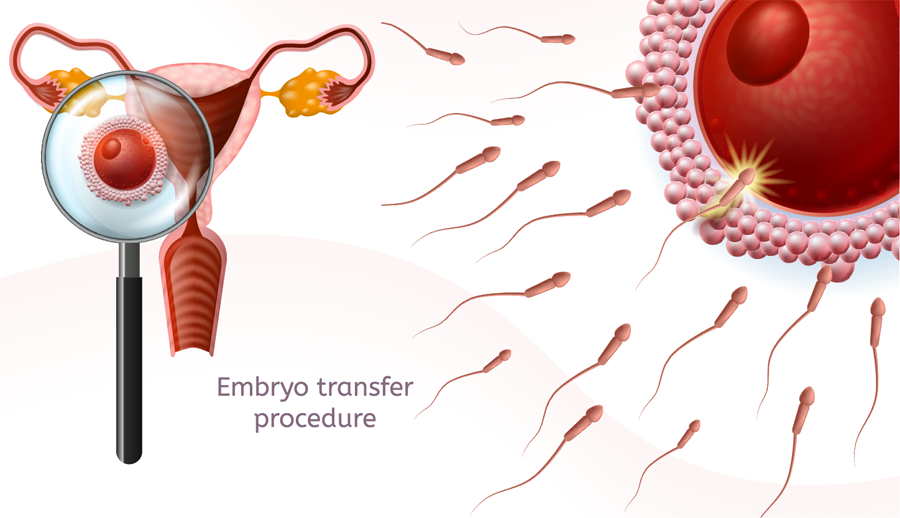
What Happens After Embryo Transfer?
Following embryo transfer:
Day 1–2
The embryo continues development inside the uterus.
Day 3–5
The embryo begins interacting with the endometrial lining.
Day 5–7
Implantation may occur.
Day 7–14
Pregnancy hormones begin rising if implantation succeeds.
Because the embryo is establishing early pregnancy, dietary safety becomes important.
Scientific Evidence About Diet After Embryo Transfer
Current scientific evidence shows:
- No single food guarantees implantation.
- No specific fertility superfood guarantees pregnancy.
- Healthy dietary patterns support reproductive health.
- Avoiding food-borne illness is important.
- Balanced nutrition is preferable to restrictive diets.
Research increasingly supports overall dietary quality rather than individual fertility foods.
Foods To Avoid After Embryo Transfer
Raw Seafood
Avoid:
- Sushi containing raw fish
- Oysters
- Raw shellfish
- Raw seafood preparations
Raw seafood may carry harmful bacteria or parasites.
Undercooked Meat
Avoid:
- Rare meat
- Undercooked chicken
- Raw meat dishes
Proper cooking reduces infection risk.
Raw Eggs
Avoid foods containing:
- Raw egg mixtures
- Homemade mayonnaise
- Uncooked desserts containing eggs
These may increase the risk of food-borne illness.
Unpasteurized Dairy Products
Avoid:
- Unpasteurized milk
- Certain soft cheeses made from unpasteurized milk
Pasteurized dairy products are generally safe.
High-Mercury Fish
Limit or avoid:
- Shark
- Swordfish
- King mackerel
- Tilefish
Excess mercury exposure is not recommended during pregnancy.
Alcohol
Alcohol should be avoided after embryo transfer.
Because implantation may occur before pregnancy testing, avoiding alcohol is considered the safest approach.
Smoking
Smoking negatively affects:
- Fertility
- Implantation
- Pregnancy outcomes
Smoking cessation should be strongly encouraged.
Excessive Caffeine
Moderate caffeine is generally acceptable.
However, excessive intake should be avoided.
Highly Processed Junk Foods
Regular consumption of:
- Fast food
- Sugary beverages
- Highly processed snacks
may contribute to poor metabolic health.
Foods That Support Overall Fertility Health
Although no food guarantees implantation, healthy dietary choices remain beneficial.
Fruits and Vegetables
Provide:
- Antioxidants
- Vitamins
- Minerals
Lean Proteins
Examples include:
- Fish with low mercury content
- Chicken
- Lentils
- Beans
Whole Grains
Support stable blood sugar regulation.
Healthy Fats
Examples include:
- Nuts
- Seeds
- Olive oil
- Avocados
Adequate Hydration
Maintaining hydration supports overall health.
For a comprehensive fertility nutrition guide, see our Fertility Diet for IVF and Egg Quality.
Nutrition Mechanisms That Influence Fertility
Nutrition affects fertility through several biological pathways.
Inflammation Regulation
Healthy dietary patterns may help reduce chronic inflammation.
Blood Sugar Control
Stable glucose regulation supports hormonal balance.
Oxidative Stress Reduction
Antioxidant-rich foods support cellular health.
Hormonal Function
Proper nutrition contributes to reproductive hormone production.
Early Pregnancy Support
Nutrient intake supports embryo development after implantation.
Who Benefits Most From Post-Transfer Nutrition?
IVF Patients
Women undergoing:
IVF Treatment benefit from healthy dietary habits.
Women With PCOS
Patients with:
PCOS Treatment Options often benefit from improved metabolic health.
Women With Recurrent IVF Failure
Optimizing overall health remains important.
Women Preparing for Pregnancy
Early pregnancy nutrition begins before pregnancy confirmation.
Who Should Avoid Restrictive Fertility Diets?
Extreme dietary restrictions are generally not recommended.
Avoid:
Detox Diets
No evidence supports detox programs for implantation.
Starvation Diets
Severe calorie restriction may negatively affect health.
Internet Fertility Fads
Many online recommendations lack scientific support.
Excessive Supplement Use
Supplements should be individualized and evidence-based.
Practical Recommendations After Embryo Transfer
The goal after embryo transfer is not to follow a perfect diet. The goal is to maintain a healthy, balanced, and sustainable eating pattern that supports overall reproductive health.
Eat Regular Balanced Meals
Include:
- Lean protein
- Whole grains
- Vegetables
- Fruits
- Healthy fats
Stay Hydrated
Adequate hydration supports:
- Blood circulation
- Digestion
- General well-being
Continue Prenatal Vitamins
Follow your fertility specialist’s recommendations regarding:
- Folic acid
- Prenatal vitamins
- Prescribed supplements
Maintain Stable Blood Sugar
Avoid excessive intake of:
- Sugary drinks
- Sweets
- Highly processed foods
Follow Medication Instructions Carefully
Continue:
- Progesterone support
- IVF medications
- Other prescribed treatments
exactly as advised.
Common Mistakes After Embryo Transfer
Obsessing Over Every Food Choice
Many patients believe one meal can determine IVF success.
This is not supported by scientific evidence.
Following Social Media Fertility Diets
Online fertility advice often includes:
- Unsupported claims
- Restrictive eating plans
- Expensive supplements
Eliminating Entire Food Groups
Unnecessary dietary restrictions may create nutritional deficiencies.
Stopping Prescribed Medications
Medication adherence is far more important than most dietary myths.
Believing Certain Foods Can Force Implantation
No food can guarantee:
- Implantation
- Pregnancy
- IVF success
Excessive Supplement Use
Taking multiple fertility supplements without medical guidance may be unnecessary.
Research Summary
Current fertility research supports several important conclusions:
Overall Diet Quality Matters More Than Individual Foods
Healthy dietary patterns appear more important than specific fertility foods.
Mediterranean-Style Diets Show Promise
Research suggests that diets rich in:
- Vegetables
- Fruits
- Fish
- Whole grains
- Healthy fats
may support reproductive health.
Food Safety Is Important
Preventing food-borne illness is especially important during early pregnancy.
Obesity and Metabolic Health Affect Fertility
Maintaining a healthy weight supports:
- Fertility
- IVF outcomes
- Pregnancy health
Nutrition Supports Overall Reproductive Function
Diet alone cannot overcome major fertility conditions, but it contributes to overall reproductive wellness.
Clinical Insight From Dr. Pranay Shah
One of the most common misconceptions I encounter after embryo transfer is the belief that implantation depends on a specific food, fruit, supplement, or home remedy.
Patients frequently ask whether eating pineapple, pomegranate, saffron milk, or certain fertility foods will improve implantation.
The scientific reality is much simpler.
Embryo implantation depends primarily on:
- Embryo quality
- Endometrial receptivity
- Hormonal support
- Overall reproductive health
A healthy diet supports the body, but no single food can force implantation to occur.
My advice is to focus on balanced nutrition, hydration, medication compliance, and emotional well-being rather than restrictive food rules.
Patients seeking individualized fertility guidance can learn more about Dr. Pranay Shah and fertility services in Ahmedabad.
Frequently Asked Questions
What foods should be avoided after embryo transfer?
Raw seafood, undercooked meat, unpasteurized dairy, alcohol, and excessive caffeine should generally be avoided.
Can spicy food affect implantation?
There is no strong evidence that moderate spicy food affects implantation.
Is pineapple necessary after embryo transfer?
No. Pineapple is not required for successful implantation.
Can coffee be consumed after embryo transfer?
Moderate caffeine intake is generally acceptable, but excessive consumption should be avoided.
Should I avoid cold foods after embryo transfer?
There is no scientific evidence supporting this recommendation.
Can alcohol affect IVF outcomes?
Alcohol is generally discouraged after embryo transfer.
Is a vegetarian diet acceptable after embryo transfer?
Yes, provided nutritional requirements are met.
Can junk food cause implantation failure?
Occasional consumption is unlikely to determine outcomes, but a healthier dietary pattern is preferred.
Should I drink more water after embryo transfer?
Adequate hydration is recommended.
Can supplements improve implantation?
Only prescribed or evidence-based supplements should be used.
Is fasting recommended after embryo transfer?
Routine fasting is generally not recommended unless medically advised.
Where can I learn more about fertility nutrition?
Visit our Fertility Diet for IVF and Egg Quality, explore our Fertility Videos, and browse our Blog Centre.
Key Takeaways
- No food can guarantee embryo implantation.
- Balanced nutrition supports overall reproductive health.
- Avoid raw seafood, undercooked meat, alcohol, and unpasteurized dairy products.
- Moderate caffeine intake is generally acceptable.
- Hydration is important.
- Medication adherence remains critical after embryo transfer.
- Healthy dietary patterns are more important than individual fertility foods.
- Avoid extreme diets and unproven internet fertility advice.
- Food safety becomes especially important after embryo transfer.
- Focus on overall wellness rather than dietary perfection.
Conclusion
The period after embryo transfer is understandably emotional, and many patients search for dietary strategies that might improve implantation success. While nutrition plays an important role in overall reproductive health, current scientific evidence does not support the idea that specific foods can guarantee pregnancy or implantation.
Instead, the most effective approach is maintaining a balanced diet, staying hydrated, avoiding foods that increase infection risk, and following all medical recommendations carefully. Combined with good overall health and expert fertility care, evidence-based nutrition can help support the journey toward a healthy pregnancy.
For additional fertility education, explore IVF Treatment , learn about Blastocyst Culture of Embryos, review our Fertility Diet for IVF and Egg Quality, visit our Fertility Videos, and browse our Blog Centre.
About Dr. Pranay Shah
Dr. Pranay Shah is the Director and Chief Fertility Consultant at Wellspring IVF & Women’s Hospital, Ahmedabad. With more than 15 years of experience and over 6000 IVF success stories, he specializes in IVF, fertility nutrition counseling, recurrent IVF failure, low AMH management, reproductive endocrinology, and advanced fertility treatment.
Medical Disclaimer
This article is intended for educational and informational purposes only and should not be considered medical advice, diagnosis, or treatment. Nutritional recommendations may vary based on individual medical conditions, fertility treatments, and pregnancy status. Please consult a qualified fertility specialist for personalized dietary and treatment guidance.